Challenge of our times recognised - Encyclical on the environment
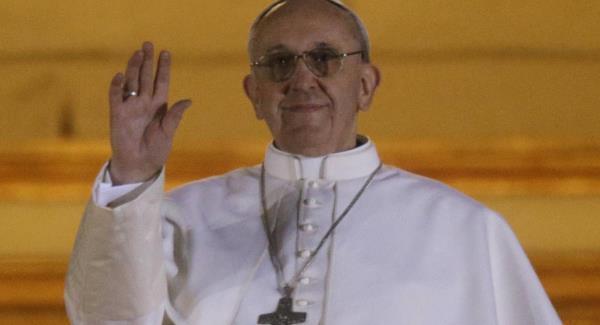
BEING called a sinner, even by a sitting Pope, may not have the dissuading impact it once had but leaked extracts from Pope Francis’s encyclical on the destruction of our planet, which is to be officially published tomorrow, are so radical, so challenging and so very difficult to ignore that it is hard to remember that the Pope’s office is one of the enduring pillars of the Western establishment.
The Pope’s analysis is profoundly inspiring and uplifting too; it is as if the scale of our challenge has at last been recognised by a world leader proportionate to the crisis, a leader capable of framing the issues in a way that cannot, or at least should not, be ignored any longer.
That he does not have to answer to an electorate may have freed him in ways other leaders have not been and allowed him to be so direct — but that may be too generous to too many political leaders who shirked the obvious and took refuge in populist prevarication and deferral. In any event that behaviour which Francis describes as sin has been accepted as the gravest and deepest folly by environmentalists and conservationsists — and even some red-in-tooth-and-claw capitalists and industrialists — for decades.
That realisation has been forced on subsistence farmers — and some heavily industrialised ones too — around the world as their land has either been eroded by rising seas or turned to barren dust by persistent drought. Those are just two examples of how climate change affects humans, the impact on the rest of the world’s inhabitants has been far greater and in far too many cases final.
Describing environmental destruction is not the issue however. Recognising its impact, especially on the poorest people in the world, and changing our often destructive and unsustainable practices is the real 11th-hour obligation facing us all. The huge task involved must be measured in lifetimes and it just may be that the great scale of the challenge, the almost immovable forces — human and otherwise — involved, have meant that we turn away from small, seemingly insignificant measures a relative insignificant island like ours can take. If Francis’s passionate encyclical, more an entreaty than an a position paper, is to mean anything that evasion shaped by fear and lip service is hardly acceptable any longer.
The encyclical Laudato Si is an almost unprecedented challenge underpinned by an unflinching rebuke about how we live and how those lifestyles diminish the fertility and sustainability of the world around us. But most of all the encyclical challenges the conservative and self-serving forces shaping most Western societies in a way that could not have been anticipated, especially from the Vatican.
Tomorrow Pope Francis will call for lifestyle changes and a meaningful reduction in energy consumption to avert the “unprecedented destruction of the ecosystem” before the end of this century. The pontiff will also warn that failure to act would have “grave consequences for all of us”.
The Pope focuses on those obstructing initiatives needed to confront our recklessness. In a forceful reference to climate change deniers, the draft states: “The attitudes that stand in the way of a solution, even among believers, range from negation of the problem, to indifference, to convenient resignation or blind faith in technical solutions.” That some of those who wish to represent America’s Republican Party in next year’s presidential election are among the climate change flat-earthers — Rick Santorum is one — is an indication of the great difficulties involved. In an Irish context, the problems are obvious enough though the will to tackle them is not.
Yesterday’s intervention by the Environment Minister instructing Dublin local authorities not to impose building standards that might delay new houses is just one example of our kick-the-can-down-the-road culture of denial. The consequences of Food Harvest 2020 — on land and at sea — are others but our addiction to imported fossil fuels — almost 90% of our energy needs — is probably the greatest challenge facing us. Of course we can do what we have always done and pay lip service to the greatest challenge facing our world and our democracies but hopefully Laudato Si — Praised Be — will help create a realism around the urgent challenges facing us all. Any other response would be a form of suicide.
CONNECT WITH US TODAY



Be the first to know the latest news and updates