Amnesia an affront to victims of terrorism
BECAUSE of the cyclical nature of power in a democracy, the past is a far more active player in our present than we might always imagine or accept.

Amnesia an affront to victims of terrorism

Because of that it seems wise to try to strike a good balance between remembering, forgetting and, when it is necessary, forgiving. It is always good, or nearly always, to turn a sword into a ploughshare but it would be foolish to forget who wielded the sword and why.

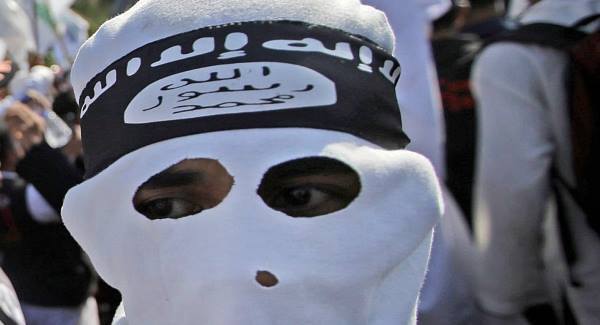
As you read this the barbarians of the Islamic State are probably razing the world heritage site at Palmyra, the ancient Roman city they have captured. If that indefensible destruction has not begun, it is because Islamic State have not finished murdering the local population, a summary slaughter of local men whose blood has already drenched the city’s streets. That Syria’s elite forces were unable, or unwilling, to hold the city suggests the grimmest future for the forlorn people of that blighted region.

Islamic State wish to destroy Palmyra as it symbolises a world that challenges their medieval belief system — as if destroying relics destroys an idea. Levelling the ancient city may change the landscape but it does not change the truth.

That reality must be faced too by Greek government negotiators trying to convince the IMF or the ECB that Germany still owes their almost bankrupt country war reparations. It may even be true and probably resonates with the beggared Greeks just as burn-the-bondholders grandstanding appealed to some Irish people but it will not change the immediate predicament of a society paying a very heavy price for decades of self-delusion and very poor public administration.

Trying to understand how the past moulds our world is especially important during this decade of centenaries. We can be like Islamic State and dream about some sort of impossible caliphate — or a united Ireland? — or we can try to reach an understanding that is honest and informed.

Just this week there was a brief but significant encounter in the endless redefinition of our history when Prince Charles and Gerry Adams shook hands in Galway.

For Charles it meant stepping over the memory of a dear and murdered great uncle and mentor — Lord Louis Mountbatten — and for Gerry Adams, the political leader of those who set the August 1979 murder bomb, it meant another step in his party’s long war for legitimacy. Charles must have remembered, too, the others killed at Mullaghmore and the 18 British soldiers ambushed and murdered by the IRA the same day at Warrenpoint. Mr Adams will describe those atrocities as acts of war, a delusion he and his supporters maintain, despite the fact that their terror campaign had no democratic or moral mandate. Nevertheless, he and his colleagues will persist in redrawing our past as so many of tomorrow’s voters have no memory of Provo terror campaigns.

We have said many times that peace is a prize beyond compare and we have acknowledged Sinn Féin’s part in that peace making. It would be an affront to all of those murdered, though, to forget who killed them and why. It is important to recognise that selective or contrived amnesia is as great an enemy to peace and stability as any other form of delusion.

x

More in this section

Revoiced

Newsletter

Sign up to the best reads of the week from irishexaminer.com selected just for you.

Cookie Policy Privacy Policy Brand Safety FAQ Help Contact Us Terms and Conditions

© Examiner Echo Group Limited