Attack will not change our beliefs - The right to free speech
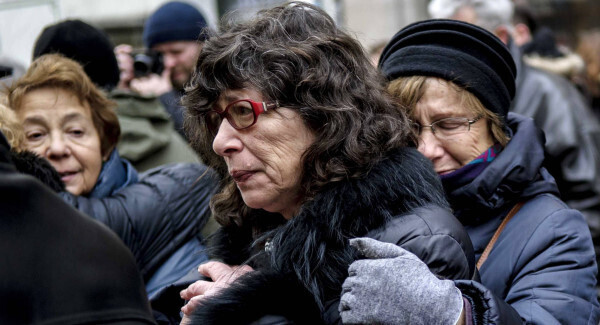
The widespread determination that a cherished principle, one recognised as a cornerstone of tolerance and democracy, should be protected and celebrated was expressed with conviction right across Europe. That this core principle brought, potentially at least, the West’s culture in immediate conflict with the black-or-white world of Islamic fundamentalism was an unfortunate and unintended consequence.
Four days after the massacre around 2m people, including more than 40 world leaders, marched through Paris in an almost unprecedented display of solidarity. There were similar rallies right across Europe. The suicide terrorists Saïd and Chérif Kouachi — names forgotten by millions already — had provoked an almost unknown unity among disparate societies and individuals. The post-massacre edition of Charlie Hebdo became the battle standard for an unquestionable and fashionable cause célèbre.
Even though little more than a month has passed since that outrage, the conversation around the right to free speech has become more nuanced, more reflective, and more realistic. It has recognised that every great privilege, such as parenthood say, has corresponding responsibilities. Though opinions vary, the difference between having the licence to say what you might wish to say and having the latitude to do so is now more widely recognised and accepted. Common sense has leavened the absolute right to exercise an absolute right.
Just as some of those who wished to share certain opinions and details with our banking inquiry discovered, you cannot always speak your mind, even in a society that endorses the idea of free speech. Just last week, there was another opportunity — the shotgun murder at a Fermanagh wedding? — for unfettered commentary but, by and large, that opportunity was ignored. The debate, though it has yet to reach a climax, around same-sex marriages has not been as hateful as earlier debates on contraception or divorce. This, thankfully, suggests a strengthening pluralism but it also reflects the effectiveness of the newly established social constraints that prevent the most vitriolic personal attacks on those who choose to march to the beat of a different drum.
The weekend’s shootings in Copenhagen, when one person was killed and a synagogue was attacked by a man later killed by police is the latest instalment in the debate in which two cultures seem set to continue a long, difficult and bloody inability to live together. Though the Copenhagen terrorist was described as a lone wolf, in the greater scheme of things he will be seen as a wrong-headed representative of a minority in a culture that seems unable or unwilling to recognise that enjoying the benefits of free and democratic society has, like parenthood, unavoidable responsibilities. How those responsibilities are put at the centre of the lives of all who live in Europe is one of the great challenges of our time — as is the refutation of the resurgence of the evil of anti-semitism.

CONNECT WITH US TODAY



Be the first to know the latest news and updates