Rights work in both directions - Land usage and farmers’ right
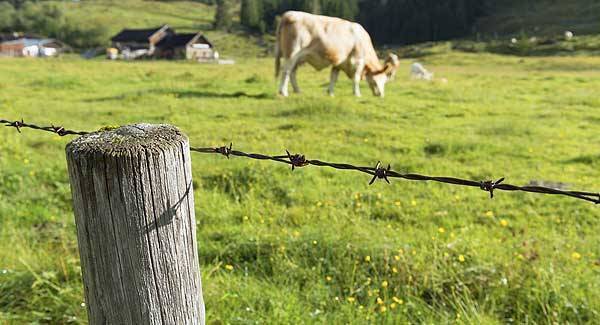
Landowners rightly expect to be able to make a living from their asset — if it is independently viable — and control access to their property.
Others, the urban-based majority — more than half of the population of Ireland now live in Leinster — expect to be allowed controlled, responsible access to parts of our countryside. They also expect that our laws be strong enough to protect important habitats and species and that these laws are enforced. They also expect, in the small number of cases where they are unfortunately still necessary, that effective sanctions be imposed.
Access to countryside walks has long been a fraught issue and is likely to become even more so as the potential for walking tourism becomes ever more apparent. In some well-publicised instances, stonewalling individuals have been able to stymie agreements made by landowners, their representatives, Government, and those who wish to enjoy the countryside in a responsible, respectful way. In all but the most exceptional cases, money is at the root of these disagreements and it is dishonest to pretend otherwise.
Unwelcoming landowners are not the only problem. Those starry-eyed idealists who demand unfettered right-to-roam access to every bog and hilltop seem as out of touch with reality as the farm organisations who insist farm subsidies paid by urban workers — 40% of the EU’s budget — can have no bearing on the debate. Surely, if farmers can use what they describe as their right to make a living from their land — their property — to demand certain privileges to allow them to do so, then those who subsidise that property through taxation can demand certain privileges too. That such an argument would cause something approaching apoplexy among farmers, the great majority of whom already tolerate, if not welcome, considerate visitors to their land, shows how far we have to go to resolve this issue.
One of the latest manifestations of the conflict over land usage is the designation of land for the protection of the hen harrier, an iconic raptor enjoying our new-found enthusiasm for reintroducing species to areas where they once thrived. Just as happened with the programme to protect corncrakes along the Shannon callows, when landowners were paid to manage the land in a way that supported the migratory bird, farmers in areas designated for hen harriers want to be compensated for lost income and the impact the designation has on land values. This seems a reasonable position, but it cannot be seen in isolation and it opens, again, the question of what a landowner can and cannot do to generate an income in our countryside. But, most of all, it puts the force afforded to property rights in a challenging perspective when the only real value so many small holdings have is as an entity to attract subsidies. This is by far the bigger question and one that will have to be confronted sooner or later.


CONNECT WITH US TODAY



Be the first to know the latest news and updates