Ginkgo has to be a goer
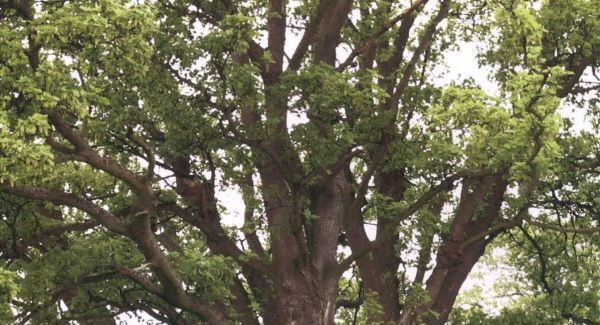
The tree was not very impressive. A circular hole cut in the lawn with a twig, maybe 60 centimetres long, sticking out of the middle of it. I was glad to see that the labels from the tree nursery had been removed. I think there’s nothing more naff than planting something and leaving those laminated labels on elastic twines on it. But this did leave me, a so-called tree expert, with a bit of a problem. What is it? I said, pointing at the twig. A ginkgo, she beamed.
What a great choice. One of the most interesting and beautiful tree species in the world. I suggested we move back in out of the cold to discuss her new tree over a glass of wine.
Ginkgos are truly living fossils. 125 million years ago trees like this, dozens of species of them, were growing all over the northern hemisphere. What my friend had planted was the sole remnant of this great tribe which once dominated the Earth. Today it survives in the wild in small numbers in hills in the lower Yangtse Valley and is classed as endangered. However, as a cultivated tree it is far from rare.
This is because it has always been venerated by various sects of Buddhism and Taoism and was frequently planted as a temple tree. Gardening is an integral part of worship in both religions. The ginkgo was first seen by a European in 1690 when the German botanist Englebert Kaempfer encountered it in Japan. Some time afterwards a plant was established in Utrecht and afterwards in various other European botanic gardens. The tree is not native to Japan but was imported at an early date and there are some specimens there which are over 1,000 years old.
Today ginkgos are widely available in Irish garden centres and, apart from their amazing pedigree, there are several reasons to plant them. They tend to form a tree with evenly stratified branches, the bark is attractive and the oddly-shaped bi-lobate leaves turn an attractive shade of yellow in autumn. They also produce flowers and fruits, which contain an edible nut, but this requires both female and male trees and female trees are rare in Ireland. Anyway, flowering and fruiting seldom occurs this far north.
They can grow to be large and magnificent. I have seen some amazing ones in mainland Europe, where they have been established for a rather longer time, but I don’t know of any truly impressive specimens in this country. It takes centuries for this to happen so as a short- to medium-term choice for a small garden the ginkgo has to be high on the list.
CONNECT WITH US TODAY



Be the first to know the latest news and updates