Goldfinches shine in my garden
The field had been grazed by sheep in the winter and then left to grow a late crop of haylage. But its owner is a part time farmer, like the owners of so many fields in rural Ireland today, and he’s been busy with other things. The mowing was now rather overdue.
One result was a fine show of grassland wildflowers, many of them now going to seed. A couple of weeks ago it was purple with common knapweed, and there still are a few plants in flower. But most of the purple has now been replaced by the black of the seed heads. Suddenly a flock of small birds descended on the field. They disappeared into the long vegetation but kept reappearing, making short, restless flights and then settling again. I know some good ornithologists who can take one look at a flock of birds and tell you with uncanny accuracy how many individuals it contains. It’s a skill I’ve never mastered but I guessed there were at least a hundred birds in the flock.
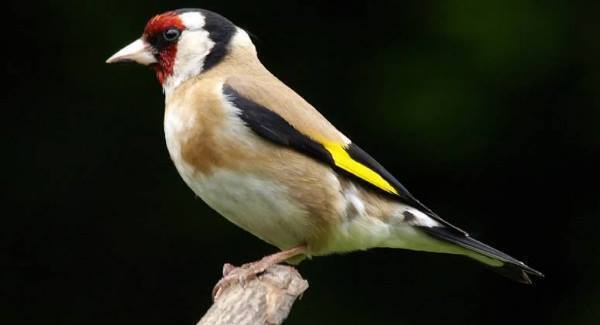
They were also a couple of hundred metres away, which was too far for me to identify the species. At that range they just looked like the classic “little brown jobs”. But there was a powerful pair of zoom binoculars on the window sill and eventually I managed to focus on a group of the birds, zoom in and control the handshake. Goldfinches.
They are the bird world’s experts on eating flower seeds. They can tackle some seed heads that defeat all other species, difficult plants like teasel, burdock and thistles. And they just love knapweed. They have long, spreading toes to help them balance on tall stems that are swaying in the wind and an anvil shaped beak designed to prize the nutritious seeds out of the prickly spikes of the seed head. The male has a longer and larger beak than the female —- it’s only a millimetre longer, but that’s quite a difference in such a small bird. There is some evidence that the two sexes specialise in the seed heads of different plant species. There is also evidence that far more females than males migrate southwards in winter and this may be because the females are not as competent with the more difficult seed heads. This was an unusually large flock. The maximum size is usually about 40 birds. And the bad news is that when they form flocks it’s a sign that summer is over and autumn has arrived. But they made a good decision to visit the meadow for a seed feast because the next day the mower turned up and the knapweed was felled.
Three species of earwig are found in Ireland but identifying them is a specialist business. Two of them are very rare — one of them has only been recorded from the Waterford coast and the other is only found in moist, warm dung heaps. An earwig spotted anywhere else is the common European earwig. They are unpopular insects with most people. The name derives from Old English and means ear insect or ear beetle. There is a myth that they enter the ears of people while asleep and burrow into their brains to lay eggs. Although it’s a myth, earwigs are nocturnal and during the day like to sleep in warm crevices and may occasionally mistake a human ear for such a crevice. The pincers on the rear end don’t add to their popularity. Their precise function is unclear, although they’re probably used for folding up the wings (yes, earwigs have wings and can fly, though they seldom do so). They are certainly never used to pinch people.

CONNECT WITH US TODAY



Be the first to know the latest news and updates