Fitzgerald lacks empathy on asylum
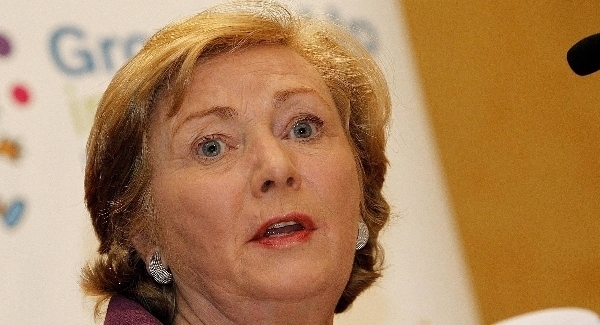
Fitzgerald shows an unwillingness to address any of the key issues of asylum, such as the ignorance and venality of those sitting in judgement over asylum seekers. Fitzgerald’s suggestion that “there would also be significant issues in allowing illegal immigrants access to the labour market, in the context of the very large number of people unemployed in the State,” displays a lack of understanding of both asylum (according to the UN Refugee Convention, to which Ireland is bound, people seeking asylum should not be treated as “illegal”), and commerce, while continuing to ensure the marginalisation of the asylum-seeking community.
Her stance is based on the erroneous assumption that people seeking asylum can only be viewed as burdens in a constricting labour force, while ignoring the positive skill base and entrepreneurial potential lost to Ireland through prohibition of their employment.
In her preparedness to trade human rights for a flawed economic justification, Fitzgerald is following her predecessor, Alan Shatter, who adopted the position of a commissioned ‘value for money’ analysis, declaring that “there are no cheaper alternatives to the direct provision system”.
But probably the most telling, and bizarre, thing about her statement is she implies the systemic problems and delays are not the fault of the State, but are the fault of the asylum seekers: “… in very many instances, the delay in finalising cases is due to applicants challenging negative decisions by initiating multiple judicial reviews at various stages of the process. Thousands of applications cannot be finalised because of these legal challenges”. Given Ireland’s very low levels of positive initial decisions on applications for asylum, are we to seriously expect that such decisions should not be questioned by those seeking protection, and by us as Irish citizens?
It would seem, from Fitzgerald’s statements, that the degradation that is life in direct provision, and the refusal of the right to work, will continue to be inflicted unnecessarily on asylum seekers. The internationally embarrassing rate of refusal of asylum will also continue.
A little insight and empathy would go a long way towards addressing the problems that the State has created within the asylum process; unfortunately, from her statements, it would seem that Fitzgerald lacks both.
We will hold this minister, and her predecessors, to account for the abuses that are a part of our asylum system, which are damaging children and adults, and are taking place in our name.
Fitzgerald’s statements indicate that she is following a line of Irish political leaders who have abdicated their responsibilities towards vulnerable communities, such as children and women held in institutions, which, in time, have become the focus of our honest outrage and shame.
Is it at all possible that Fitzgerald will rise above the parapet, reflect on her position, and finally show the people of Ireland that there is a possibility for true political leadership?
Lecturer
International Development
UCC
Dr Jacqui O’Riordan
Lecturer
School of Applied


CONNECT WITH US TODAY



Be the first to know the latest news and updates