Tebbit remarks - Moderate voices must prevail
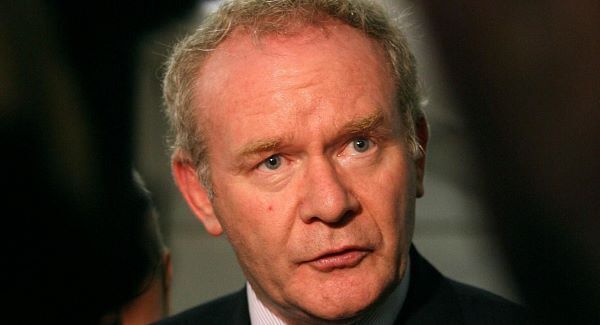
It was predictable that front-page coverage in the UK press would focus on Martin McGuinness, deputy first minister in the North, and former IRA commander, supping with the Queen. A terrorist in evening dress is still a terrorist, was the theme.
But few could anticipate the bitterness behind the words of Norman Tebbit, former chairman of the Conservative party, when he hoped Mr McGuinness would be assassinated. He said: “There is always the possibility that a member of the Real IRA will be so outraged by Mr McGuinness bowing to the Queen that they might shoot him in the back for it. We can but hope.”
The former government minister and his wife were injured in the 1984 IRA bombing of the Grand Hotel in Brighton which targeted the Conservative conference, so his unbridled reaction will be viewed by many as understandable.
In contrast, the Queen welcomed the ex-IRA leader to her banquet table at Windsor Castle, her home. In the interests of better relations between Britain and Ireland, she epitomised the gracious hostess, despite the fact the IRA murdered her cousin, Lord Mountbatten, killed when the provisionals planted a bomb in his boat at Mullaghmore, Co Sligo, on August 27, 1979.
In another welcome sign of changing times, Mr McGuinness sensibly refused to be drawn into a row and declined to make an issue of the Tebbit suggestion, a remark which in other days might open him to a charge of incitement to hatred if not murder. He is to be commended for his conciliatory approach.
Meanwhile, Taoiseach Enda Kenny has welcomed Queen Elizabeth’s generous pledge that the British Royal family would attend commemorations of Ireland’s fight for independence. He has also expressed the hope that she will make another visit to Ireland, an invitation many would favour.
Against this backdrop, it is worth reiterating the words of President Higgins, aptly summing the newfound relationship between Ireland and Britain: “We have progressed from the doubting eyes of estrangement, to the trusting eyes of partnership, and in recent years, to the welcoming eyes of friendship.”
Effectively, what the Tebbit scenario illustrates is that intransigence remains a major obstacle to the longing for permanent peace among the majority of people on this island and on both sides of the Irish Sea.
When you can have the Tricolour and the Union Flag flying together on the streets of Windsor but not on the streets of Belfast, when the likes of Norman Tebbit can voice the hope that Martin McGuinness might be assassinated, when protesters object to the McGuinness presence but conveniently overlook the shadowy role played by the British army in the North, then it is imperative that the middle ground must win.
That’s the ringing hallmark of this historic first State visit to Britain by an Irish President.
CONNECT WITH US TODAY



Be the first to know the latest news and updates