Time to nest and breed
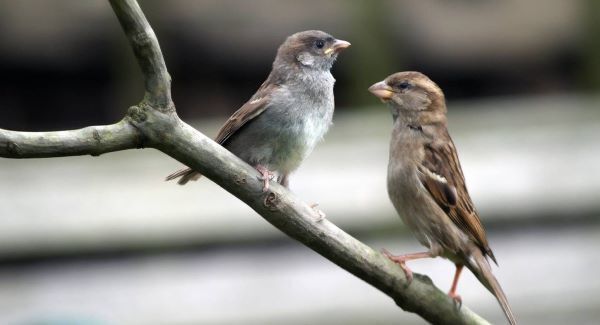
All our bird species breed in the spring, though some, which have several broods a year, continue on through the summer, even occasionally into the early autumn. Wood pigeons have been observed rearing their last brood as late as October.
But spring is a rather elastic season in Ireland and it is defined differently by different bird species. Birds of the crow family, and seven species of crow breed in Ireland, are usually the first to breed. Ravens, our largest crow, are mostly sitting on eggs already. They have been known to start laying in February in milder parts of their range.
Birds of prey, on the other hand, are among the last to breed and sparrow hawks are unlikely to start laying before May.
There are reasons for this discrepancy. The parent birds have to maintain their own fitness levels and provide enough surplus food to supply a nest of growing young. This is a hugely demanding business and requires accurate timing to make sure that it coincides with the maximum availability of food.
The sparrow hawk breeds late because when its young are at their hungriest, there are lots of newly-fledged small birds around which are easy to catch and a nutritious source of food. A nest of blue tits close by can provide up to eight or more meals for the young sparrow hawks. And the blue tits, in turn, have delayed their breeding until there is a plentiful supply of small caterpillars to feed their own young. So an ecological cycle develops through the extended spring months.
At the other end of the seasonal cycle, all crow species eat the eggs of other birds, though this is relatively uncommon in rooks and extremely common in magpies and jays. For them, there is an obvious advantage in nesting early so that when their own young hatch there is a plentiful supply of the eggs of other species to provide high-protein nourishment.
The availability of food is the main factor controlling the timing of the breeding season, but it isn’t the only one. Ireland’s native flora is extremely short of evergreen species so many birds have evolved the tactic of delaying breeding until deciduous species are leafy enough to provide cover. This applies to some extent to ground-nesting birds; pheasants need long grass and mallard need the reed beds to be well grown.
So we are at the start of a carefully choreographed sequence of events, all of them taking place for very good ecological reasons.

CONNECT WITH US TODAY



Be the first to know the latest news and updates