New discoveries are changing what we believe of our ancestors
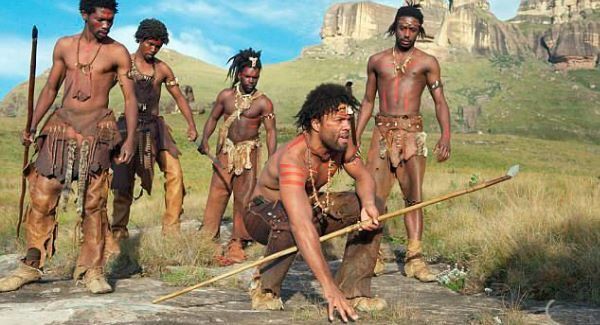
Geneticist Carles Lalueza Fox of Barcelona University and his research team present new findings on-line in Nature.
In 2006, climbers discovered the remains of two men in caves high in the Cantabrian Mountains of Northwest Spain. The pair, called ‘La Braña 1’ and ‘La Braña 2’ after the region where they were found, lived around 7,000 years ago. Only a few artefacts and deer bones were found with the skeletons. Thanks to the cool high-altitude conditions, however, the remains were sufficiently well preserved that DNA was extracted from a tooth of La Braña 1, enabling a rough map of his genome to be prepared.
The shift from hunter-gathering to farming was, arguably, the most pivotal development in human history. In La Braña’s day, farming was practiced in the Middle East but Europeans, back then, were still nomadic hunters. The copy of his genome is especially valuable because it predates the genetic changes which the farming revolution brought about.
La Braña’s DNA shows that he had blue eyes and black hair, a Northern European trait rarely found nowadays. His skin colour was an even greater surprise. People living in African climates need plenty of melanin in their skin to block harmful rays from the sun. Some light penetration is necessary, however, so that Vitamin D can be produced.
In cloudy Northern Europe, with its long dark winters, dark-skinned people can’t get enough sunlight and Vitamin D deficiency is common among them. Wearing clothes for warmth adds to the problem. To let in more light, it was thought, natural selection reduced the level of melanin in the skin of our newly-arrived ancestors and they turned white. La Braña’s DNA profile, however, shows that he had African copies of the alleles governing skin colour; he was dark-skinned. Evidently, we became white only very recently.
So how did La Braña avoid Vitamin D deficiency? The flesh of the wild animals he ate, the scientists think, supplied the vitamin. When our ancestors became farmers, two thousand years after La Braña’s day, there was a dietary shift. People ate more carbohydrates and less meat, so Vitamin D deficiency became a problem. To deal with it, they evolved skins with reduced amounts of melanin and became pink-skinned. The change came at a price: Europeans today are susceptible to skin cancer. Even in overcast Ireland, we need our Factor 50.
Babies everywhere drink milk but they lose this ability when they are weaned. Adult Europeans, and Africans living in cattle-rearing areas, are unusual in being able to digest lactose. The milk produced by the livestock kept by early farmers was a valuable new food resource but an adaptation was required to avail of it. La Braña’s genes show that he could not drink milk; this ability is another legacy of the agricultural revolution.
But there were also genetic losses in the conversion to agriculture. La Braña was immune to forms of pneumonia and tuberculosis, ailments which still kill us today. It’s thought that, as early herders became infected with new strains of these diseases through contact with their animals, the older immunities became redundant.
La Braña’s DNA has another surprise; he had genetic links to hunter-gatherers living in Scandinavia and to a 23,000 year old child from Siberia whose DNA was sequenced last year. No wonder he had blue eyes. Hunter-gatherer people seem to have travelled widely and were much more interlinked than was previously thought.
*

CONNECT WITH US TODAY



Be the first to know the latest news and updates