Time to take down the tree
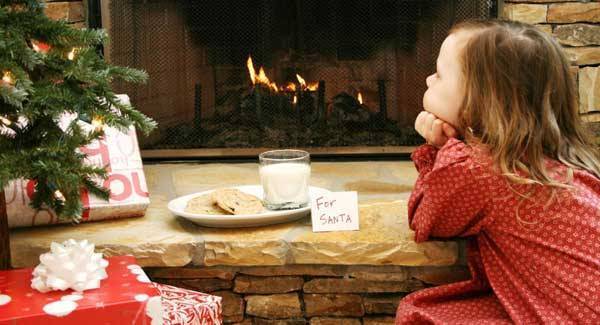
IF you follow tradition you will take down your Christmas tree today. January 6 is Little Christmas or Women’s Christmas and marks the end of the holiday. This seems to be a uniquely Irish custom. In Norway and Sweden the tradition is to take down the tree on January 13.

Time to take down the tree

But the significance of January 6, the Feast of the Epiphany, is much more universal. In fact the birth of Christ was actually celebrated on this date for most of Christian history, and it still is in the eastern Christian churches.

The Irish tradition seems to be strongest in Munster and is probably on the way out. A friend of mine visited her student son in his flat last June and found that the tree was still up, though looking a little tired. But if you take a more traditional approach and the tree is leaving the house today you may like to try and work out what species it is.

In northern and central Europe, where the Christmas tree tradition originates, Norway spruce was always the tree of choice. It’s native to much of the continent, though in warmer parts it’s restricted to high mountains.

It has not been an Irish native since before the last Ice Age but it does grow well here and is still offered for sale as a Christmas tree.

But in recent years it has been overtaken in popularity by a species that is marketed as nobilis, or sometimes simply as ‘non-shed’ because it retains its needles rather better after it is cut and brought into a warm home. This tree is the noble fir, which is native to America’s Pacific north-west. It was discovered by the Scottish plant explorer David Douglas in 1825 and introduced into these islands some years later.

It grows well here, in fact it should probably be planted much more as a forestry crop since in some conditions it can out-perform the ubiquitous sitka spruce. It also makes a handsome and sweet-smelling Christmas tree.

When the modern Christmas tree tradition started in the 1800s there was a notion that father and son went off together into the forest with an axe to select a wild tree. To what extent that really went on is debatable but there is no question that the vast majority of us now buy our Christmas trees, and apparently we’re buying them earlier and keeping them for longer.

But one mystery, at least to me, is why they are marketed as nobilis. The botanical name for the noble fir is Abies procera. It has an obsolete name of Abies nobilis. But why has the Christmas tree trade decided to take part of an obsolete Latin name and use it to describe a tree with a fine English name?

More in this section

Revoiced

Newsletter

Had a busy week? Sign up for some of the best reads from the week gone by. Selected just for you.

Cookie Policy Privacy Policy Brand Safety FAQ Help Contact Us Terms and Conditions

© Examiner Echo Group Limited










