Ireland escapes frog-killer fungus
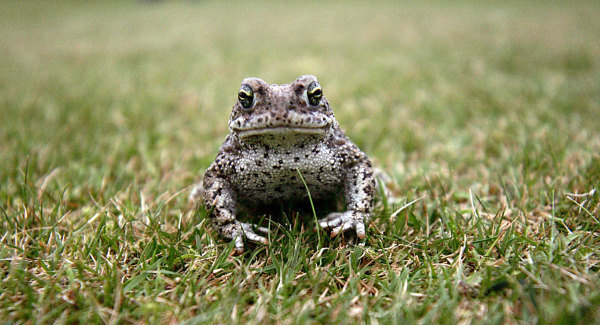
above, the smooth newt. There is no evidence the frog-killing chytrid fungus is in Ireland, but we cannot be complacent.

Ireland escapes frog-killer fungus

Ireland appears to be free of a parasite that is killing frogs and toads all over the world, says the Herpetological Society of Ireland. The chytrid fungus feeds on keratin, the bio-material of which hair and finger-nails are composed. In water, amphibians absorb oxygen and expel carbon dioxide through pores in the skin. The fungus blocks the pores, preventing the passage of gases and smothering the victim. It also produces toxins that poison. Frogs and toads can be treated in the laboratory, but not in the wild.

The amphibians, the first vertebrates to leave the sea and venture onto land, have been around for 380m years. The tetrapod footprints on Valencia Island, some of the oldest in the world, were made by a member of this ancient tribe. Venturing onto land, but depositing their eggs in water, was a winning formula. The amphibians are successful; they saw the dinosaurs come and go. About 7,000 species remain.

Then, in the 1980s, their luck changed. Amphibian populations collapsed. Some species have disappeared. The beautiful golden toad of the Costa Rican rainforest is one of the victims. Described for the first time in 1966, a lone male found on May 15, 1998, may have been the last member of his species. In 2004, the Global Amphibian Assessment concluded that one third of all amphibians are threatened. Habitat loss, climate change, and agri-chemicals contribute to the catastrophe, but the chytrid fungus is a major player.

Mortality resulting from the fungus was first identified by Australian researchers in 1993. The parasite had been in the country since 1978. It originated in Africa; a specimen there was dated to 1938.

It’s not known whether this is a new pathogen or an old one that suddenly became virulent. The original host species was the clawed frog, a creature not affected by the fungus, but which carries it. But how could a fungus, living on frogs confined to parts of Africa, spread itself throughout the world?

One theory blames human-pregnancy testing. In the 1930s, there was an unusual discovery. If urine from a pregnant woman is injected into an African clawed frog, the animal will ovulate and drop its eggs.

This method of determining pregnancy was reliable and cheap, so clawed frogs were bred as testers. Soon, they were being exported to clinics in other parts of the world, bringing the fungus with them.

When the tester frogs were discarded, dead or alive, the fungus was picked up by local amphibians. Not having encountered it previously, they had no defence against it.

Three amphibian species, the common frog, the natterjack toad and the smooth newt, are native to Ireland. The Herpetological Society, sponsored by the National Parks and Wildlife Service and the Heritage Council, took 195 swabs from amphibians at 22 locations here and had them tested for the fungus.

No trace of it was found. This does not necessarily mean that we haven’t a problem; the fungus could be present in segments of the population not yet tested; absence of evidence isn’t evidence of absence.

It seems likely, however, that we are among the few countries still free of this scourge. There is no room for complacency, however. The discovery of an alpine newt in County Galway last year is an ominous development. This continental species is vulnerable to the parasite. Was its introduction accidental or did some irresponsible person import this alien?

Facing global catastrophe, Noah took the world’s animals into the Ark. In 1998, the World Association of Zoos and Aquaria, supported by the IUCN, established the Amphibian Ark. The most vulnerable species are being identified and the threats to them assessed. By replicating wild habitats in zoos and aquaria, it’s hoped that populations of the most critically endangered species can be maintained.

More in this section

Revoiced

Newsletter

Sign up to the best reads of the week from irishexaminer.com selected just for you.

Cookie Policy Privacy Policy Brand Safety FAQ Help Contact Us Terms and Conditions

© Examiner Echo Group Limited