Irish get last chance to pass 960bn EU budget
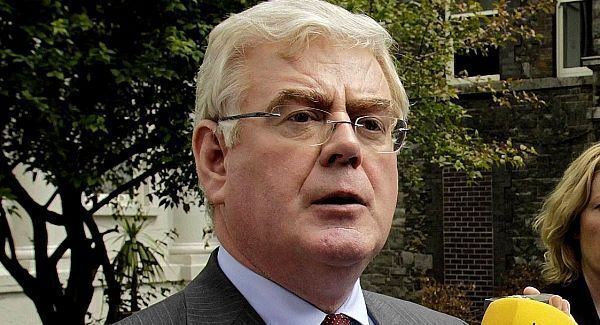
If Tánaiste Eamon Gilmore and Taoiseach Enda Kenny do not succeed, then the figures agreed for individual areas, such as agriculture, will be left hanging in the air.
Agriculture Minister Simon Coveney hopes that he can finalise the details for the biggest shake up in a decade of the Common Agriculture Policy today in Brussels when he sits down with the European Parliament and Commission representatives.
He made a lot of progress yesterday but received a mixed reaction from Irish farmers, upset that the larger ones will lose up to 30% of the subsidies they will receive, while smaller farmers with poorer land will gain.
Mr Gilmore had hoped that the final package for the EU’s seven year budget he agreed with the Parliament’s lead negotiator, Alain Lamassoure last week would be enough to win around the MEPs, a majority of whom must vote for it.
But while he and Mr Lamassoure agreed to recommend it to their bodies, other members of the Parliament’s negotiating team said they could not accept it, and one German member resigned from the team.
Parliament president, Martin Schulz, who like Mr Gilmore is a member of the Socialist group, after meeting those involved in the talks wrote to the Tánaiste yesterday saying the consensus was that the deal did not give the Parliament enough.
On that basis he believed that if put to a vote in the Parliament, as planned on Tuesday, it could be voted down.
Mr Schulz has said he will turn the issue over to the EU leaders at the summit when he addresses them tomorrow and he expects there may be an opportunity for the member states to go further.
Mr Gilmore is expected to attend meetings on the margins of the summit when the Irish will make one final effort to reach agreement. The main sticking points now are greater flexibility to move money around programmes where it is most needed — but member states were only willing to allow the commitments for 2015 and 2016 to be front loaded next year for youth employment initiatives, but not for the follow years.
The Parliament is also insisting that member states agree to the extra money the Commission needs to meet its commitments this year, of 11.2 billion. They point out that the money has been spent in the member states, but because of continuous cut backs in the EU’s budget the funds are not there.
Meanwhile Mr Coveney defending the deal to cut subsidies for many farmers said the average cut will be between 11 and 12% while those benefiting will get an average of 35% extra. Currently 80% of the money goes to the top 20% of big farming enterprises. Now by 2019 each farmer will receive at least 60% of the average national subsidy per hectare.
MEP Jim Higgins said that 50,000 farmers are set to lose some money while 60,000 will gain. Losses would be capped at 28% which would affect farmers getting 1,300 her hectare at present while losses and gains would be spread over 7 years to avoid a shock.
A young farmers scheme will be mandatory which Mr Higgins said, given that there are more Irish farmers over 80 years of age than under 35 years old should benefit Irish agriculture enormously.
This was lamented by the IFA who said that 50,000 of the most productive farmers would lose out and he warned that the government must ensure that money goes to productive farmers rather than those who are not active. The ICSA described the 60% minimum payment as flawed also.
The issues still be to resolved include a limit on the sum any one enterprise can receive. The Parliament and the Commission want this to be €300,000 a year but member states, protecting big enterprises, are not anxious to impose a limit.
However there is agreement that permanent sporting enterprises such as golf clubs, amenities such as airports will be exempt from getting subsidies in future. Agreement was still to be reached on milk and sugar.

CONNECT WITH US TODAY



Be the first to know the latest news and updates