Garden of Eden grows again
GOOD news on the environmental front comes from a most unlikely quarter; large areas of Iraq’s Tigris-Euphrates marshlands have been re-flooded.
Garden of Eden grows again

Creatures thought to be gone for ever are reappearing and hopes are high that the former world-class wetland will recover its ecological health.

The Garden of Eden, some people think, actually existed. It was supposedly located near the junction of the two great rivers of ancient Babylon. Paradise or not, humans and beasts seem to have lived here in prosperous and idyllic harmony. The clear waters of the largest marsh in the Middle East teemed with fish. Millions of birds rested in its pools and reed beds on their journeys between Asia and Africa. The Basra reed warbler bred here and nowhere else in the world.

The Madan people have lived in the marshes for thousands of years. Among the world’s first irrigation engineers, their systems of water control enabled the Marsh Arabs to grow dates rice and cereals. Homes and furniture were made from reeds. Boats transported goods along the irrigation ditches.

The Madan, however, are Shia Muslims, their natural allies being their co-religionists in Iran. When Saddam Hussein, a Sunni, attacked Iran in 1980, they found themselves off-side and their relationship with his regime deteriorated. Then, in 1991, Saddam’s invasion of Kuwait triggered the first Gulf War.

The west encouraged the Madans to rebel but, when the foreign forces withdrew, the unfortunate marsh dwellers were left to their fate. Saddam exacted a terrible vengeance. In the largest engineering project ever attempted in the Middle East, enormous dykes were constructed and canals dug to divert water away from the marshes and dump it into the Gulf. The wetland area was reduced from 20,000km² to 50km²; the Garden of Eden had become a desert. More than 600,000 people, their livelihoods destroyed, fled to Iran. The migrant birds, with nowhere to feed or rest, no longer visited. It was feared that vulnerable creatures, such as the Basra reed warbler, had become extinct.

Now, according to film-maker David Johnson, at least some of the damage wrought by Saddam has been repaired. A BBC television documentary, Miracle of the Marshes of Iraq, depicting the largest and most ambitious habitat recreation project ever known, was broadcast recently showing the area’s amazing rejuvenation.

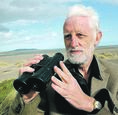
It explains how, as a child, Azzam Alwash accompanied his father, an irrigation engineer, on excursions into the Iraqi marshes. Then the family moved to the United States, where Azzam would graduate in engineering from California State University. In 1998, he and his wife founded Eden Again, an organisation working to restore the marshes.

Despite threats from roadside bombs, snipers and kidnappers, he now spends most of his time in his homeland. Even filming his activities requires extraordinary courage. Donning body armour, Johnson and his camera crew travelled in armour-plated jeeps, guarded by 30 heavily armed security men, their convoys never taking the same route twice.

After the fall of Saddam at the end of the second Gulf War, the Marsh Arabs dug channels through the dykes, to bring water back to the parched earth. It was a haphazard uncoordinated affair; some areas received too much water, others had too little.

Azzam drew up a master-plan to optimise resources and restore both the ecosystem and the Madan way of life. Temporary dykes and canals were constructed to control the water distribution.

The area is coming back to life and exiles are returning. Crops are being grown again. The flocks of marbled teal, pelicans and flamingos are back. The Basra reed warbler, against the odds, survived and is nesting. It’s a ray of hope for a most unfortunate country.

Enormous problems remain, however. The waters are becoming increasingly salty. The spring floods, which used to wash out and replenish the marshes, no longer occur and there are fears for the survival of some species. Increasing amounts of water are being taken from the rivers upstream in Turkey and Syria and there is no longer enough to supply all of the former wetland. It’s estimated that about 30% of the original wetland has been restored, an extraordinary achievement.

More in this section

Revoiced

Newsletter

Sign up to the best reads of the week from irishexaminer.com selected just for you.

Cookie Policy Privacy Policy Brand Safety FAQ Help Contact Us Terms and Conditions

© Examiner Echo Group Limited