Greens in coalition - Credibility demanded a ‘yes’ vote
Effectively, this means Taoiseach Bertie Ahern will have a comfortable majority in the Dáil, leading his third administration in a row, equalling a record set by Eamon de Valera.
When the 30th Dáil convenes today, the Greens will begin the task of influencing the new government’s direction over the next five years.
However, just how far their influence will go is debatable. With Fianna Fáil in a position to run the country without their support, the Greens ended up endorsing concessions that are more aspirational than concrete.
While a carbon tax would have significant bearing on climate change, no specific levy is mentioned. The proposal for Luas systems in Cork and Galway is welcome, but was already Fianna Fáil policy.
There is no shift on co-location of public and private hospital facilities, a policy that will now be pushed ahead by Minister Mary Harney despite reported Green efforts to have her moved from the Health portfolio. Nor was there anything concrete on the Shannon troop stop-over, apart from wordplay on the vexed issue of extraordinary rendition.
On taxation, a commission is to be set up while another will set spending limits for local elections and oversee the introduction of a directly elected mayor in Dublin by 2011.
Despite Green negotiator Dan Boyle’s admission that the draft programme for government agreed with Fianna Fáil was not a great document — not even a good one — the party endorsed the deal by a whopping majority of 87% of 510 members at yesterday’s conference.
In a real sense, it was a last chance saloon for the party and from the disgruntled mood of some delegates the outcome was far from certain.
With the party’s future in the balance, it was a question of damned if they do, damned if they don’t. In terms of realpolitik, any rejection of the chance of entering coalition would render the Greens unelectable in the eyes of voters up and down the country.
With the unlikely prospect of a Green spring tide in the foreseeable future, the party would sink to the bottom of a political quagmire of its own making. Adding to these problems, its founder and first TD Roger Garland said he felt betrayed by the decision to agree a programme for government with Fianna Fáil.
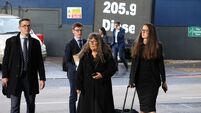
Battling to secure the necessary two-thirds backing for coalition, the party’s six TDs had to run a gauntlet of noisy protesters outside the Mansion House. Reminding them of their radical roots, the protesters charged them with betrayal for getting into bed with Fianna Fáil, especially without having secured meaningful concessions on key issues.
If anything, that underlined the enormity of the challenge confronting the leadership in selling the 90-page document hammered out in negotiations over the past week. In the event, they succeeded beyond all expectations.
Adding considerable weight to the arguments of the leadership, the European green party expressed the hope that the Irish party would vote to enter coalition with Fianna Fáil so as to influence the political life of the nation.
With their credibility at stake, the blunt choice facing the Greens was either to remain on the sidelines for the next five years or enter coalition with Fianna Fáil.
With the offer of two seats at the Cabinet table they can now influence policies on energy, environment climate control and local government reform. They have seized that chance with commendable belief in their ability to be an effective coalition partner.
CONNECT WITH US TODAY



Be the first to know the latest news and updates