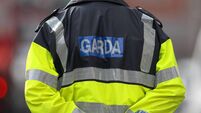
Crime statistics - Good and bad news in gun figures
According to the latest crime figures, more than 12,000 people have so far been arrested by gardaí in a crackdown on crime — appropriately code-name Operation Anvil.
Politically, these results are music to the ears of Justice Minister Michael McDowell who praised the gardaí for disrupting the criminal activities of a number of key criminal gangs, securing high-profile arrests in the process and gathering intelligence on the movements of criminals.
Since the crackdown was launched in May 2005, first targeting Dublin before extending to the rest of the country last year, nearly 1,000 firearms have been confiscated and €16 million worth of suspected stolen property has been recovered.
By any yardstick, the figures are impressive: more than 20,000 drug searches and almost 1,500 firearm searches were carried out; almost 50,000 checkpoints were performed and more than 9,500 vehicles seized.
Outside Dublin, the blitz took the form of a series of special operations, proposed by each regional commissioner, with the result that some 4,954 people were arrested and 315 firearms seized.
While it remains to be seen how many cases will be successfully prosecuted, the number of arrests is a compelling argument for putting more gardaí on the beat, for beefing up dedicated agencies, and for greater involvement of the force at community and youth level.
Regrettably, these figures are seen in a less favourable light when set against new statistics showing that more than half the gun murders committed over the past eight years have not been solved.
Equally worrying is the fact that less than 30% of gun murders investigated by gardaí between 1988 and February 19 have led to charges being brought.
Putting the Irish statistics in an international context is difficult if not impossible as comparative detection rates for gun murders in EU states are unavailable. For criminologists, the key figure is the number of cases which reach the courts and on that yardstick the Irish record is far from impressive.
While just under half the murders on the garda books have been solved in the past eight years, the reality is that seven out of ten have not resulted in charges being brought against suspects.
Overall, the crime figures reflect an increasing and frightening level of violence in Irish society today. By far the worst years were 2005 and 2006 which had the highest number of murders and the lowest detection rate.
The recent orgy of gangland murders was so bloody that a new low was reached when four people were gunned down during a 10-day period last year.
With more guns on the streets, gang members tend to be younger, less organised, more vicious, and more likely to be high on cocaine when murders are committed.
No doubt, Operation Anvil will be quoted by Minister McDowell in election speeches to vindicate his controversial introduction of legislation that see greater restrictions on bail and the right to silence, plus longer detection periods for questioning.
But the blitz has also shown what gardaí are capable of when they get the tools for the job. It is not good enough for politicians to bask in the success of special crackdowns and then wash their hands of responsibility when the gardaí lapse into less effective methods of policing because of a chronic lack of resources.

CONNECT WITH US TODAY



Be the first to know the latest news and updates