Mick Clifford: Seamus Culleton and immigrants in US today could not identify with the Allston Seven
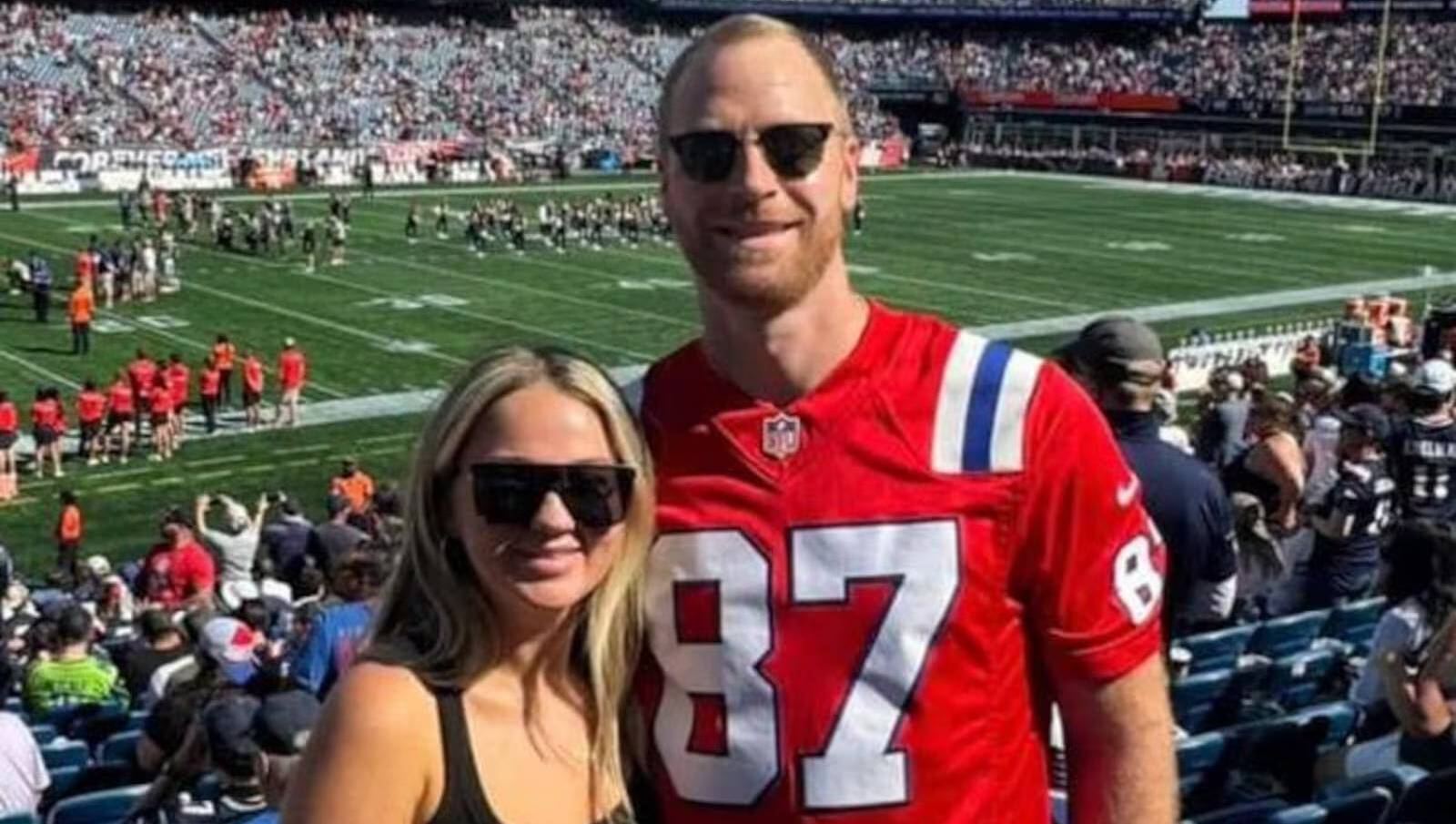
Seamus Culleton, originally from Glenmore in Kilkenny, has been detained in an ICE centre in El Paso for the past five months. Picture: The Irish Times
They were called the Allston Seven. All young Irish men, lifted in the Allston suburb of Boston, and thrown into an immigration holding cell. It looked like they were on a one-way ticket back to the old country.
This was the late 1980s, when the world was very different place. There was no ICE, no Trump, no culture wars that demanded immigrants be treated like “the other”.
Back home, laws around immigration were regarded as something to be got around with a nod and wink.
The crime that brought these lads to the attention of the authorities was playing The Pixies loud and late at a party in their apartment.
A state trooper who lived in the block didn’t like his sleep being interrupted, and he had them charged with a public nuisance offence. When the matter was dealt with by the local court, immigration police were waiting in the wings. They had obviously been tipped off by our cranky trooper. The lads were taken away. All of them were working illegally in the country.
A local campaign was started in opposition to this outrage. Over Thanksgiving weekend, a fundraiser was held in Boston for the bail money required to get them out. They were given the moniker the Allston Seven.
On the Monday, $20,000 was lodged in bail — but it was money nobody would be chasing. The lads marched out of the John F Kennedy building in Boston where they had been held and into the arms of a cheering crowd, as if they’d done serious time for a crime they didn’t commit. Most likely, the vast majority in attendance were also in the country illegally.
One of the Allston Seven is a friend of mine from Blackrock, Cork. He has lived in Derrynane for the last few decades under the assumed identity of a Kerry man. Now and again, he is wont to recall the days when he was locked up stateside, a glint in his eye, as if he had a troubled and dangerous past.
Seamus Culleton and his generation of immigrants in the US today could not identify with the Allston Seven
America is now a dark place, where immigrants in particular are singled out as scapegoats for an economic system that has failed to serve most of the people most of the time.
Donald Trump’s most successful regressive political achievement has been to scapegoat immigrants in order to deflect from his own class of millionaires and billionaires, prospering enormously as ordinary Americans struggled.
This week, we heard that Culleton, a native of Kilkenny, has been held in an ICE centre in El Paso for the last five months. The married man was lifted in Boston, where he has lived for the best part of two decades operating a plastering business. Like hundreds and thousands before him from this country, he arrived in the country in 2009 on a tourist visa.
The conditions in which he is being held sound like the kind of thing you might expect in an under-developed, totalitarian state. There was initial outrage after he spoke on RTÉ’s Liveline.

He said he has been locked in the same large, cold, and damp room with more than 70 men. Everybody is always hungry because meals served at tables in the centre of the room offer only child-sized portions. Fights often break out over food, “even over those little child-sized juice containers”. Toilet areas are “filthy”.
Then it emerged that he had his own little secret. In 2009, before he emigrated, he was facing charges of possession of drugs — two dozen ecstasy tablets. He was around 22 at the time.
By all accounts, he has led a law abiding and productive life since.
There was a time when somebody in Culleton’s position would elicit widespread societal sympathy here. He had questions to answer as a young man, but that now looks like a youthful misdemeanour rather than any signifier of character.
Irish people in general would identify with the human face of this story rather than the law
Even today, in politics and in the media, the Irish illegally in the US are referred to as “the undocumented” as if all that is at issue is a piece of paper.
Yet, this week, it was obvious that any support for Culleton’s plight was qualified in a way it never would have been before. Ireland is a also darker place these days when it comes to immigrants, irrespective of where they’re from or where they want to be.
The attitude that pertained towards groups such as the Allston Seven in Ireland would be hard to find.
After all, the hypocrisy of championing illegal Irish immigrants while displaying intolerance to asylum seekers is this country would be plain to see.
This new intolerance has been acknowledged, if not encouraged, by large tracts of the body politic.
Look at the repositioning of the three main parties in the Dáil towards immigrants. Observe those who stand up in Leinster House and issue dog whistles about “the other”, rooting around in the gutter for a few votes. Look at the expressions of hate customarily polluting social media.
In such a milieu, cases like that of Culleton are viewed in an entirely different light. After a trend set by Trump, compassion is viewed as a weakness.
Immigration laws
“The other” must always be cast as devious, law-breaking, and harbouring hidden secrets. America is not the only place where immigrants are being scapegoated. There remain some glimpses of light in this country when it comes to the clash between compassion and a demand of rigid adherence to immigration laws.
A protest was held outside Leinster House this week against the scheduled deportation of a Nigerian family back to South Africa.
Titilayo Oluwakemi Oyekanmi and her three sons Samuel, Joseph, and Genesis came to Ireland in 2023. Their application for asylum was rejected as was an appeal. Titilayo says she fears for her life if returned to South Africa.
While here, they have integrated well into their community in South Dublin.
Local people believe they should be allowed to stay on the basis that they have a huge amount to contribute to the community. There may or may not be merit to their case. What we do know is that, in recent years when such cases arose, the State was inclined towards some accommodation. The mood has since changed. Even if the Government was minded to make exceptions, there is a general fear that it would be cast as weak.
We have come a long way. Right now, we’re heading down the road others have travelled across the Atlantic — even across the Irish Sea. It remains to be seen if our society can pause and reflect on the values we had at times such as the 1980s, when the country was poor but retained the capacity to see the world through the eyes of others less fortunate.

Cancel anytime
CONNECT WITH US TODAY
Be the first to know the latest news and updates