Education in a changing world - Huge change is the only constant
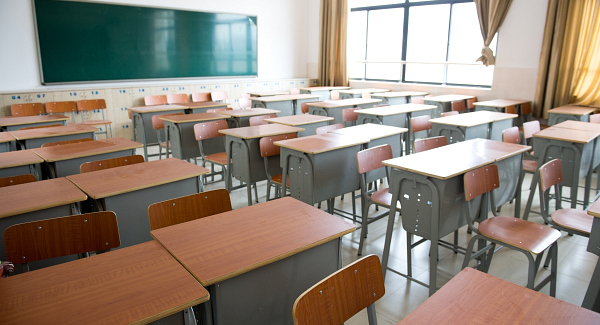
This morning, 118,713 students begin exams that have been a rite of passage since the foundation of this State. Today’s exam structures would be familiar to anyone who took those tests in the year Peig Sayers — so very long emblematic of our system and its ambitions — died, in 1958.
Emphasis and range have shifted but the destination and route map remains pretty much the same. Despite that, we have reached a point when — to use that phrase beloved by cornered politicians — a root-and-branch reappraisal is needed.
The teachers of 1958 certainly never imagined that 60,248 pupils would sit the Junior Certificate, 55,707 the Leaving Certificate, and 2,758 the Leaving Certificate Applied programme.
Nor did they imagine that these exams would require four million test papers and almost 47.7m A4 sheets.
The introduction of free education in 1966 has long been recognised as the game changer. It brought seismic change, social and economic.
Along with our membership of the EEC, it turned Ireland into a modern European society. Those changes introduced Irish people to opportunity in a way our forefathers never experienced.
We are on the cusp of equally dramatic, unavoidable change — and it may not all be positive unless we prepare properly.
Technology, automation, demographics, globalisation, 24/7 social media, urbanisation, the sad return to pull-up-the-drawbridge nationalism, climate change, immigration and the irrelevance of reliable jobs or skills that once sustained families and communities conspire to ask the most fundamental questions about how we educate our young people or if that education is the best, most appropriate advantage we can offer them to sustain themselves and this society.
Those changes also drive unprecedented, varied demands on limited resources. We will, it seems, have to spend far more on education than we do just to stand still.
These changes also challenge our pretty fixed ideas around how an education, rather than a set of qualifications, is delivered.
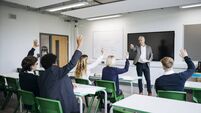
In our online age, a classroom seems almost a quaint setting with as much to do with socialising students — or childminding — as it does about exposing them to knowledge and understanding.
That may seem a cold, inhuman assessment but the phenomenal growth of distance learning suggests it is a view shared by millions around the world.
It also challenges the emphasis we put on developing an economic unit — a worker with valuable, saleable skills — rather than developing a well-rounded citizen who recognises that as well as conferring benefits, being a member of a society also brings responsibilities.
Our conversations about education focus on the the earning power of a qualification; points for college courses; imposing Irish; patronage or the place of religion in a classroom and teachers.
Today we publish a comparison between our system and one of the best education systems in the world. That eye-opening piece points to new horizons and opportunities, ones we have yet to embrace.

CONNECT WITH US TODAY



Be the first to know the latest news and updates