Mick Clifford: The Regional was supposed to be the future of healthcare — so what went wrong?
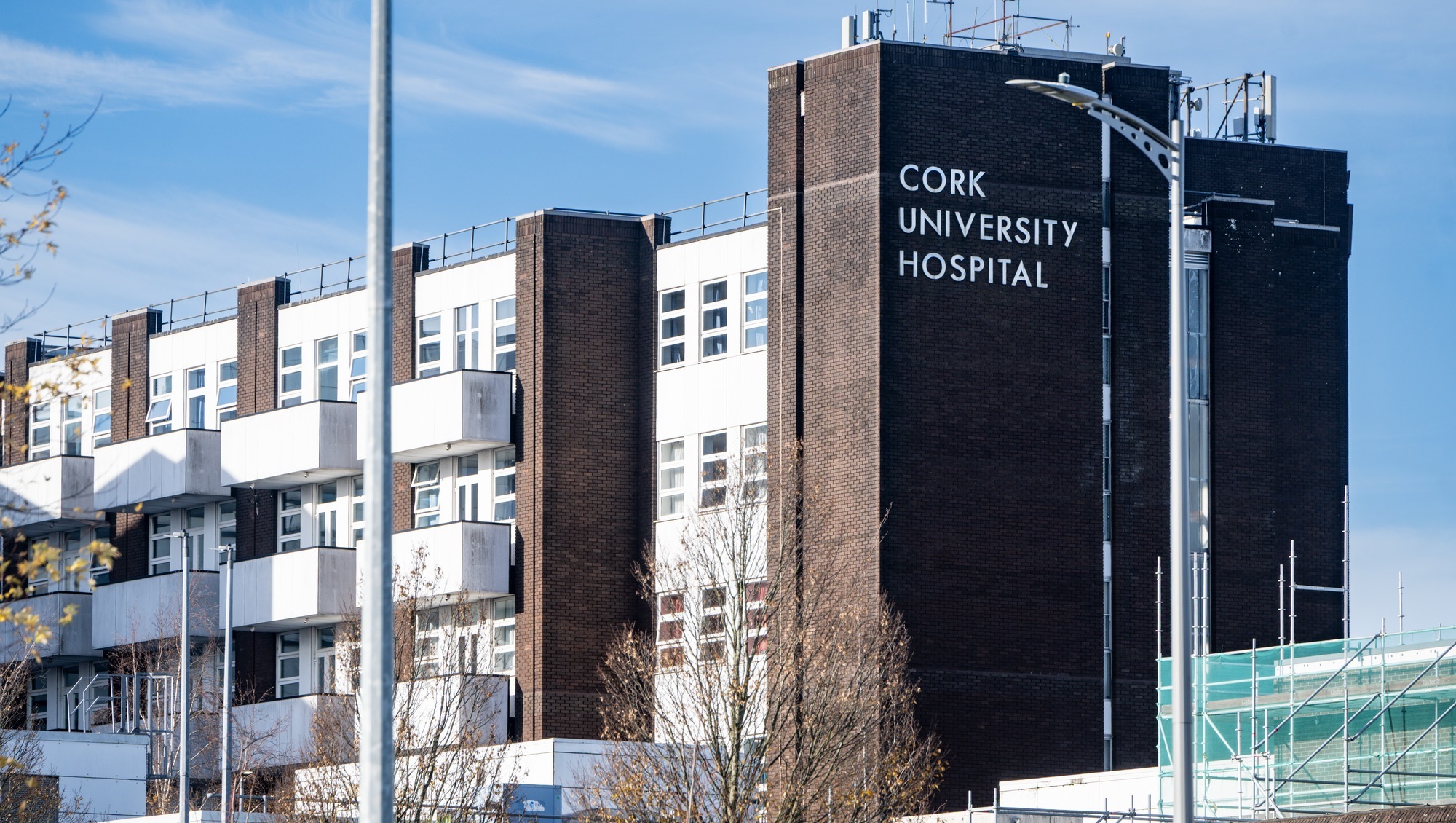
Sources within Cork University hospital are not surprised at the level of crisis that has been articulated by the chief executive Jennifer Kearney. File picture: Chani Anderson

Pick any time in the 48-year history of “the regional” in Cork, and you’ll find traces of what has led to today.
The Cork Regional Hospital, as it was, opened in 1978. It was supposed to represent the future, and for a while it did. In 1994, the hospital was officially renamed the Cork University Hospital (CUH), but for many years afterwards, it was still 'The Regional' in the public mind.
By the year 2000, the country was changing at a rapid rate, and problems were being writ large across the health service. At the time, local TD Micheál Martin was the minister for health.
There was a recognition that healthcare needed to keep up with the changes. To that end, plans were afoot to build a new rehabilitation centre in the Cork region.
Up until then, the only such facility in the state was — and still is — the well-regarded National Rehabilitation Hospital in Dun Laoighaire. The Dublin rehab facility provides appropriate care for those who no longer need to be in a hospital.
Read More
Acute beds are then freed up. It is an integral part of a functioning health service and was badly needed in Cork. The new rehab hospital was to cost £140m and provide 150 beds.
Then a row developed between the National Rehab Centre and the Southern Health Board over who would be in charge. Micheál Martin intervened.
“The minister is eager to use a new rehabilitation facility to release beds in acute hospitals currently catering for such patients, and to ease pressure on patients who travel to Dun Laoghaire for treatment,” it was reported at the time.
“Many patients — some with horrific spinal injuries — are obliged to undergo round-trips to Dun Laoghaire of over 400 miles. The new rehab facilities will be available from the Cork hospital as part of an integrated medical plan for the Munster region.”
The row got sorted, but the rehab centre was never built. There followed reports in 2003, 2007, 2009, and 2011, pointing to the need for a rehab facility to give appropriate care and free up beds.
Finally, last year, a new facility was opened in a former hotel in Blarney with a capacity of 50 beds, 30 of which are currently being used.
In terms of a basic element of integrated care, the Munster region is already a quarter of a century behind schedule. From the mid-2000s, CUH began incorporating other services.
In 2007, maternity care for the Cork area was taken from other hospitals in the city — the Erinville, St Finbarr's, and The Bons — and relocated there. Staffing issues delayed the transfer, but it finally happened.
In 2009, the new regional cancer care centre was located in CUH.
Over the following three or so years, consolidation of ED departments in smaller hospitals in the south Munster region led to greater pressure on emergency care in CUH.
In 2015, mental health services in Cork moved to a new dedicated building on the campus. Through the years, more and more services in the Munster region have been centralised in CUH.
Physically, the place is bursting at the seams. For instance, Highfield rugby club, a 10-minute walk from the campus, hires out space to the hospital for staff parking.
“If you rolled all the major hospitals in Dublin together, that’s the kind of model that is now being used in the CUH,” one source in the hospital points out.
“It has grown down the years. You’re talking about things like trauma cases coming from anywhere from north Clare across to north Tipp and down through the whole province. That’s just one small example in the overall scheme of things.”
With each new service, each new configuration, comes more layers of management, but yet a perennial shortage of staff.
“Positions are left vacant,” according to one staff member.
She points to a case of a senior figure recruited abroad who wanted to come home.
“This person was officially appointed last March. He came home in June, intending to take up the role in August.
"And then he heard nothing. He couldn’t get an answer about a start date.
"It took all sorts of interventions before it was sorted, and he finally began in October.
"To go through that, just to take on a new senior staff member, where’s the sense?”
There is, among many who work in or interact with the CUH, a feeling that its requirements as a major hospital are not being met in a manner equivalent to facilities in Dublin.
“Look at maternity,” one source says. “There are three maternity hospitals in Dublin, and the Masters, as they are called, all have what looks like first-class access to the top of the HSE and even to government.
"There’s nothing like that for the maternity hospital here.”
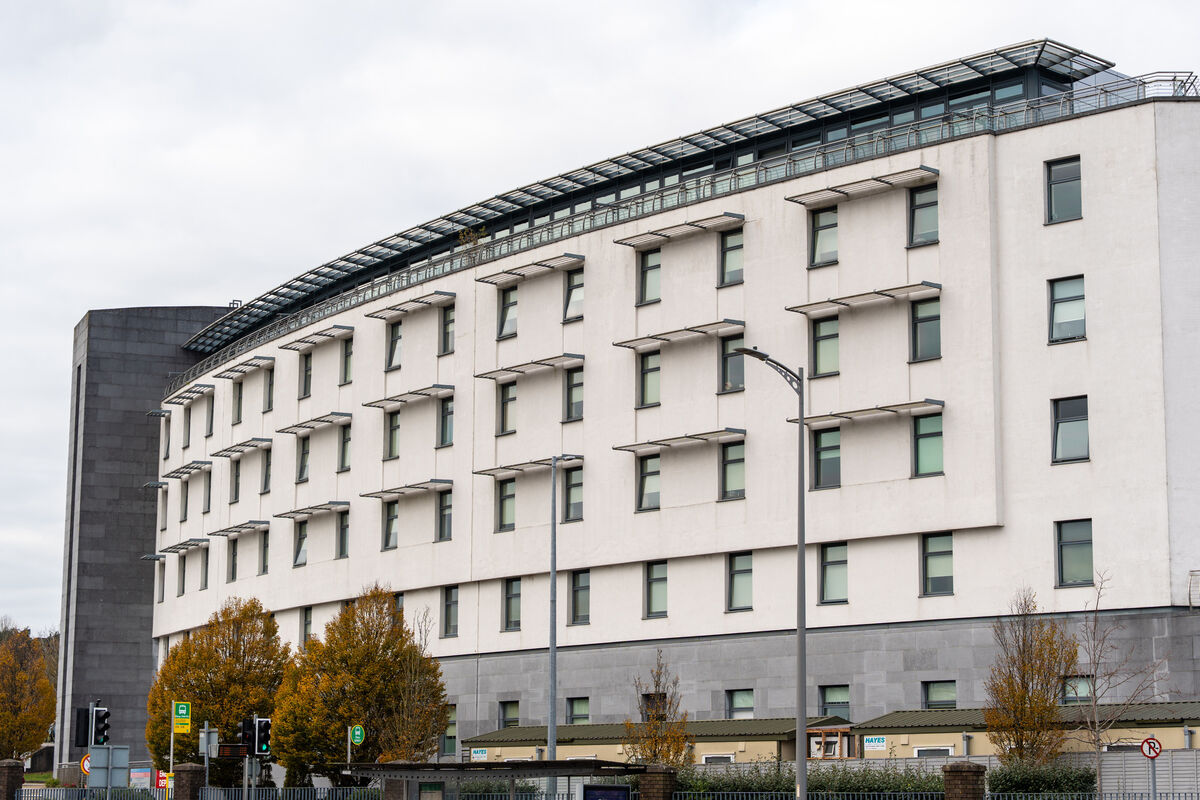
One specific example of this is the complete absence of a consultant paediatrician dermatologist for the region. There are none in the Munster region to address painful skin conditions in children, yet in Dublin 10 such posts are now filled.
Earlier this year, Cork North Central TD Colm Burke pointed to the disparity. “There are now 10 there (in Dublin) but none have been appointed to locations outside of Dublin, which is a mistake," he said.
"When we see the efficiency of the Cork-Kerry region, we believe that a paediatric dermatologist appointed in that region would help to deal with and not clog up the lists, especially as there are long waiting lists in Dublin already.”
Another area that Burke has asked a parliamentary question on is what’s known as CAR T cell treatment in cancer, a form of stem cell treatment.
The only facilities for this form of treatment are in Dublin and Galway. There was a facility in Cork, but that was shut in 2008 due to safety concerns and never reopened.
“Between January and September 2026, over 80 patients were referred from CUH to Galway or Dublin,” Burke told the Dáil.
If we take in Clare, Limerick, Cork, Kerry, Waterford, and north Tipperary, there are 1.4 million people living in the region, which has no CAR T-cell treatment facility. With a growing population, this issue will come up more and more.”
Sources within the hospital are not surprised at the level of crisis that has been articulated by the chief executive Jennifer Kearney.
Neither was there much surprise at the pushback from the upper echelons of the HSE and the Department of Health.
This week, in the wake of the controversial sacking of Anne O’Connor, the minister appears to have changed her tune.
She told the Oireachtas committee that the HSE’s chief clinical officer, Colm Henry, has now completed a “detailed assessment of the position at CUH”.
“Importantly, his assessment does not identify evidence of widespread patient harm or a systemic patient-safety failure,” she said in her opening statement.
“It does, however, identify significant operational and clinical risks which require active management, particularly in urgent and emergency care, patient flow, critical care, diagnostics, and quality and patient safety capacity. That distinction is important.”
Whether Jennifer Kearney's forthright approach and the confluence of events at the top of the HSE make some inroads on the crisis in Cork remains to be seen.
If not, those who spoke to the assert, it’s only a matter of time before things get a lot worse.

BLACK FRIDAY
Already a subscriber? Sign in

CONNECT WITH US TODAY



Be the first to know the latest news and updates