Going Dutch: Meet the Cork volunteer farmers growing their own 'gorgeous' organic vegetables
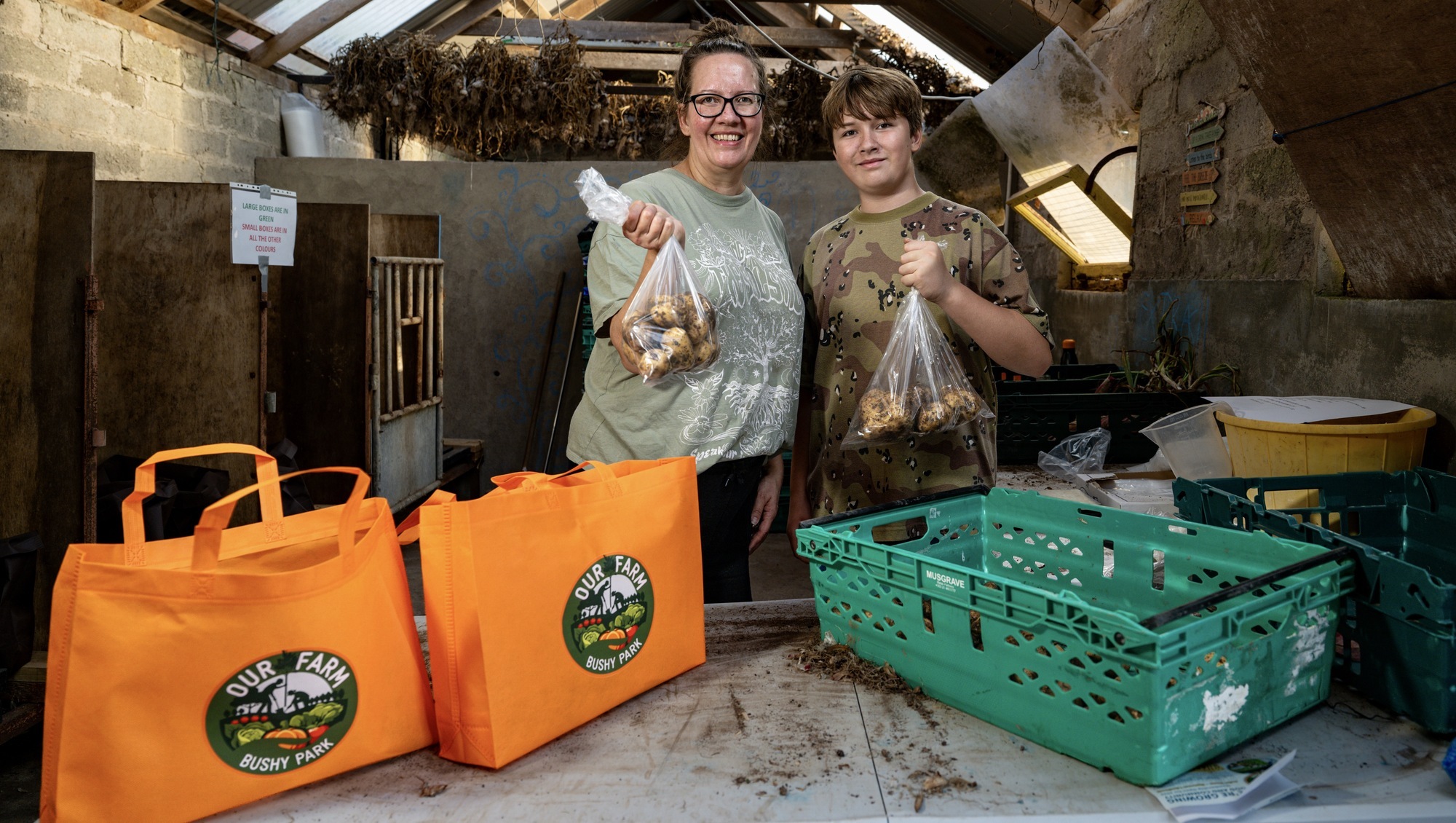
Minna Murphy and her son Ronan pack freshly harvested vegetables in the sorting room at Our Farm at Bushy Park near Kildinan in East Cork. Pictures: Chani Anderson
Cork woman Siobhain Steele has not bought vegetables in a shop in two years.
That was when she joined a community farm and now she is in no doubt growing your own food is “magic”.
Chatting in a field and picking carrots while the sun shines might seem idyllic, but Siobhain's concerns about fresh food reflect the findings of the latest Climate Change Advisory Council report.
It warned Ireland was “heavily dependent” on imports, bringing in about 83% of the fruits and vegetables people eat here.
In early September the council advised the Government to review how Irish horticulture could cut risks to food security.
These are caused increasingly by conflict, climate change or crop failures in other countries.
Driving up to this farm, the only sign it might be different to any others along a winding road near Rathcormac is the number of cars pulling in the gate late on a Friday evening.
It is a family farm and has been for some generations; now John Murphy and his family are joined by people from 30 households. They each come for a few hours every month working a half-acre plot inside the larger farm.
Read More
Some are there for the outdoors.
Others are more interested in the nutritional benefits of freshly-grown vegetables or worried about potential food shortages as climates change in Europe.
It is the only one of its kind in Ireland, based on a Dutch cooperative model called herenboeren farms.
In the field, Siobhain is working along one row, pulling vegetables to go into the crates which members receive every week.
“People are here making connections, that’s magic,” she says.
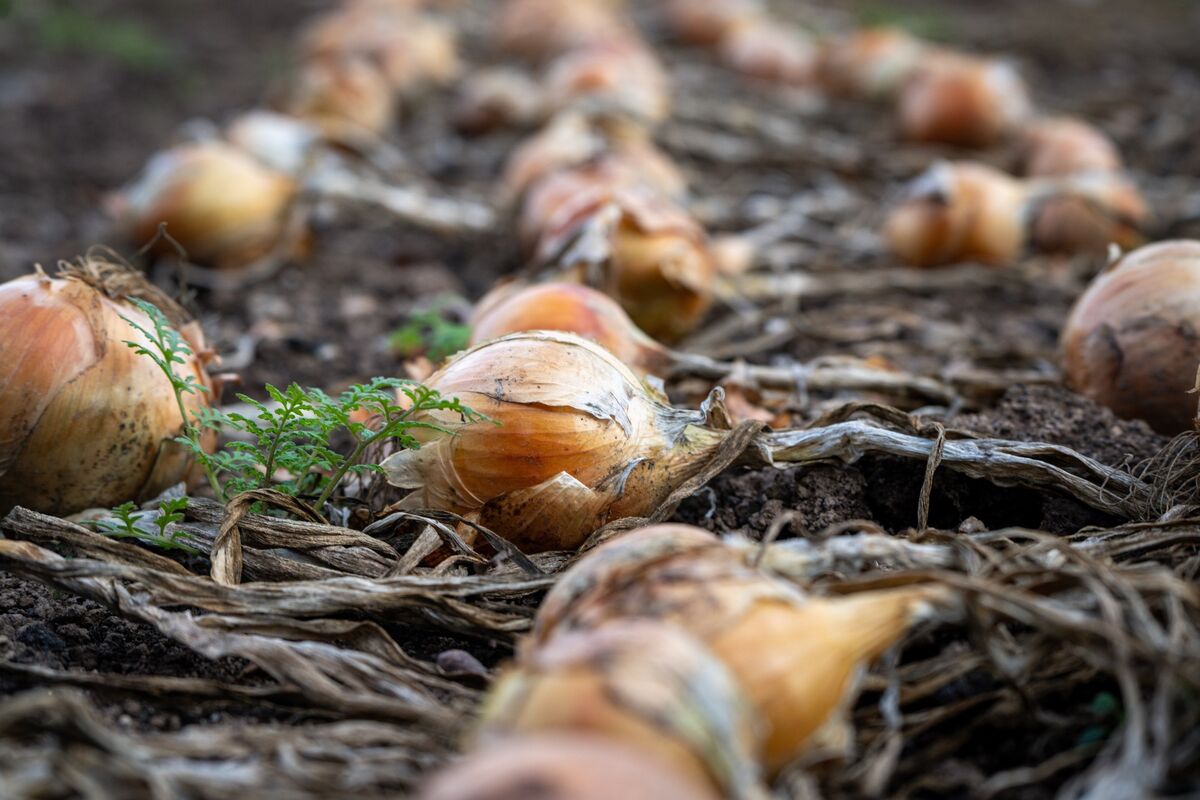
She and the others work along rows of vibrant kale, large potatoes, wonderfully shaped carrots and fragrant onions, leaving the orange pumpkins to ripen for now.
She was becoming increasingly worried by the volume of imported vegetables for sale in Irish shops, saying: “It didn’t make any sense.”
And also watching the Irish scene, she says: “You hear about all these veg farms closing down all the time so where are we going to get our food from?”
She lives nearby but had not met John or his wife Minna until she heard about this new venture setting up last year.
Curious about how it might work, when she heard the details she felt it was “a no-brainer” and a chance to grow what she describes as: “An abundance of gorgeous, fresh food. It tastes gorgeous, it’s extraordinary.”
Each member household commits to taking a weekly box of vegetables.
Siobhain shares the crate among her extended family, saying it’s a chance for her granddaughter to taste fresh carrots or courgettes every week.
“She’s availing of this beautiful organic food, grown just down the road from her grandparents. How fabulous is that?” she says.
The 30 families have a WhatsApp group chat of course, mainly used for sharing recipes.
There is a practical side also to all of this which Siobhain, also from a farming background, is quick to point out.
“We know lots of small farmers too, all around the country, looking for ways to make a living and they’re trying to diversify. This is excellent,” she says.
“They’ll have an income with a community of people, following a proven system. It’s not willy-nilly — John, Roger and Minna are putting into action a system that works.”
John and local market gardener Roger Ahern co-lead the project.
They set the planting plans, choose what to grow and organise the schedule for members. It means even someone who has never grown vegetables before can sign-up and learn on the job.
"It's a great way for a community to come together" he says.
John first heard about Herenboeren farming while in the Netherlands.
There, it is a highly successful community-owned and managed sustainable farming model. It can see up to 250 households working together on 20 hectare farms offering a guaranteed income to the lead farmers.
Here, Our Farm started with a grant from Bioregioning SE Ireland last year.
Members commit to a minimum of three hours a month work in the plot, but can do more. Tasks will likely include packing or sharing leaflets too from next year, he adds.
“So this is a way for people to buy local and to have a relationship with their food, how their food is grown. And basically to have access to a farm.”
He stresses too the fragility of relying on imports as the weather in Europe changes.
There were sceptics initially, but he says over the two years they have proven people in Ireland are interested in growing their own food.
“It’s €600 a year for membership, and it’s €32 for a large family box or €20 for a small box,” he says.
John's wife Minna is on packing duty, separating the vegetables into colourful material bags for each family.
Prices, including for the weekly boxes, are set at an AGM; people do not order but take whatever fresh vegetables are offered. It means any risks are shared between the farmer and the members.
“The vegetables being imported are not being grown for their flavour and their nutritional content. They’re picking the varieties that can grow as quickly as possible and survive the journey to the supermarket shelf,” John says.
The summer heatwaves were unsurprisingly challenging.
“We had a meeting last Monday where it was explained there will be about five weekly boxes less this year than expected because of the drought,” he says.
“Next year could be just as bad if not worse so we want to change the sprinkler system and take other measures to deal with the drought.”
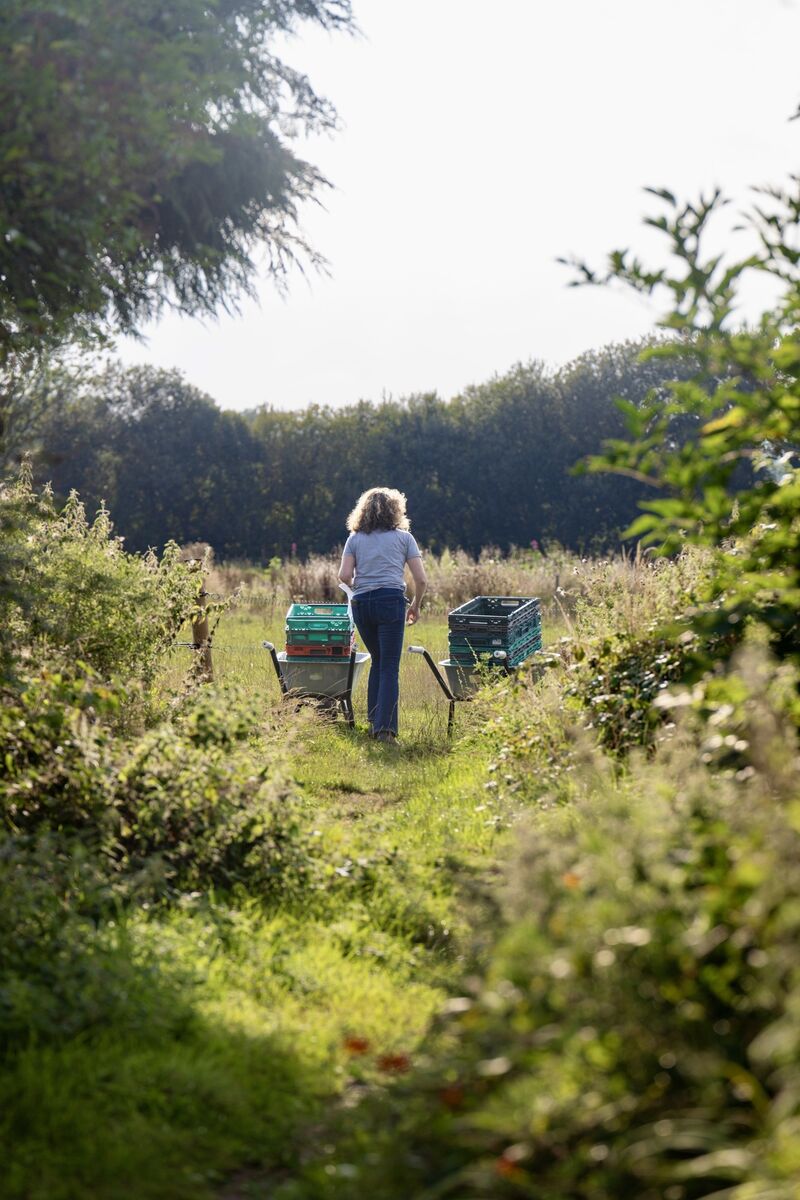
The meeting agreed on investment strategies, and he says this collaborative work is what keeps this type of farm going.
“We would love to see 20 hectare farms across the country — producing more veg, fruit, beef, pork, chicken, eggs and baking flour,” he says.
Earlier this year he spoke at an event hosted by the Cork Food Policy Council.
He called then for “a sort of matchmaking service” between farmers who do not have a successor and people like these volunteers who want to farm.
The average age for farmers in Ireland is 59, with concerns often aired about the challenge of finding a successor.
Then there are young farmers without land and this other group of people who want to grow food for various reasons but do not want to own a farm.
Now, standing on his own farm, Mr Murphy gestures around with a trowel and says many people even in this rural area would not have access to farming land.
“There is a lot of people who are interested in growing their own food, and in investing in growing their own food,” he says.
"I've had a lot of interest from other farmers and other land-owners."
In the next row retired dairy farmer Conor O’Brien is hard at work pulling leeks.
He lives near Mitchelstown and is now considering setting up a similar venture.
“You begin to see the connections between what you give to the soil, what you give to the animals and what you take yourself,” he says.
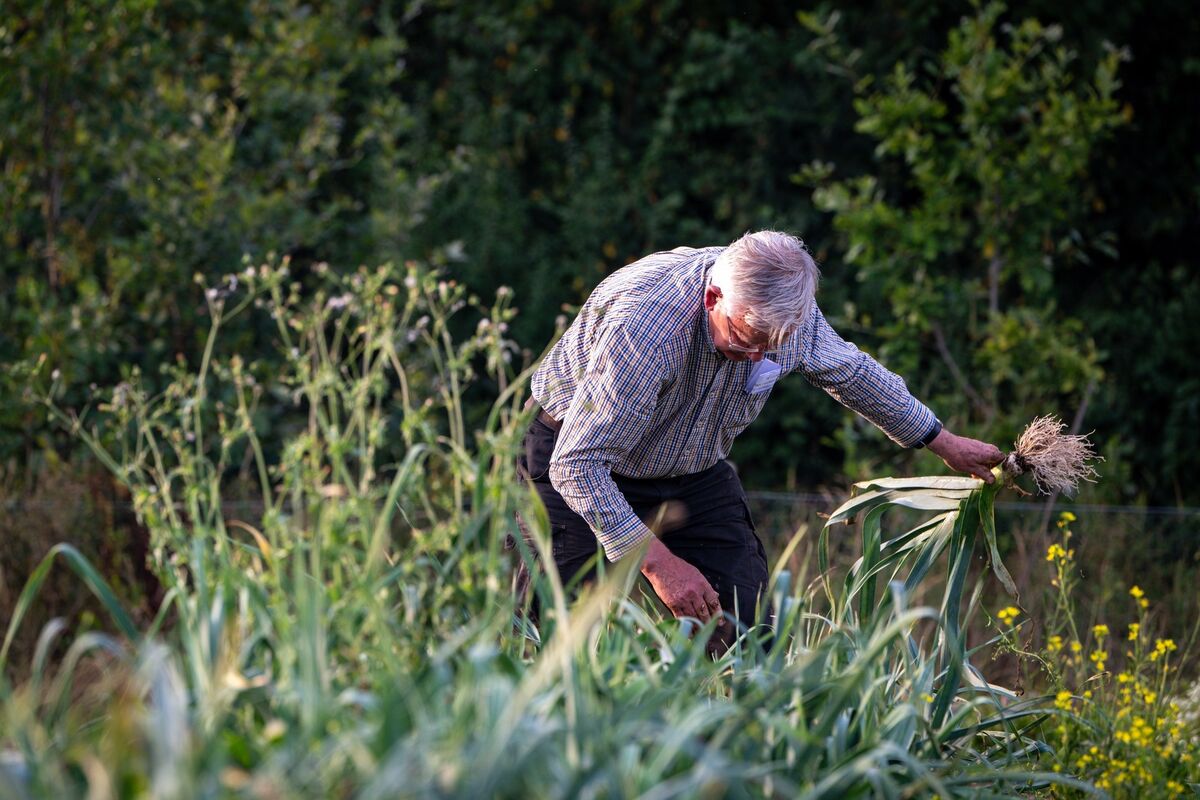
The community on the farm is key for him, and he highlights how this restores something being lost in wider society, saying: “The biggest thing to me is food is social but we are doing everything to break it into individualistic pieces instead.”
He comes out to the farm at least once a week.
“I just want to see how it work, it’s the social part that makes it different. If I was at that at home, I could have a fine garden but it’s not social,” he says.
He is also interested to learn about caring for the crops from John, saying: “I could learn enough over time alone but why should I learn all this when other people know it?
“I’m quite happy to do this.”
Gathering up his collection of leeks, he says: “If you want to see change, don’t wait for the Government to do it and don’t crib about it.
“If you want change start at the bottom and start doing things with people.”
CONNECT WITH US TODAY



Be the first to know the latest news and updates