Women of Honour call for stronger support for Defence Forces Tribunal witnesses
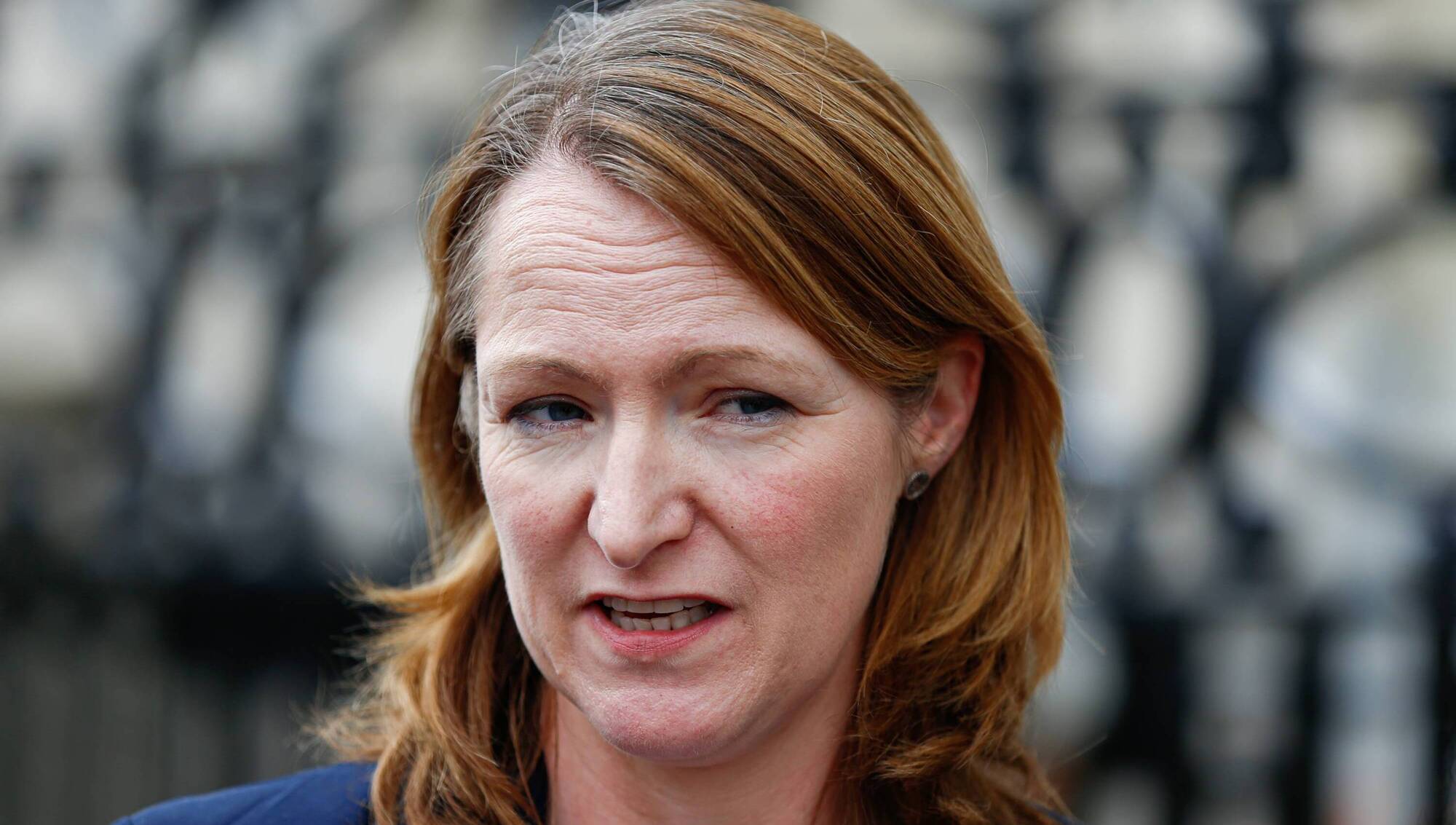
Diane Byrne: 'We have consistently raised the issue that support services need to be put in place.' File picture: Damien Storan/PA
As the first round of public hearings draws to a close, pending the resumption of evidence in October, there are still a few elephants in the Defence Forces Tribunal room.
One concerns the level of appropriate, one-to-one support available to witnesses who have given evidence of alleged rape, sexual assault, and child abuse within the Defence Forces.
Another is whether those accused of criminal wrongdoing will face investigation.
The Women of Honour group and former members of the Army Apprentice School have called for stronger supports for victims and witnesses appearing before the Defence Forces Tribunal.
They are also seeking a dedicated Garda mechanism through which tribunal witnesses can make detailed criminal complaints against alleged perpetrators of abuse.
Read More
The calls from Women of Honour and former army apprentices come after it emerged that a woman who told the tribunal she had been gang-raped received “little or no” one-to-one support before, during, or after she gave evidence.
The calls came as a number of witnesses who appeared during the tribunal's first module of public hearings said they were provided only with a sheet containing contact numbers if they required support.
Several also said that, while giving evidence, the only assistance offered if they became distressed was the opportunity to pause proceedings and have a glass of water.
A spokesperson for the former Apprentice School apprentices told the : “We accept the role of the tribunal is limited, as it stands today.
“But men and women are making serious allegations yet it is as if they are talking into some kind of an accountability vacuum.
“We honestly feel any one of us could have reported a murder in our evidence and it would not have surprised me if we never heard another word about it from either the tribunal or gardaí.
“People need to remember that a teenager killed himself in an army barracks because of the abuse he endured.
“Other men also took their own lives after similar treatment.
“There needs to be accountability, otherwise what message does that give abusers still in the army?
“It lets them know they have got away with it and will probably always get a way with it.”
The spokesperson added: “It is bad enough that there are no on-site support services.
“But it is outrageous that nobody has been assigned from within the gardaí to specifically handle allegations being heard at the tribunal.”
A spokesperson for the Women of Honour group said while they are aware that support services exist, they don’t believe they are adequate.
They said that for the past five years, they have repeatedly called for dedicated, independent support for those affected by Defence Forces abuse and mistreatment.
They said: “During that time, we have invested hours supporting those affected, developing processes and safeguards needed, preparing detailed proposals, and engaging with successive ministers and officials.
“We have repeatedly explained why we believe a dedicated, independent support service is needed.
“Yet we have never had the opportunity to properly discuss our proposal with independent specialists in counselling, trauma, or survivor support acting on behalf of the State.
“We have not been given a substantive explanation as to why the framework we have proposed is considered less suitable than the approach being presented.”
The group says support for survivors of institutional abuse in the Defence Forces should be designed around “a proper understanding of their experiences, not simply around what services already exist”.
One member of the Women of Honour, Diane Byrne, added: “We have consistently raised the issue that support services need to be put in place.
“Last December, we put in a funding case.
“We got nowhere, because in exchange for funding, we were asked for the details of everybody who wanted to use our support services.
“We were also asked to provide a full list of the members of the Women of Honour.”
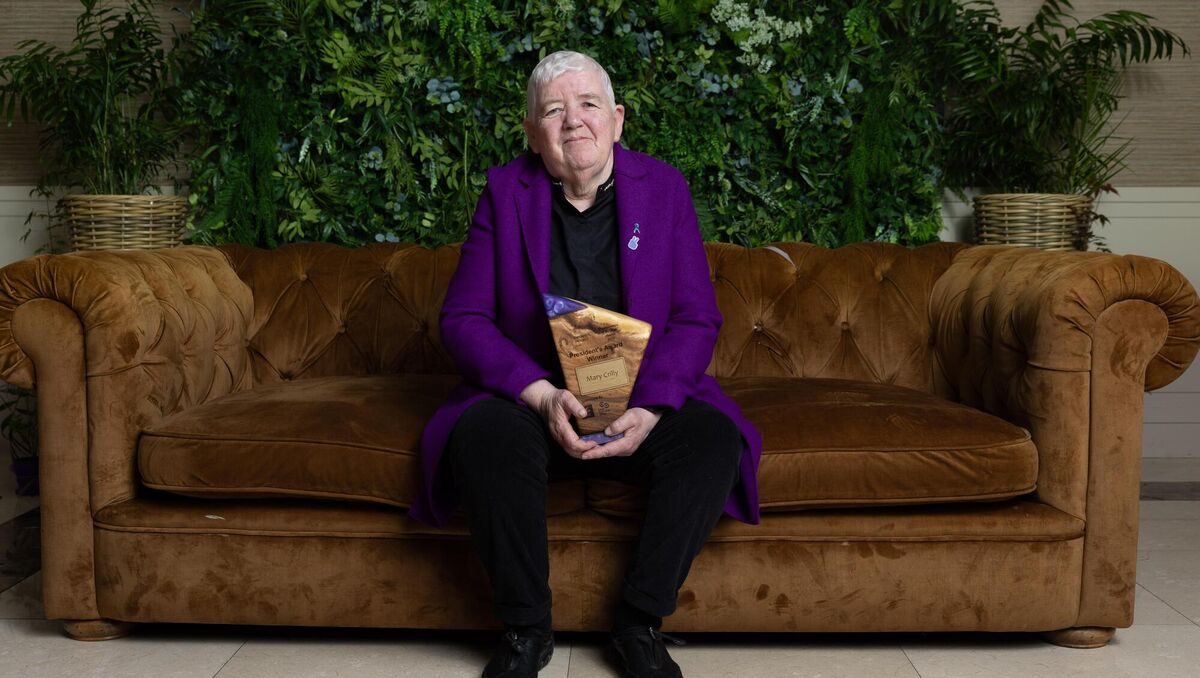
Mary Crilly, a Cork-based advocate for abuse survivors, said fully funded one-to-one support should be made available to all tribunal witnesses, regardless of the nature of the abuse they allege they suffered.
She described the lack of such a support service as “dangerous”.
Ms Crilly said: “They shouldn’t just be given a number and told to ring it.
“People who have been quite traumatised to start with end up being retraumatised in giving evidence.
“Being expected to just go home afterwards is wrong.
“It can take quite a long time to give evidence and to speak about abuse but then to be just left go is really, really dangerous.
“I think it is further abuse. People who give evidence should be afforded support before, during, and after they give evidence.”
The Department of Defence has defended the support it has in place.
A spokesperson for the department said all serving members of the Defence Forces can access the Lena by Inspire counselling service, which offers customers a 24-hour helpline.
They said this independent, external confidential service is also available “as an additional avenue of independent professional counselling” for anybody who engages with the tribunal in any capacity.
Former personnel who have engaged with the Raiseaconcern platform, which logs allegations of wrongdoing and passes details on to the defence minister, can also access the Inspire service. It is an independent organisation that manages whistleblowing schemes for employers.
The spokesperson said Raiseaconcern is also available for both serving and former members of the Defence Forces.
They said the Defence Forces’ personnel support service assists members and their immediate family with the provision of information and advice on areas including stress management, counselling, and referral options.
They added that in relation to counselling services, the HSE national counselling service is available for anyone who feels they may need professional counselling support after dealing with Raiseaconcern or Lena by Inspire.
They pointed out that the HSE has advised the Department of Defence that “a comprehensive package of specific support measures” could be put in place for Defence Forces abuse victims.
It is awaiting details from the Women of Honour on how many people need help, what type of help they need, and where they are based, said the spokesperson.
They pointed out that the tribunal and its team received “some formal training” on best practice when engaging with people who have experienced trauma.
They said: “The tribunal and its entire team benefitted from important training in this area.”
The department spokesperson said that in relation to criminal activity, “anyone who may have suffered a wrong of a criminal nature, whether recent or historic”, should go to gardaí themselves.
Gardaí told the they haven’t issued any invitation specifically asking people who believe they were a victim of a criminal act relating to the Defence Forces in Ireland to contact gardaí.
A spokesperson added: “An Garda Síochána does not comment on tribunals while they are sitting.”
The solicitor for the tribunal, John V Nolan, said: “The tribunal has no role to play in the investigation of criminal offences, nor are the tribunal proceedings an impediment to any other investigations, including those conducted by An Garda Síochána.”
CONNECT WITH US TODAY



Be the first to know the latest news and updates