'You can always hear the screaming': Surgeon reveals horrors of mission to Gaza
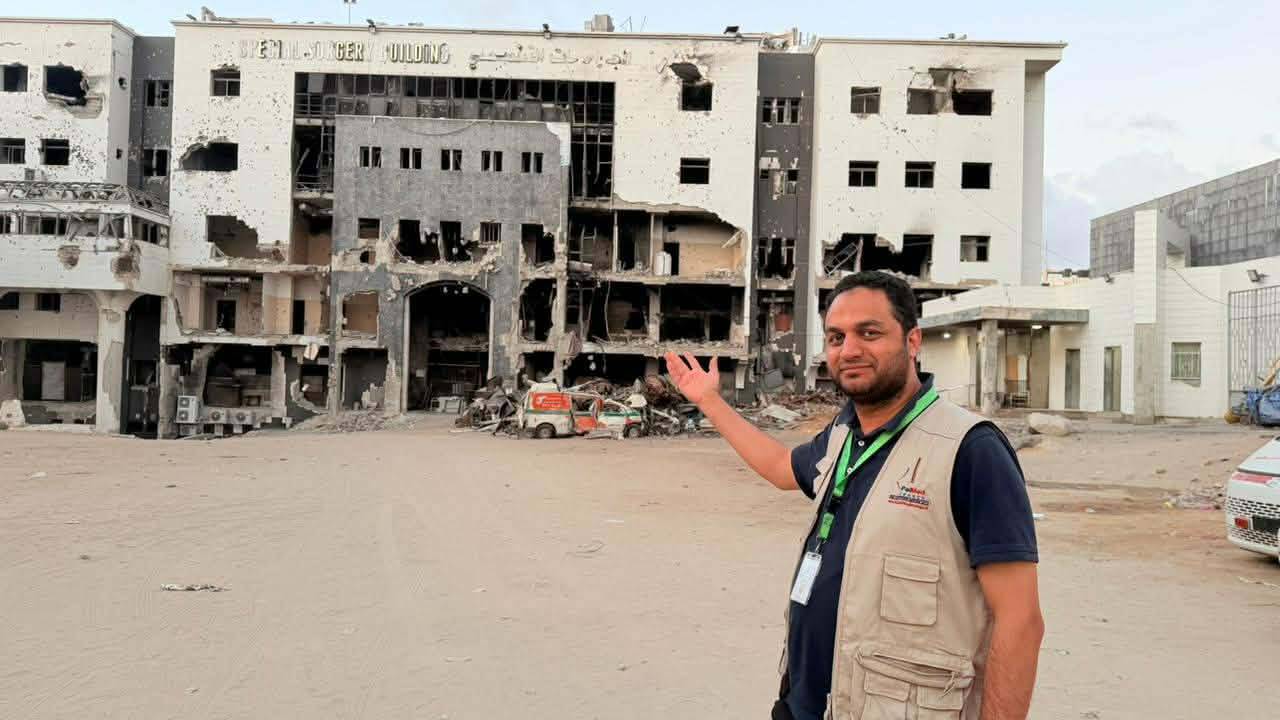
Galway-based surgeon Mohammed Daoud outside Al-shifa hospital in Gaza where he travelled to perform life-saving operations.
Mohammed Daoud is still haunted by the screams echoing through one of the last remaining units at Al-shifa hospital in Gaza.
Ironically, much of them were coming from the doctors themselves who faced a horrifying choice no medical professional should ever have to make. “It’s what happens when you have to choose which patient gets to live or die,” Mr Daoud told the .
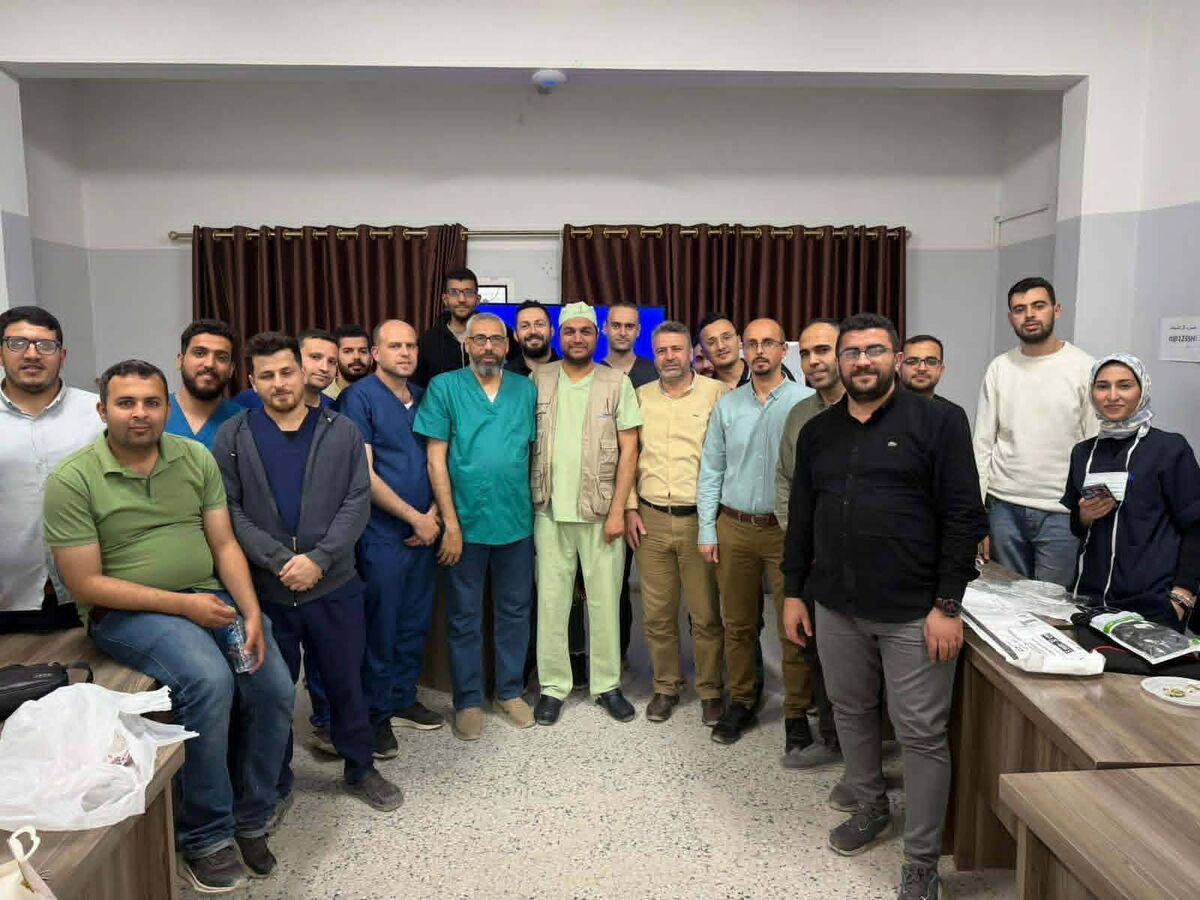
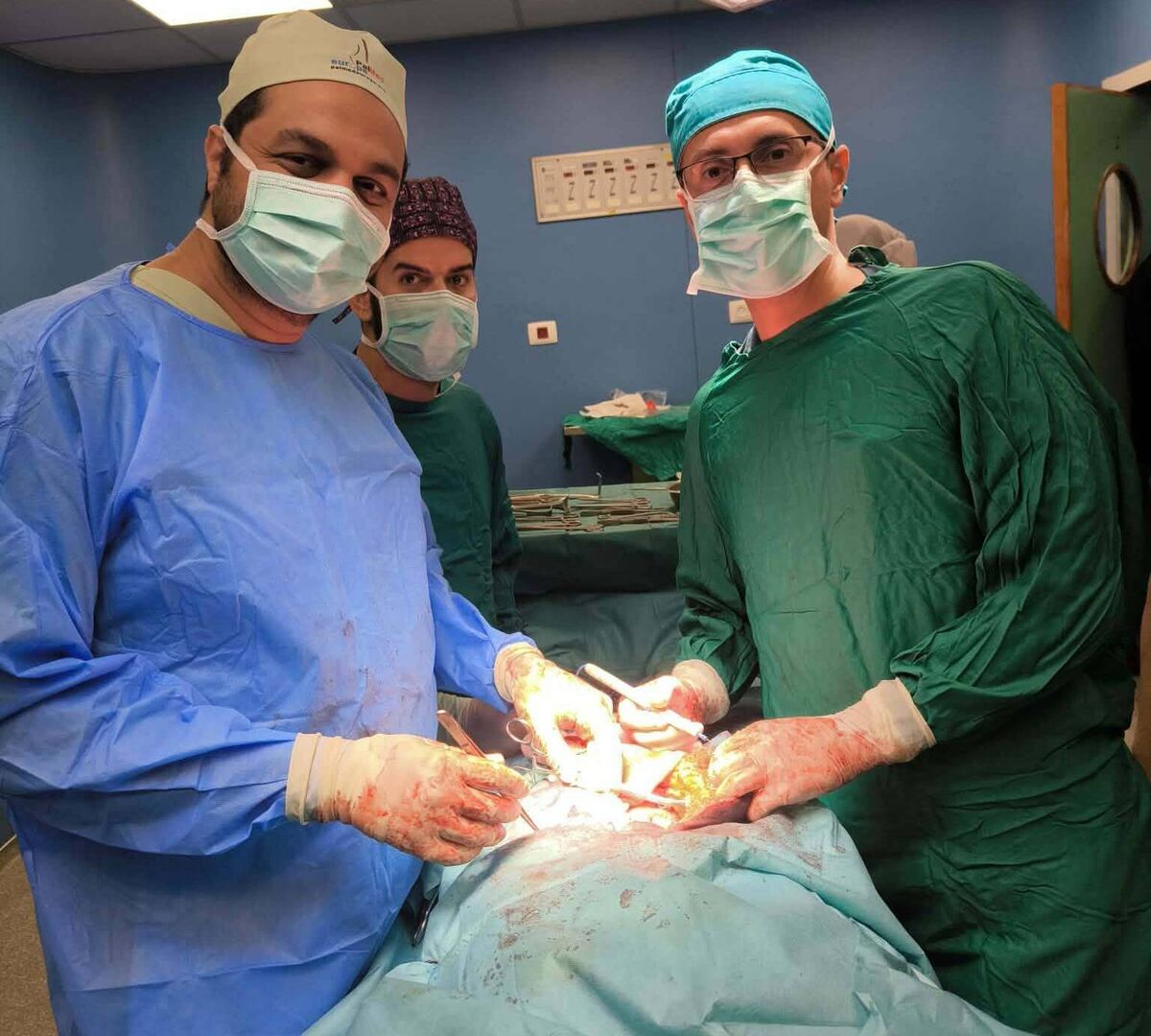
The consultant in general and upper GI at Galway University Hospital is still shaken after his recent trip to Gaza where he assisted with several operations as part of a complex medical mission. Mr Daoud said he felt compelled to shine a light on the suffering of Palestinians after spending more than three weeks tending to patients in the region last month.
The father-of-three is one of few Irish-based consultants to have been granted access to beleaguered Al-shifa hospital, which is in the northern part of the Gaza Strip. Staff are forced to operate in a building that has become a shadow of its former self with scant resources and unbearable conditions.
Read More
It comes after the hospital’s employees and patients found themselves under siege by Israel in mid-November of 2023, followed by a devastating raid by Israeli forces in March 2024. Mr Daoud said the medical complex has now been reduced to a cemetery, referencing the hospital courtyard where a number of Palestinians were buried during intense unrest.
The conflict blocked access to graveyards, resulting in the unofficial mass burial sites. Efforts by rescue crews to recover bodies from the rubble are ongoing. It is believed that dozens have since been exhumed and transferred to official burial grounds.
Nonetheless, Mr Daoud, said the stench of death in Gaza is never too far away.
“You have to choose which patient you will take because there are so many casualties. You can always hear the screaming in the background.
Saying goodbye to his family was an emotional experience. “It was my first time ever visiting Gaza. Preparing myself was not easy, nor was it easy for my family.
"I knew from what I heard that there was a chance I may not make it out. That’s why I did my will before I went. I tried to chat with my family until they accepted it. My close friend was informed but I never told my mum about the mission. I knew she would be terrified so I decided to wait until I got back.”
Even making it to Gaza was a monumental struggle. After applying to travel there through the World Health Organization, the frontline worker wasn’t sure if he would ever reach his destination.
“I sent everything that was needed including my CV and passport to this international organisation. There were no issues with the World Health Organisation but you can’t get approval from the IDF until 12 to 24 hours before the mission.
"There is a lot of preparation that needs to be done in advance. You have to make sure there is someone to cover you at work and pay for your flights, knowing there’s a chance that they might not leave you through.
"One of my friends brought suction with him to clear blood and fluid from the body. It was just a small bit of metal but they took it out and he was sent back.
"There were 15 vehicles in the United Nations convoy but ours was the only that wasn’t bulletproof. We were only able to have $300 with us. If we were found with any more we would be sent back.”
Mr Daoud, originally from Egypt, travelled to Gaza by bus via the Karameh crossing and West Bank before finally reaching the hospital. What he witnessed there had a profound impact on his psyche. A 40-year-old man, who required a sigmoid colostomy, was among the cases that deeply affected him.
“This man was beside a building where an airstrike happened. Some shrapnel went from one side to the other, shattering his left colon. We are talking about someone who is not capable of doing harm to anyone.
Another disturbing case involved a child who underwent a semi amputation of the right forearm following an explosives injury. He described the suffering of Palestinian children as a “shame for humanity,” and said his own kids — Ruqaiyah, 11, Razan, 10, and Aya, 3 — have all played their parts to help.
“I was able to give out goody bags prepared by my children to bring to Gaza and it was very lucky, because if I went through customs they would have been taken from me. I’m really glad that didn’t happen. There were balloons, cookies, toys and everything they could have wanted in the bags. Despite everything that has happened to them they are still smiling.”
He also acknowledged the steely resilience of the Palestinian people.
“It’s very interesting to see the belief people have in their hearts. They believe that Allah will help them achieve victory and this is something they live for. The belief is that victory is promised. Knowing that victory is coming, even if it takes 100 years, is what keeps them alive.”
Highlighting the lack of resources, he said cancer treatments are limited at the facility.
“There was one woman whose breast we would have been able to save had she been here in Ireland or any other country. However, in Gaza there is no radiotherapy so she had to lose her breast which was a disaster.”
He said that everyone in Gaza has a story.
“The head of the department told me that his neighbour and his neighbour’s wife are still under rubble because nobody can get to them. These kind of stories are very normal in Gaza. There is no stone upon stone because the whole city is destroyed.
"The IDF are destroying any electrical supply, any water generator. they destroy any sign of life. Houses are ruined so you are seeing 10 to 15 individuals in tents with only salty water because there is no proper treatment plant to purify the water.”
The consultant knew his safety was never guaranteed.
“You have to get approval to get out of Gaza so even being able to leave is not guaranteed. I only really felt safe when I got my exit permit. I waited till I was out and safe to tell my mother, who lives in Egypt, about where I had been. She cried and just said 'thank God you are safe'.
"The time I was away was difficult for my wife. Of course she was proud when I made it home but the happiness came from her knowing that I was still alive.”
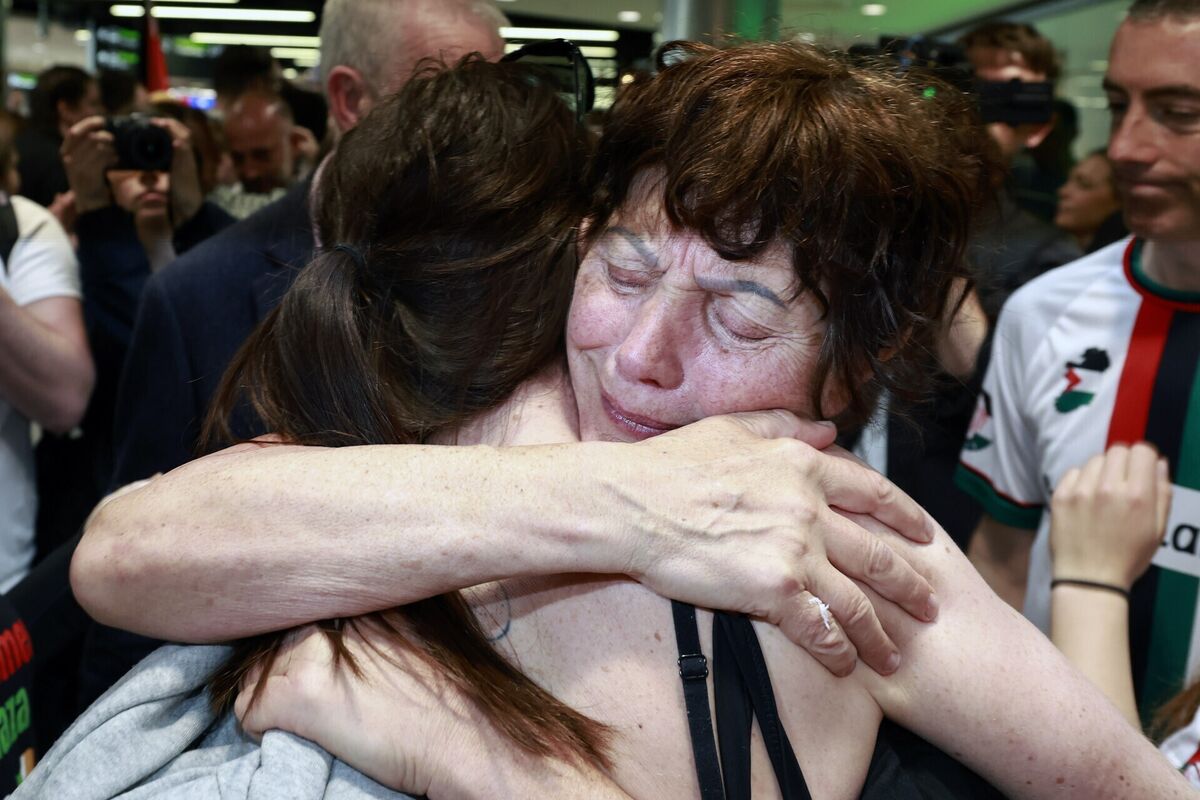
Mr Daoud said the actions of Irish flotilla activists like Dr Margaret Connolly and Catriona Graham make him proud to be an Irish citizen.
“I am very affected, the same as a lot of people around the world. We are witnessing this systemic killing every day through the news and social media.
"I really felt like I needed to do something to help. I didn’t want to be silent. Ireland is a very inspiring country. There is a march every Saturday in Cork and in Dublin for Palestine. I know that I also need to help as much as I can.
"To me people like Dr Margaret Connolly and Catriona Graham are heroes. After what we saw in that footage it’s difficult to think about what is happening when the cameras are off.”

CONNECT WITH US TODAY



Be the first to know the latest news and updates