Ireland authorised €1.65bn ‘dual-use’ exports last year
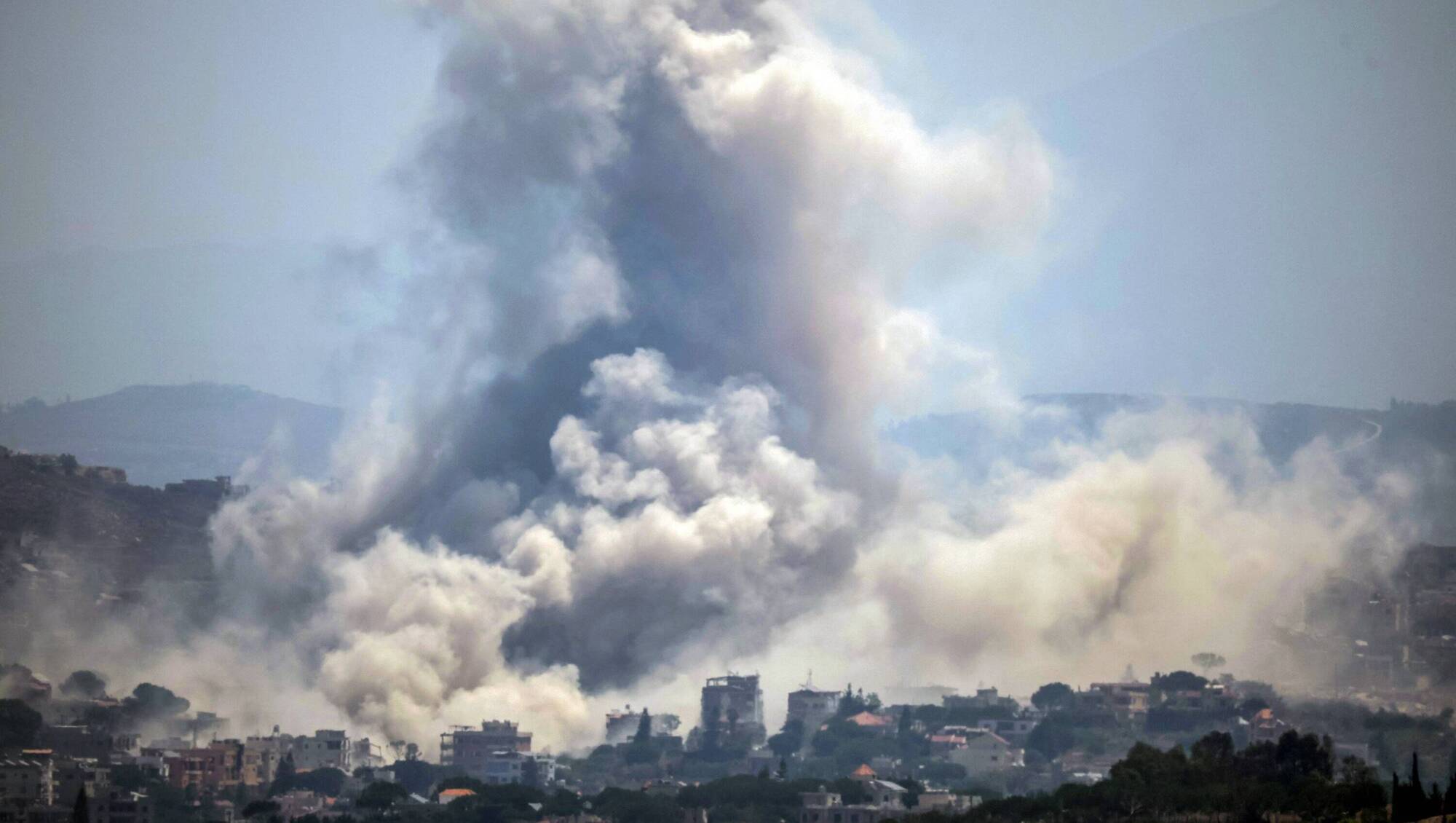
Smoke rises over the village of Kfar Tibnit in Zawtar al-Sharqiyah in southern Lebanon after a missile strike by Israeli military forces on Thursday. Picture: Ibrahim Amro/AFP/Getty
Ireland authorised the export of more than €1.65bn of items that can be used for military purposes in 2025, with goods going to warring nations such as Israel, the United Arab Emirates, and the US.
‘Dual-use items’ encompass goods, software, and technology that can be used for both civilian and military means.
European regulation seeks to ban the export of dual-use goods used in connection with “weapons of mass destruction or violations of human rights”.
Cormac Little, senior counsel at William Fry and head of the law firm’s competition and regulation department, said exporting companies act under the umbrella of EU legislation: “There is a telephone directory of annexes to that [EU] regulation.
“You basically look at the annexes, which are split into 10 different categories, and then within those categories, there’s a myriad of sub-categories and sub-sub-categories.”
Mr Little added that “it’s not getting any easier” to identify what dual-use items can end up being used in active combat.
Saudi Arabia (€350m) and Ukraine (€295m) were the largest recipients of Irish dual-use goods in 2025. Total exports to Israel decreased from more than €64m in 2024 to just above €3m in 2025.
Two dual-use exports to Israel were denied, alongside two to Afghanistan. The combined value of the proposed exports was €2.96m.
The Department of Enterprise did not comment on the reasons behind the refusals or why the value of Israeli exports nosedived between 2024 and 2025.
A department spokesperson said: “If there are any concerns that the goods being exported will not be used for the end use or by the specified end user as detailed in the application, or if the exporter does not provide enough information on the intended end-use to make an informed decision, the application for a licence is denied.”
The overwhelming majority (€2.95m) of exports to Israel in 2025 were ‘category five’ dual-use goods, classified under the umbrella of telecommunications and information security.
Around €118,000 of ‘category zero’ goods — nuclear materials, facilities, and equipment — were also exported.
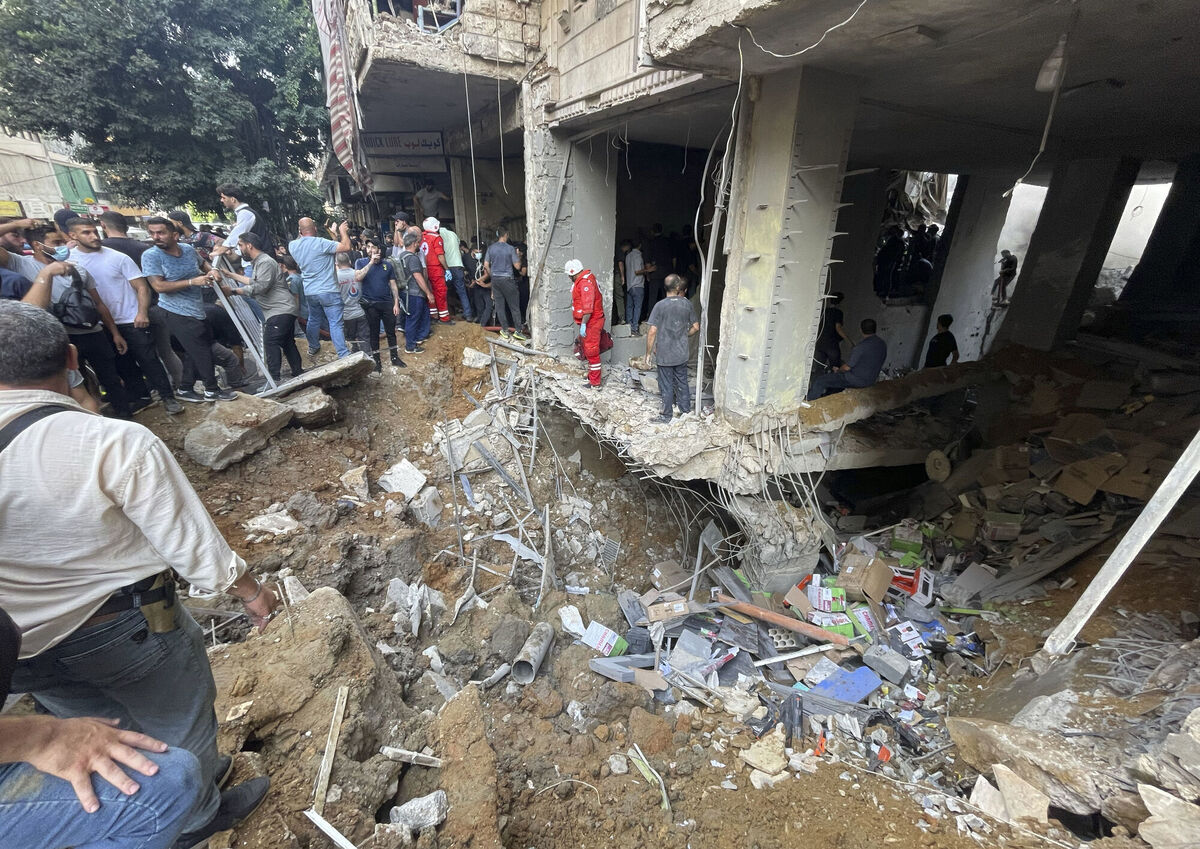
Independent senator Alice-Mary Higgins said while telecommunications and information security may sound benign, they could be part of AI’s increasing role in human conflict.
She said: “Information technologies can sound very neutral. But what we know is that some of the most appalling and experimental and human rights-incompatible forms of military action that we’ve seen used upon the people of Gaza and other Palestinians have been through this kind of information technology.”
Independent senator Tom Clonan, who served as a UN peacekeeper, said Ireland may be at the centre of “civil-military fusion” because of the domestic tech sector.
He said: “This relates to the enormous changes in the technology around weapon systems, particularly in the incorporation of AI into the targeting and target acquisition systems being used by weapon systems all around the world.
"As a consequence, many dual-use items that we’re manufacturing and exporting, including tech services and goods, are capable of being used by belligerent parties in conflicts around the world.”
CONNECT WITH US TODAY



Be the first to know the latest news and updates