Rivers of Munster: Suir 'probably the reason Clonmel exists in the first place'
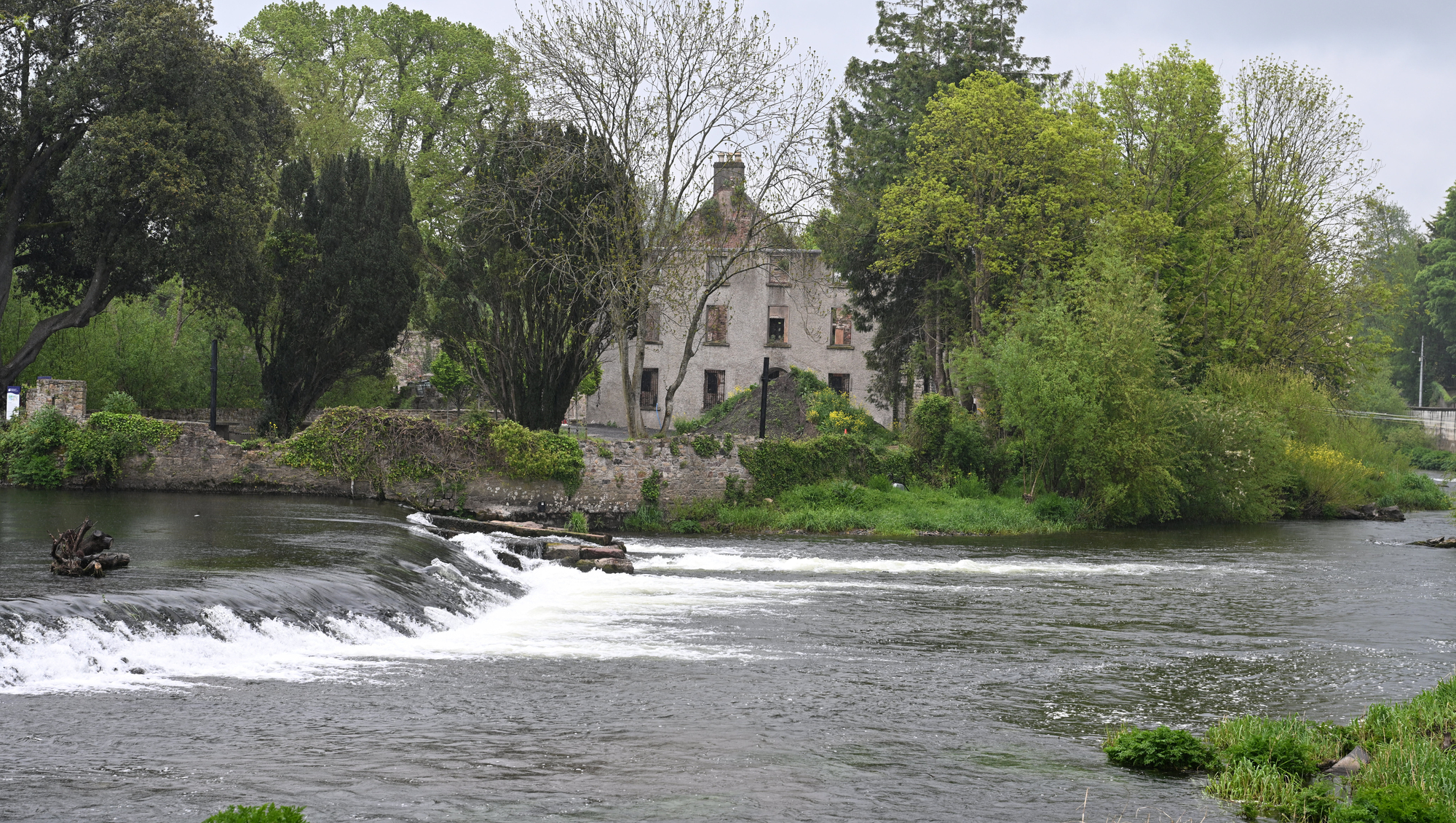
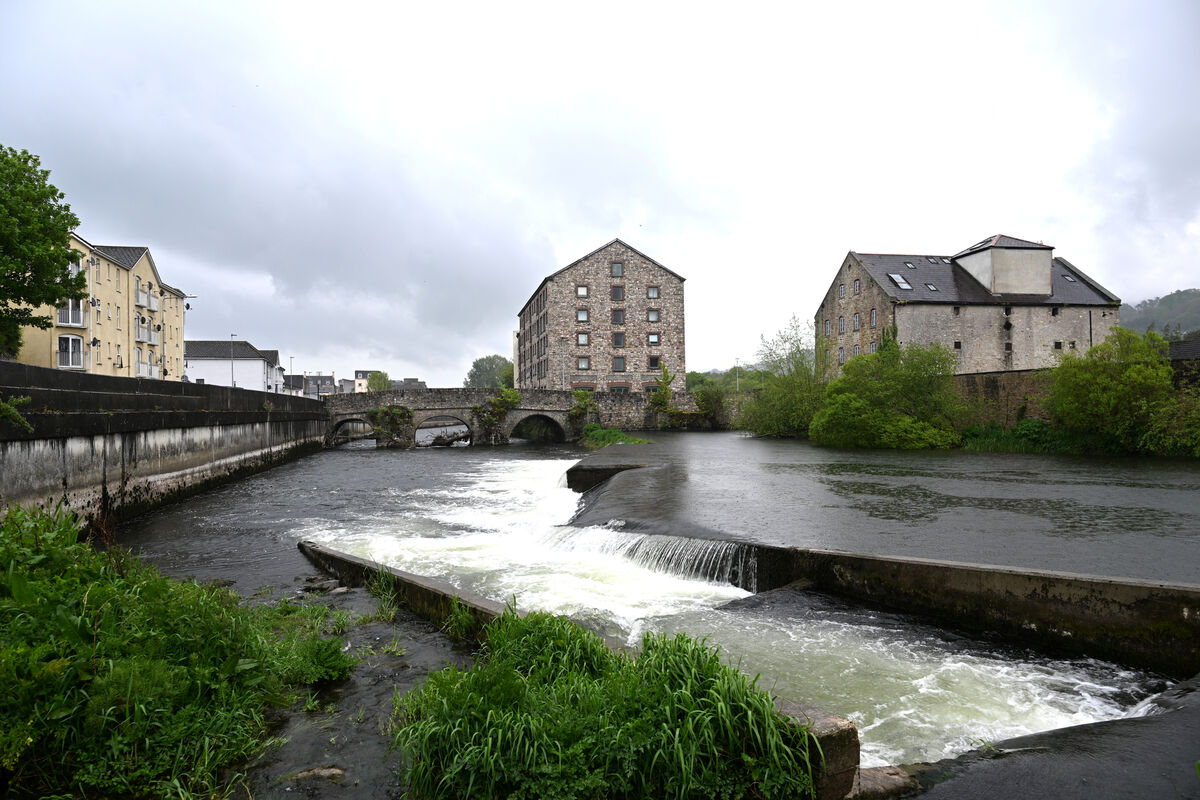
A view of the Suir weir from the Old Bridge at Clonmel, Co Tipperay. Picture: Larry Cummins
The Suir is one of our great rivers, flowing through towns like Thurles, Carrick-on-Suir, and Clonmel before passing Waterford and meeting the Barrow to enter the sea.
In Clonmel, the Suircan Environmental Forum was founded in 2009, with managing and understanding the Suir, and maintaining the health of the river, among its aims.
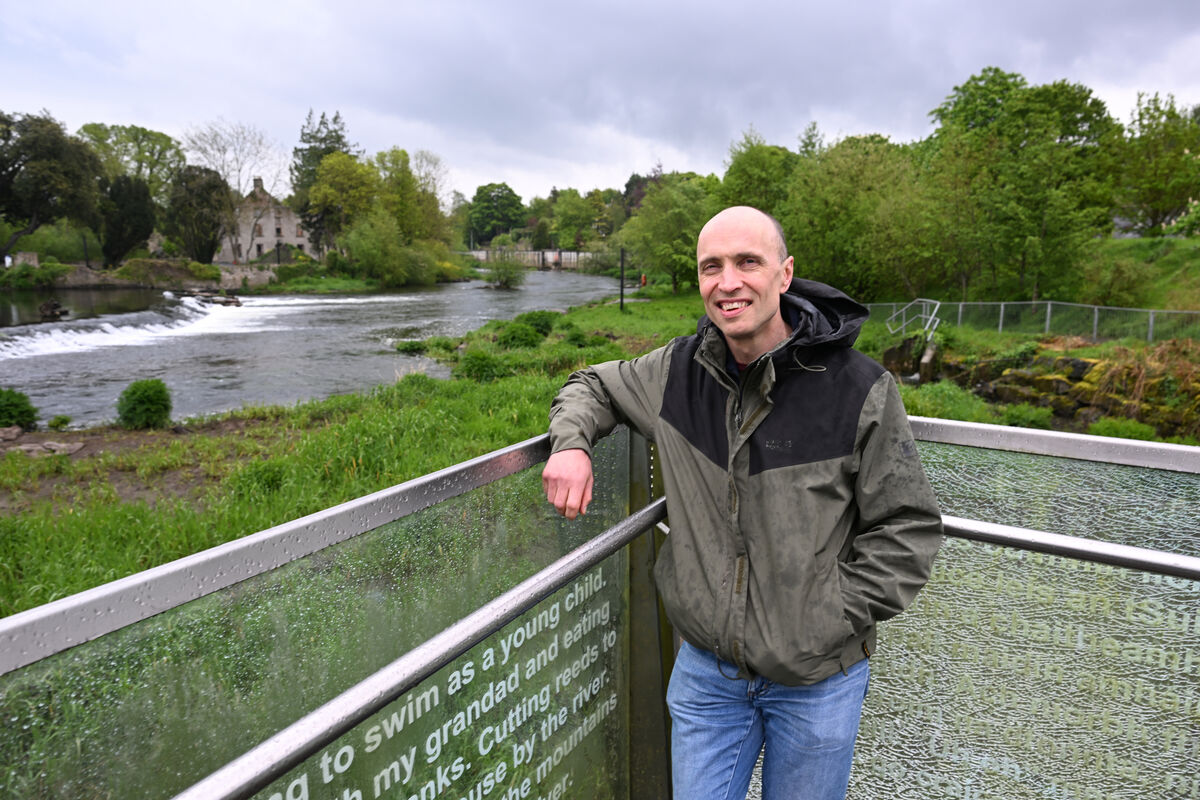
Mike Fitzgibbon of Suircan put the river in a local context: “Historically the Suir is hugely important to the wider area, and to Clonmel in particular — it’s probably the reason Clonmel exists in the first place.
"There were mills in the area giving employment for a long time, though changes in industry obviously had an impact on those eventually, and they shut down.
CLIMATE & SUSTAINABILITY HUB
“Clonmel is a pretty industrialised town now, but the river obviously isn’t central to the operation of those new industries in the way it was in the past.
“Suircan got going about 15, 16 years ago and started dealing with the local authority with particular reference to Suir Island, that was a big focus of ours at the time.
“It was abandoned, really, so there was a feeling in the town at the time that something should be done with it rather than leaving it in that state.”
A large island on the Suir, right in the middle of the town, Suir Island is a significant presence in Clonmel in more ways than one, says Fitzgibbon.
“There’s a bridge crossing it from one side of the Suir to the other, and that connects one urban area of the town with another. But there’s also a whole other part of the island, a wild part, which people probably weren’t as aware of.
“It’s now becoming more and more central to the town again. The county council has done a lot of work on the island, in fairness — it’s a slow process but they’re making progress.
“For instance, there was a famous bathing area associated with the island years ago which had fallen into disrepair, and they [the council] have brought that back, they’re putting in seats and so on to improve it as a facility.
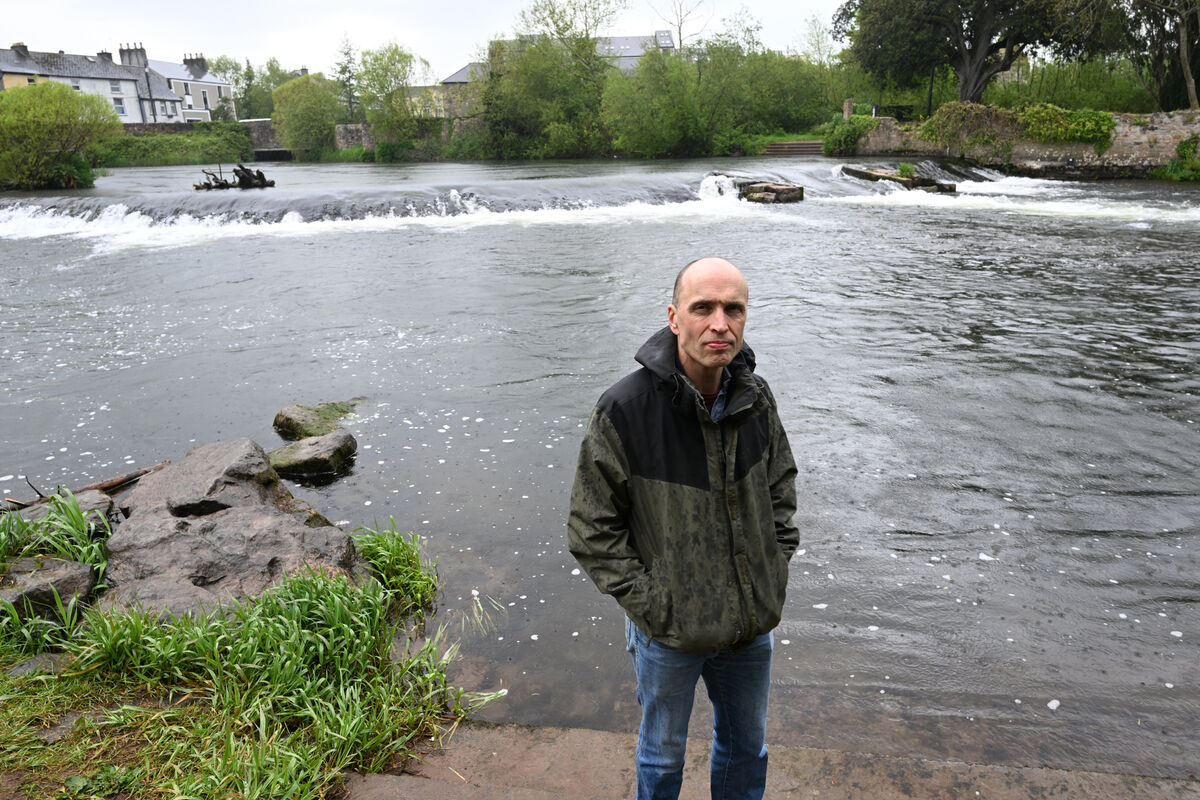
“A kayaking slalom course has been installed on the river as well in recent years.
“In general the river is coming back to being a central part of the town, from an environmental and a leisure perspective it’s becoming part of the psyche of the town. It’s a great asset to have and people are aware of that.”
Fitzgibbon doesn’t think it was “a big stretch” to convince people of the value of the river.
“It might have been a stretch in times past, maybe, to convince people that it was a valuable resource, and an asset to the locality, but not now.
“The work that’s been done on it strengthens that sense of it being an asset.
"Installing the slalom course on the river was instrumental in showing people its importance as an amenity, and the fact that there’s overnight camper parking available on the island also underlines its practical value to the area.
“It’s interesting to see how swimming in the river has changed in that context, in how the island is valued now. There was a time a few years back when it was the done thing for teenagers to go swimming off the island — the ‘bad boy’ thing to do, if you like.
"Now it’s not the bad boy thing to do any more, it’s just something that a lot of the kids just do anyway.”
For a long time the town suffered when the Suir flooded — “traditionally a challenge for Clonmel” is how Fitzgibbon puts it — but he points out that the flood defences that have been put in place are working.
There were hiccups along the way, mind. “A car park was also put on the island, and the run-off from that car park contributed to the flooding — that was something we got upset about, but it’s there now, even if the run-off situation could have been handled better.
“Something we have done a lot of work on when it comes to the river has been tackling invasive plant species, the likes of giant hogweed. We’ve done a lot of work on that over the years, clearing that hogweed, Himalayan balsam, and other species out of Suir Island and other locations.
"That’s what we would have been concentrating on in recent years.”
He says the county council has plans to bring people closer to the river by integrating the island even deeper into the lives of residents.
“The council is talking about creating pathways and walks around the island, which is a good idea. There are good wild areas for walks there — there are otters on the island — and we’d generally be supportive of that.
“The one concern that’s been expressed is that when you have people out walking they’ll bring their dogs, and we’d need to keep an eye on the impact that has on the otter population and other wildlife.
“There’s a balance that you have to strike because obviously it’s great to have people out in nature walking — it’s healthy, they’re meeting other people, the area is being used — but we need to be mindful of the wildlife as well.
“There are probably other areas along the river which would also be suited to those kinds of walkways — there’s a long walk you can take all the way down to Carrick-on-Suir — and we certainly need more of those facilities in the country.”
Are there other positives to be mined out of that foot traffic? Fitzgibbon teases out the implications of greater numbers using the island.
“If you look at it, a facility on the island might upset or disturb one or two otters, but you could also raise awareness about the wildlife in the river and the need to protect that.
“So for the sake of disturbing a couple of otters you could have thousands of people becoming aware of the wildlife and they could act to benefit a couple of dozen otters and other animals.
“There’s a plan to build a pedestrian bridge from the town centre to the island, and as an amenity it would be excellent.
"It would open the island up to the general public even more — there might be some concerns environmentally but on balance it’s probably a good idea.”
The Suircan group are readying themselves for more work on the river this year again.
“We haven’t been out so far this year,” says Fitzgibbon.
“When we started we were doing quite a bit, but we’ll get out and do some more work this summer.”
With a river there’s always work to be done.
CONNECT WITH US TODAY



Be the first to know the latest news and updates