Getting the goods: How the pandemic has provided opportunities for local suppliers
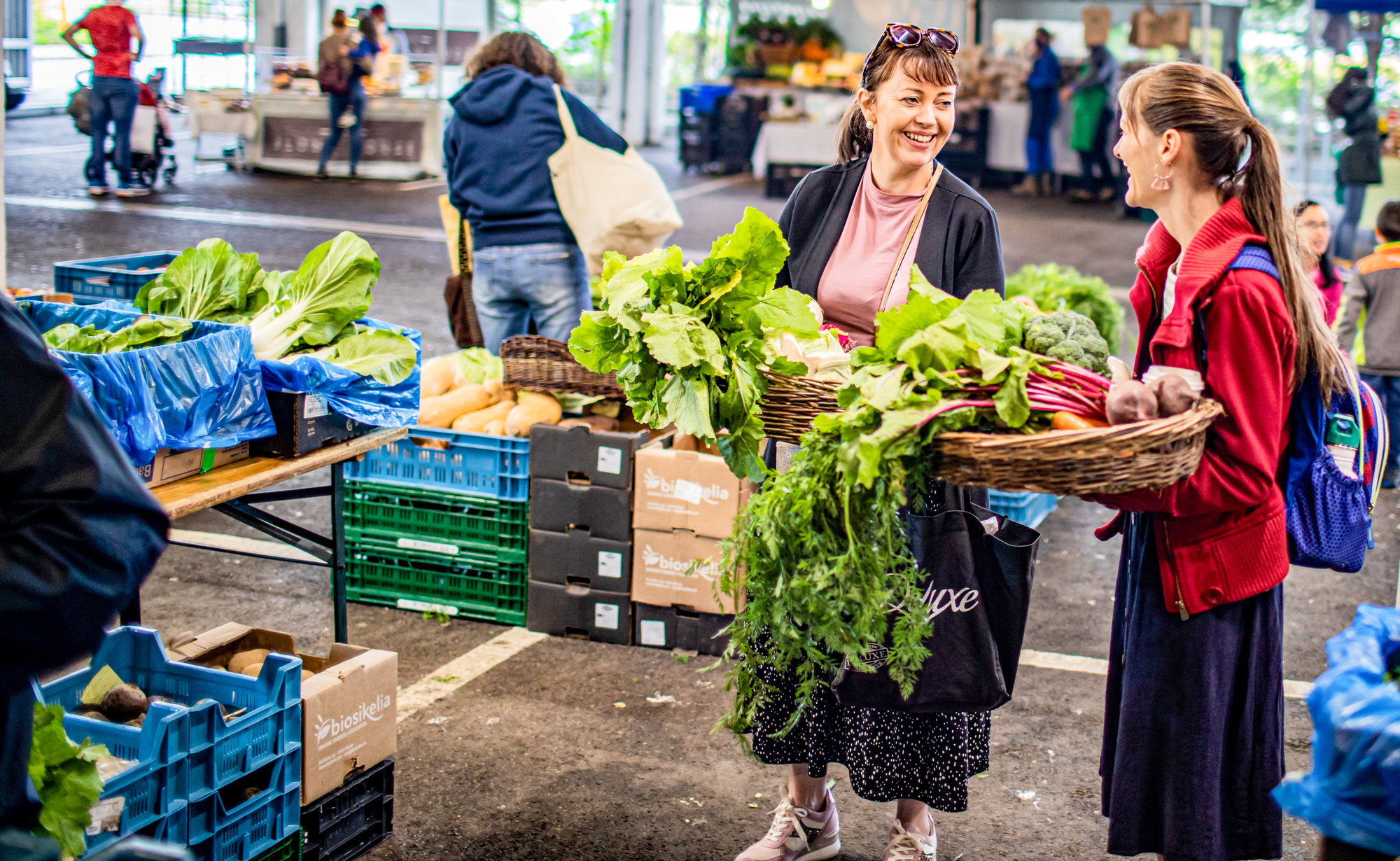
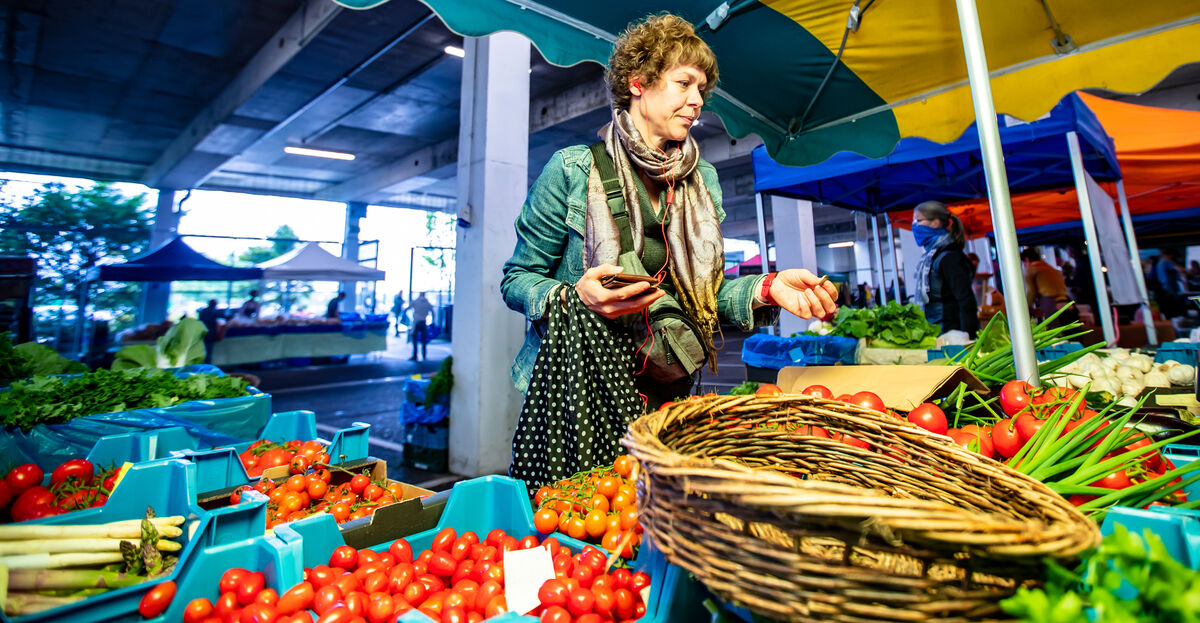
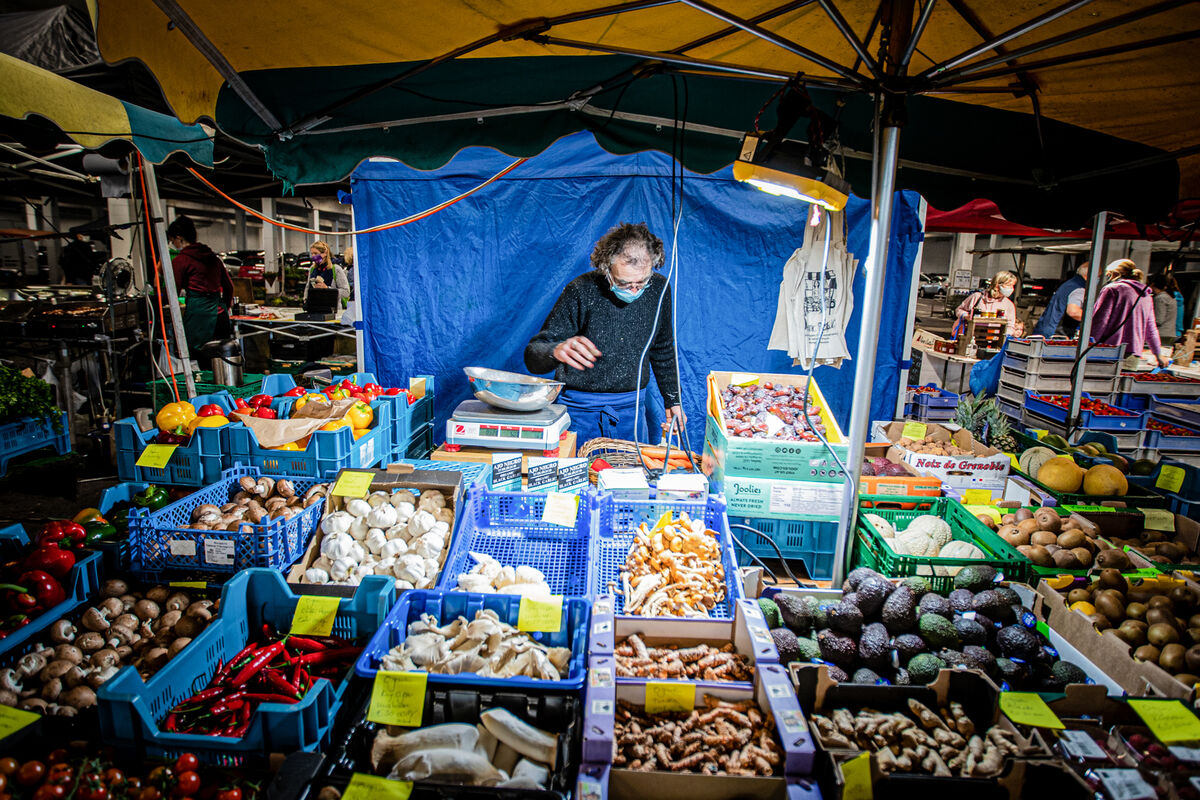
Fiona O'Hagan (Left) and Ruth Mahony (right) buying fresh vegetables at William Doherty's Organic Republic stall at Mahon Farmers Market, Mahon Point Shopping Centre, Cork. Picture: Neil Michael
If the pandemic threw up challenges to the import and export of goods in and out of Ireland, it also challenged the local supply of goods.
But with that challenge came opportunity, and in particular, the growth of online “click and collect” farmers' markets-style operations. Those already up and running before the pandemic hit were able to provide suppliers of local produce with a fully functioning platform to sell their goods.
But also, customers wary of being in contact with too many people were able to either order online for home delivery or order online and collect whatever they had ordered.
CLIMATE & SUSTAINABILITY HUB
While supermarkets too got into home deliveries in a big way during the pandemic, the new systems have been a boon to local food producers, many of whom suffered with restaurants closing.
It has also seen a growth in interest from shoppers keen to help local businesses. In addition, it has also seen increased interest and demand for organic food far and above what was once seen as little more than a fleeting food fad for the chattering classes.
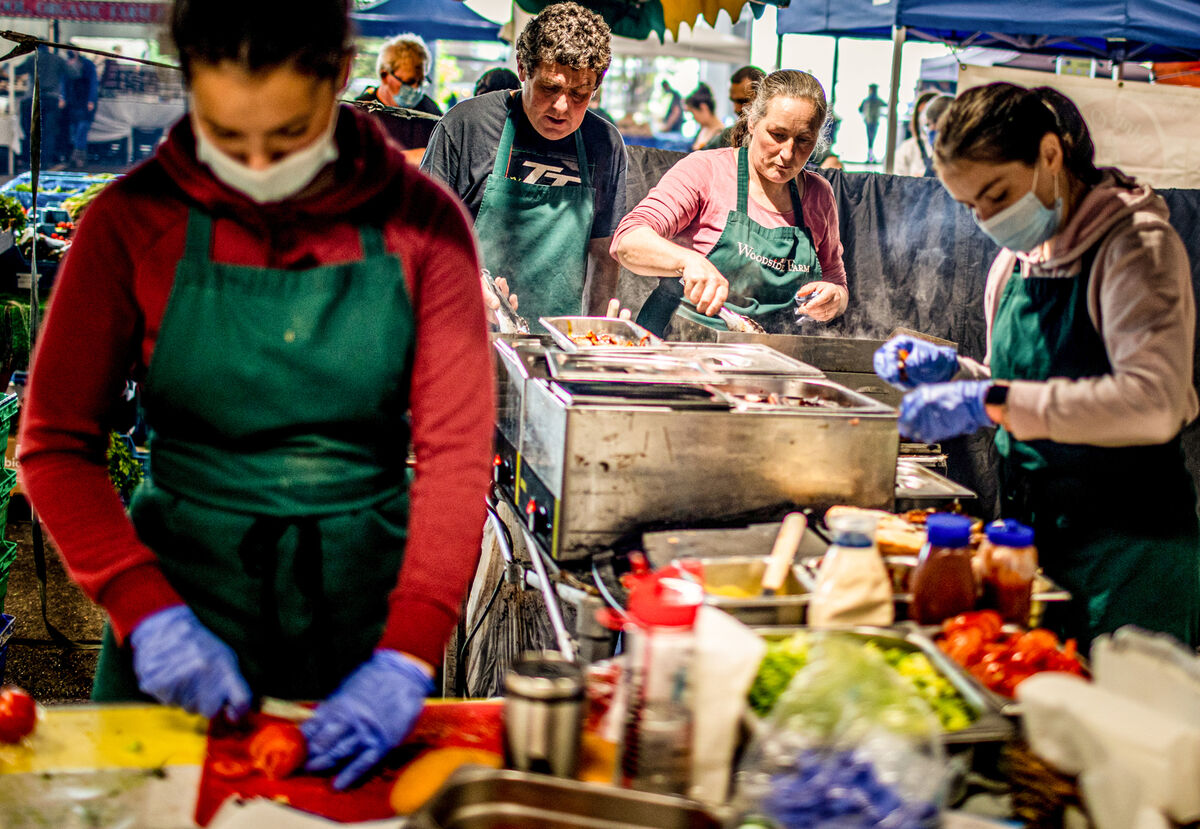
Sure there remain the likes of Ennis Farmers Market in Co. Clare, Dún Laoghaire People’s Park Market and Glasnevin's Honest2Goodness Market in Dublin. And there is also Limerick's Milk Market, the Galway Market, Cork’s famous Midleton Farmers Market and Mahon Point Farmers Market.
But there is also Neighbourfood nationally (but predominantly in Cork), Rocket Deliveries in Kerry and Galway’s Green Earth Organic, whose motto is “from our farm to your door”. They all either bring locally sourced farmers' produce to your door or you collect it from them.
Although the new “click and collect” or “click for delivery” online food markets like Rocket Deliveries and Green Earth Organic have been going since 2017 and 2006 respectively, perhaps one of the best known of these types of service is Neighbourfood.
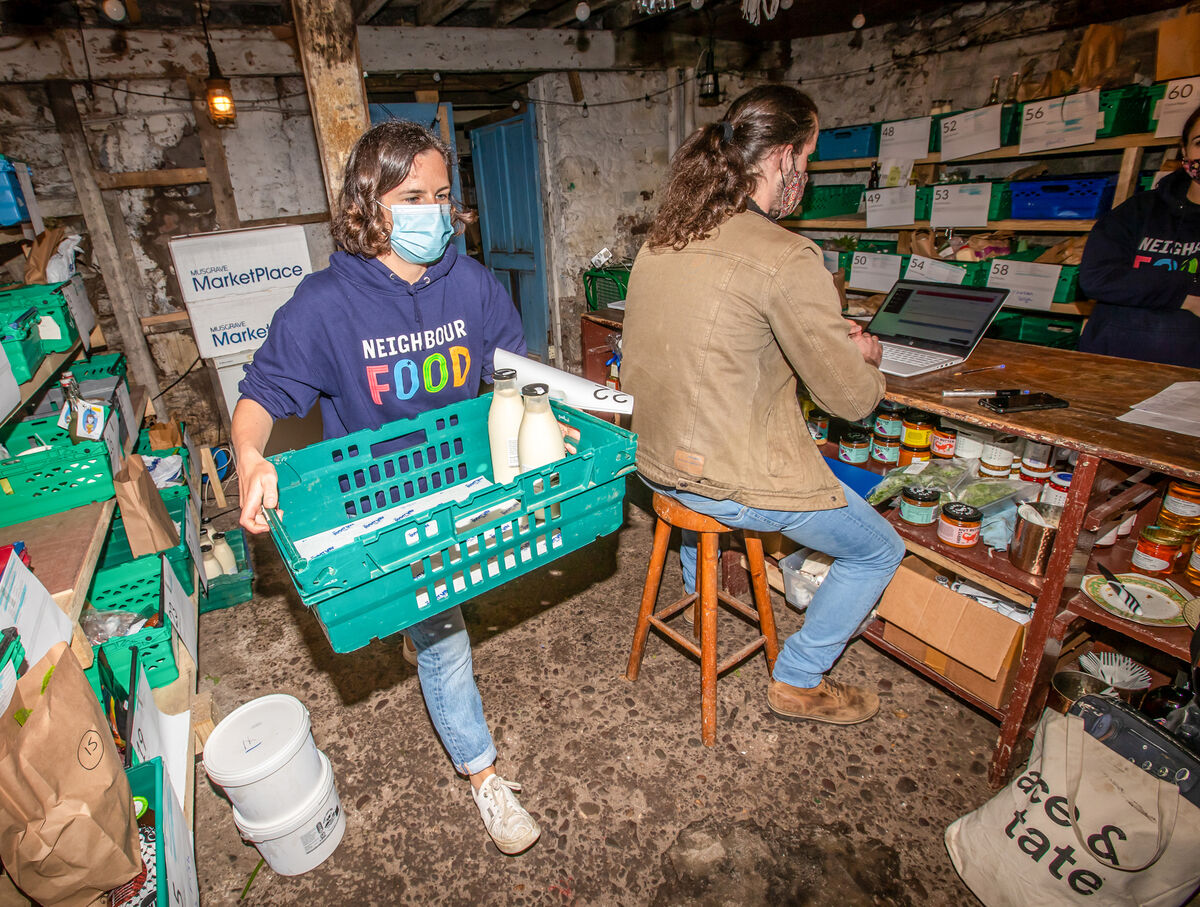
Set up in 2018, it is quickly emerging as another inner-city alternative to supermarket shopping. You go online, find a market that suits you, register, and then select and pay for what you want from up to around 51 different producers.
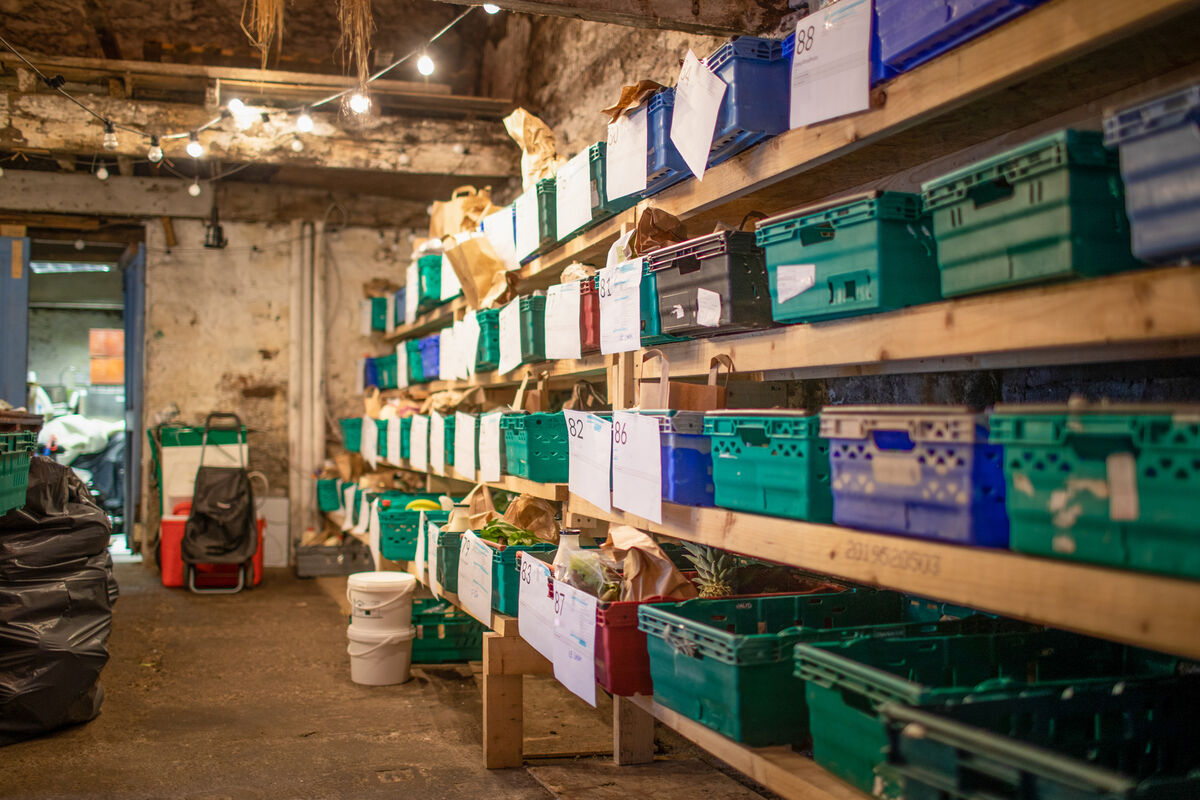
Then, a few days later, you simply pick up whatever assorted produce you ordered from a collection point, and you are done. Between parking and collecting your goods, it can take as little as a few minutes, which can hardly be said for those of us who still shop at supermarkets.
Neighbourfood co-founder Jack Crotty explains: “The first major difference between Neigbourfood and supermarkets is you order everything online, and when you arrive, there is a box ready, and you take it away.
“From a time-saving point of view, Neighbourfood is a lot more convenient and tends to be in a more accessible area, and they don't need huge real estate.
“Secondly, Neighbourfood doesn’t actually sell anything. You buy on Neighbourfood, you don’t buy from Neighbourfood.
“When you buy, you buy directly from the producers themselves. It’s a marketplace, rather than a shop.”
He puts the secret of its success down to the size of the range of products it can offer.
“The more producers we can get, the more customers we will get,” he says.
“In areas where there is a big community of food producers, then we have most customers. It’s about supply and Cork is a fantastic area of local produce.
“So, there is a great variety of everything from locally grown vegetables, both organic and not, meats, cheese, dairy. All of the basic things that people would look for from local producers are very available in Cork.”
Kenneth Keavey started doing his first organic fruit and vegetable deliveries in May 2006.
This was among around 25 friends’ houses but he has since, operating from his 40-acre organic farm in Galway, grown to more than 3,000 weekly customers all over Ireland.
His Green Earth Organics food company now supplies homes and other distributors all over the country. ”I set up the company specifically to deliver food to people's houses,” he says.
“I didn't want to deal with supermarkets. I wanted to go directly to the customer.
“It is just the right thing to do and it meant we could get away from plastic. We use reusable containers, we collect our boxes and we use them again, and they are plastic-free.”
The 47-year-old father-of-three added: “The organics market back when we started out was very small. It’s niche now but it was super niche back then.
“But then it started to become fashionable in the big boom and fashionable, in my opinion, for all the wrong reasons.
“Now it is just the right thing to do on so many levels, so now people are into it for the right reasons, as I see it anyway.”
Kerry-based organic delivery Rocket Deliveries has also seen its business grow during the pandemic.
Kim Elliot started it initially in 2017 sourcing organic farm produce from suppliers around Cahersiveen. Customers ordered from her what they wanted and she started by setting up a collection point from where they could collect boxes of what they had ordered.
But as demand grew, she found herself having to source produce from growers further afield and in September 2019 she teamed up with Green Earth Organics Farm.
It meant she could offer people a bigger choice and it has seen her business grow into doing home deliveries around the Ring of Kerry and Tralee every week in her Citroen Berlingo van.
“The pleasure in it for me is that there is no plastic packaging,” she says.
“I receive all my food in boxes and I drop it off at people's houses in boxes and I collect those boxes and send them back to Kenneth.
The number of customers she has is going up “all the time” as is the range of organic products.
“With Covid-19 and people not wanting to go to shops, home delivery has been a great convenience. A lot of people I was dropping boxes off for were waving at me through windows and putting signs up saying thank you.
“It was quite moving actually as you realize you are delivering the best possible food to them and allowing them to stay safe. So it is quite a nice service to be able to provide.”
As well as talking about her own business, she is more than happy to recommend others.
They include Billie-Jo O’Connor, who has sold what she grows on her chemical-free market garden at Leagh Farm, in Ballyduff, Tralee, Co. Kerry, since 2019.
She grows seasonal fruit and vegetables without the use of any chemicals, pesticides or fungicides.
As well as selling at the Ballybunion Community Market and her doorstep drop veg box scheme, she also sells through Neighbourfood.
Kim also references farmer Mary Walsh in Killarney’s Black Hill Farm who not only delivers her produce to local hotels and restaurants but also provides food boxes for individual customers to collect.
Rupert Hugh Jones, Market Organiser for Mahon Farmers’ Market at Mahon Point Shopping Centre, admits Covid-19 has been challenging.
But while not as busy as before the pandemic hit in March 2020, the market is much busier now than it has been since then.
“Working during the pandemic was relatively stressful from a market operator's point of view,” he said.
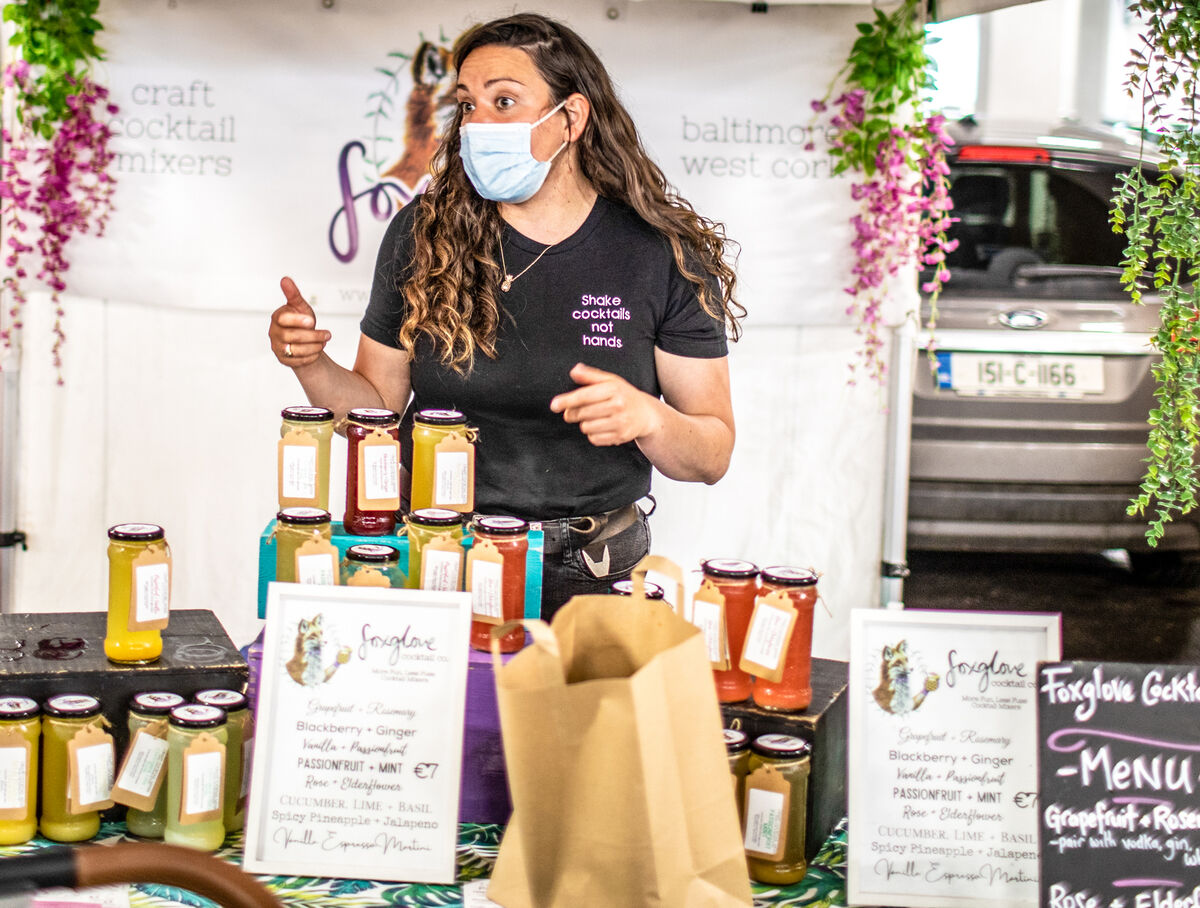
“One of our major customers would be elderly people who really understand the quality of food. They were definitely more freaked out of course being in a higher risk group so we had less pensioners among our customers.
“Then we had more people who were out of work or all working from home who made up for it really.
“But now people are more relaxed, in terms of not being so scared because the market is mostly outside.”
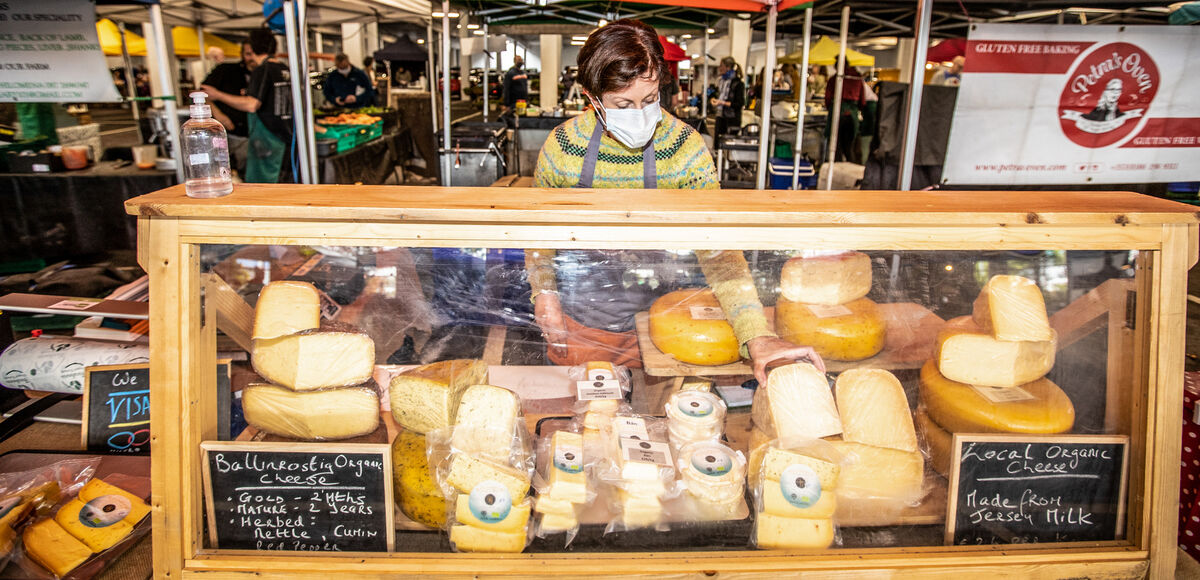
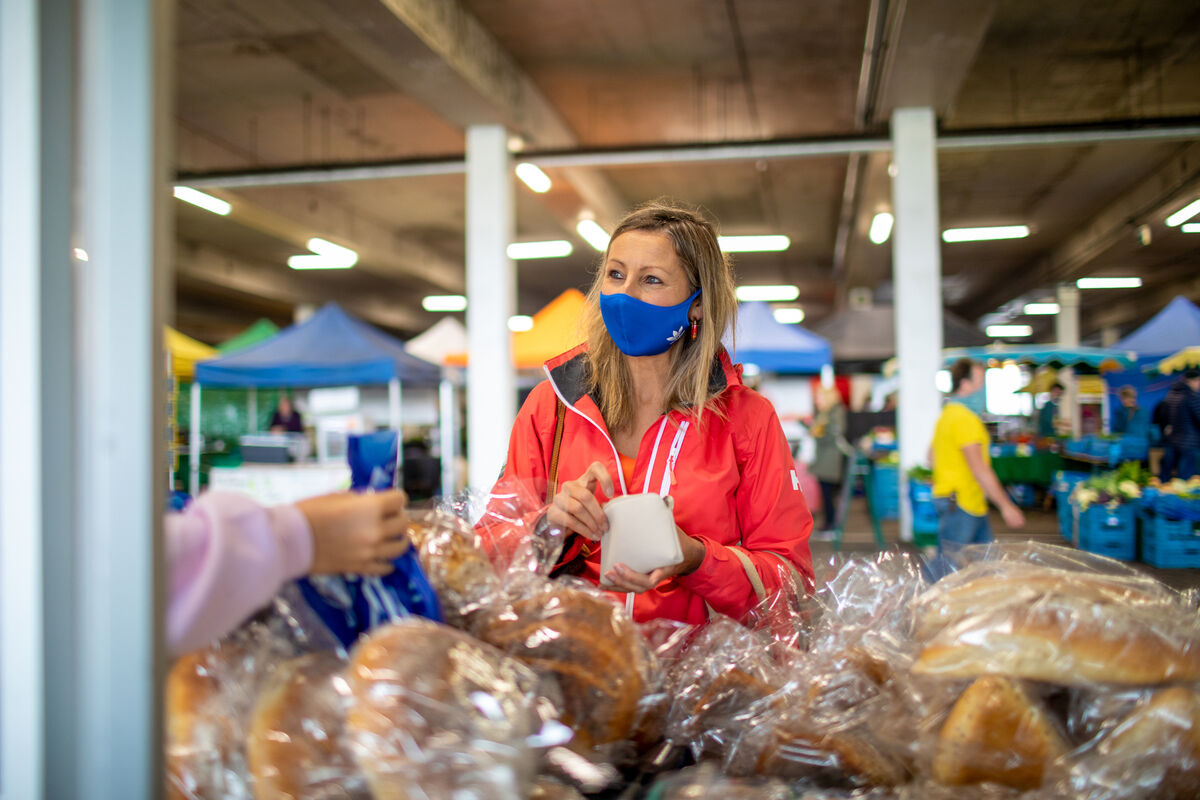
Anywhere between 10,000 and 15,000 people pass through the once-a-week Thursday market, and of those who buy from the 54 or so producers at what is one of Ireland’s biggest farmers markets, some 80% would be regular customers.
“I think it's mostly down to quality,” he says of the enduring appeal of farmers' markets.
“Also, people will always want to support their local businesses, especially now with the pandemic. A big change is people just wanting to support their local producers, like farmers down the road.
“This is because everyone's been in trouble and people want to do what they can to help.
“There is also the human side of physically being able to talk to the people who man the stalls in the market and who are the ones who produce it.”
He is a fan of Neighbourfood, and counts founder Jack Crotty as a friend.
“How incredibly lucky for everyone to have had (Neighbourfood) set up and then for the pandemic to have hit because it really helped a lot of producers through a very tricky time,” he notes.
CONNECT WITH US TODAY



Be the first to know the latest news and updates