Resource to educate young people about Stardust tragedy published today
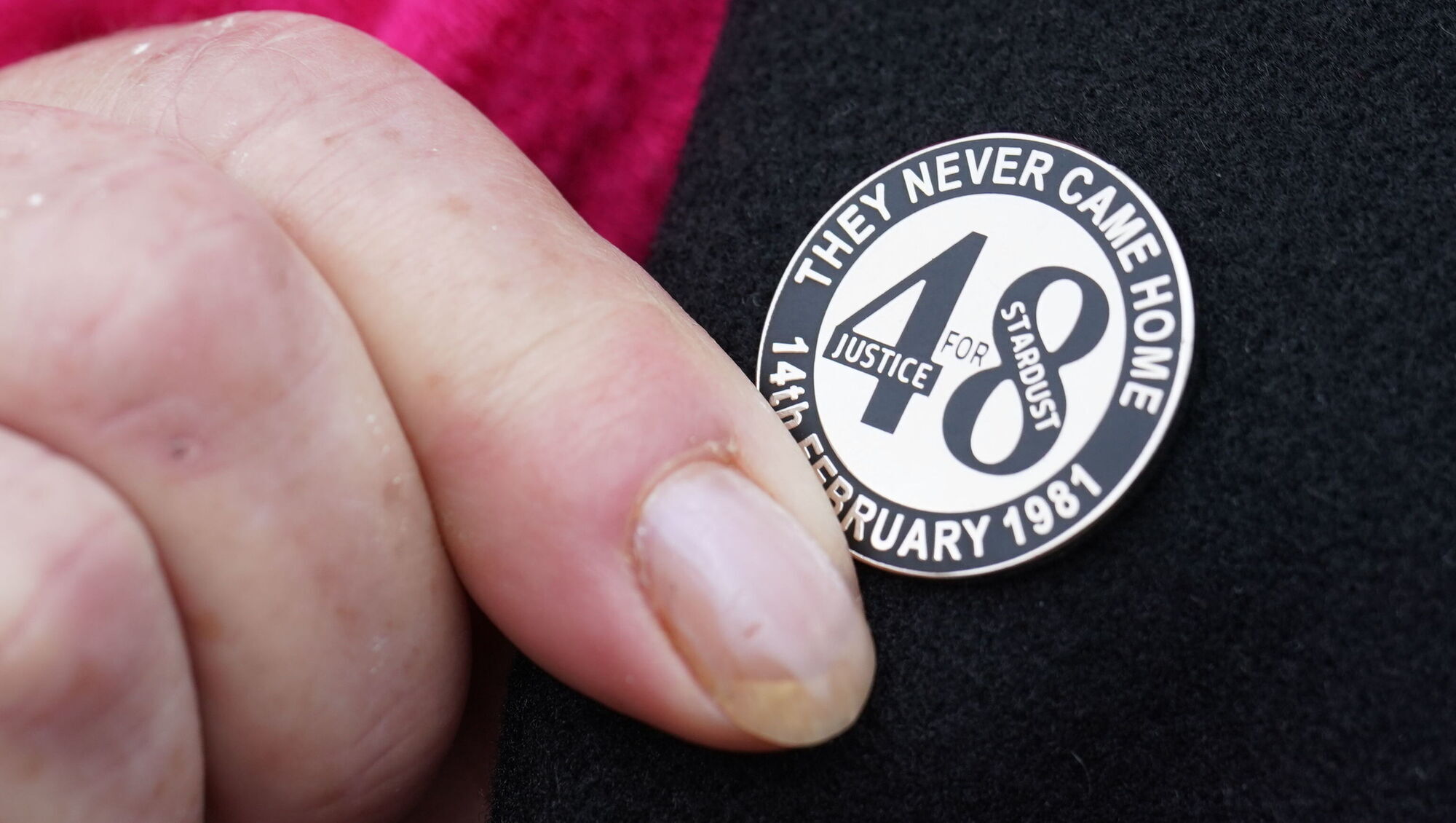
The nightclub fire in Dublin which claimed the lives of 48 people at the Stardust Ballroom in Artane, in the north of the city occurred in the early hours of Valentine's Day 1981. It was the worst fire disaster in the history of the State. Picture: Brian Lawless/PA
A new resource for schools to teach young people about the Stardust fire, one of the most significant tragedies in modern Irish history, is to be published today by the Department of Education.
Designed for teaching on both Junior Cycle civic, social, and political education (CSPE), and history, the new resource aims to provide students with an age-appropriate resource to learn about the Stardust tragedy, its impact on families and communities, and the decades-long campaign for truth and justice.
Today's announcement follows the State apology delivered in 2024 to the victims, survivors, and families of the Stardust tragedy.
In the early hours of Valentine’s Day 1981, a fire spread quickly through the Stardust in Artane, a popular venue for young people in Dublin at the time.
A disco dancing competition had just concluded when the first flames were spotted.
In all, 48 people died in the fire. Most were local to the area, and the average age was just 19. Hundreds more were injured.
Read More
In the aftermath, patrons on the night described emergency exits being locked or blocked when they tried to escape.
Following the State apology, the Department of Education said it asked the National Council for Curriculum and Assessment to engage with representatives of the Stardust families to consider an appropriate educational response.
It added that the resource has been developed through extensive engagement with family representatives.
Education minister Hildegarde Naughton said: "The Stardust tragedy left an indelible mark on Ireland; 48 young people lost their lives, countless others were forever changed, and communities carried the pain of that night for decades.
"It is important that future generations understand not only what happened, but also the profound impact it had on families, communities and our country as a whole."
It was critically important that the voices, experiences, and perspectives of the families were at the heart of this work, she said.
"I want to acknowledge their generosity, commitment, and engagement throughout the process," she said.
"Their contribution has helped ensure that this resource reflects both the human impact of the tragedy and its wider significance in Irish society.
"The courage, resilience, and determination shown by the Stardust families over many decades is an important part of this story.
"Through this resource, we can help ensure that the memories of those who lost their lives are honoured and that the lessons of Stardust continue to be understood by future generations."

BLACK FRIDAY
Already a subscriber? Sign in

CONNECT WITH US TODAY



Be the first to know the latest news and updates