'Almost certain' health budget will see over-run next year, UCC economist says
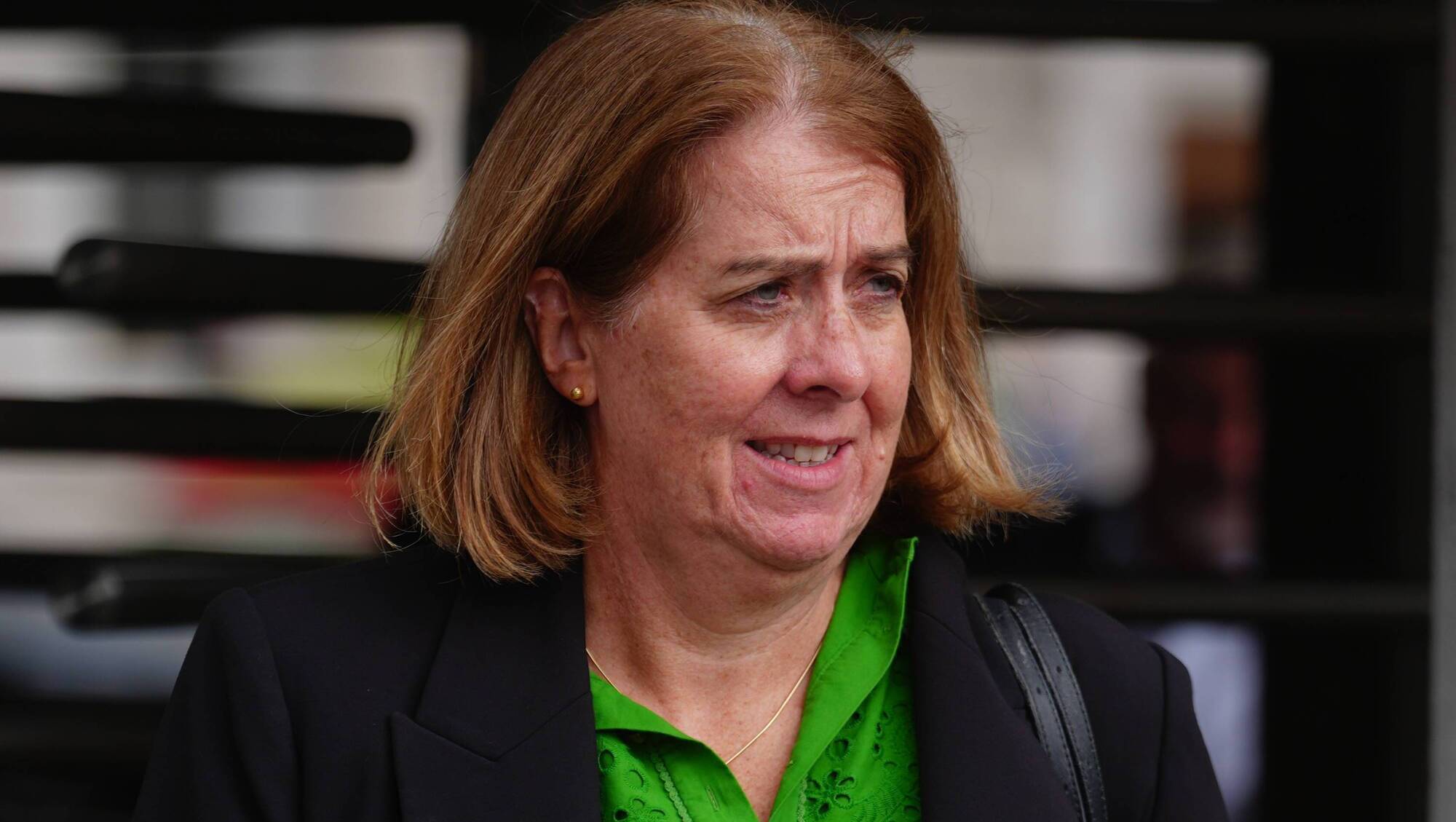
Just days before being dismissed, former HSE chief executive Anne O’Connor was granted a €780m supplementary payment to meet over-spending costs. File picture: Brian Lawless/Press Association
Next year’s health budget will “almost certainly” see another over-run because the underlying budgeting is wrong, a leading health economist has claimed.
The warning comes as health unions call on the HSE board to resign for not challenging the Department of Health which took spending controls from four HSE regions in response to an €800m overspend.
Just days before being dismissed, former HSE chief executive Anne O’Connor was granted a €780m supplementary payment to meet over-spending costs. She has robustly challenged her dismissal.
Dr Brian Turner, who lectures at the department of economics in University College Cork, said: “Part of the problem here is that the budget allocations in the last few years haven’t actually taken into account the over-runs in the last few years.”
In October’s budget, he described how health spending was measured against the allocated budget for 2026, not against actual spending.
“So already they knew there was an over-run, they didn’t take that into account when they set the budget for 2027,” he said.
He added: “It’s almost certain there will be another over-run next year.”
Read More
He referred back to a note from the Fiscal Advisory Council in May which queried this issue, using the phrase “bad budgeting” at the time.
Dr Turner said: “That was in May and then in October [the budget] did exactly the same thing, so it’s no surprise there was an over-run this year.
“And I would be fully expecting an over-run next year again.”
He added: “Even just to stand still, they need to increase the health budget, I would imagine by 5% to 6% each year, because of the growing, ageing population and increases in providing care.”
The increase for next year’s health budget compared to this year was 6.2%, coming in at €29.1bn.
This week the Irish Nurses and Midwives Organisation, the Irish Hospital Consultants Association and Siptu called on the HSE board to resign, mainly citing recruitment issues.
The six HSE regions have, since April, lost an increasing amount of financial independence, with four under the highest restrictions. This is linked to frustration at Government level around over-spending.
“On one hand I can see that might help in terms of making people more conscious of the budget but at the same time that is almost certainly going to have an impact on services,” Dr Turner said.
“It’s at the very least going to delay things, it’s adding more bureaucracy onto getting things signed off.”
He added: “It’s not going to help in the long-term. Now maybe the counterargument would be they have to do something to try and keep a lid on costs but is this the best way of doing it? I’m not sure.”
He also pointed to how individual regions saw increases in October’s budget, even though restrictions were increased less than a month before.
“The South-West was one of the four [regions under the higher tier of restrictions], that’s up by 13.7%,” he said.
“So they’re allocating more money to the regions but taking the autonomy for spending it off them. I’m not entirely clear how that is going to work.”

BLACK FRIDAY
Already a subscriber? Sign in

CONNECT WITH US TODAY



Be the first to know the latest news and updates