ieExplains: What are the proposed changes to citizenship rules and what effect may they have?
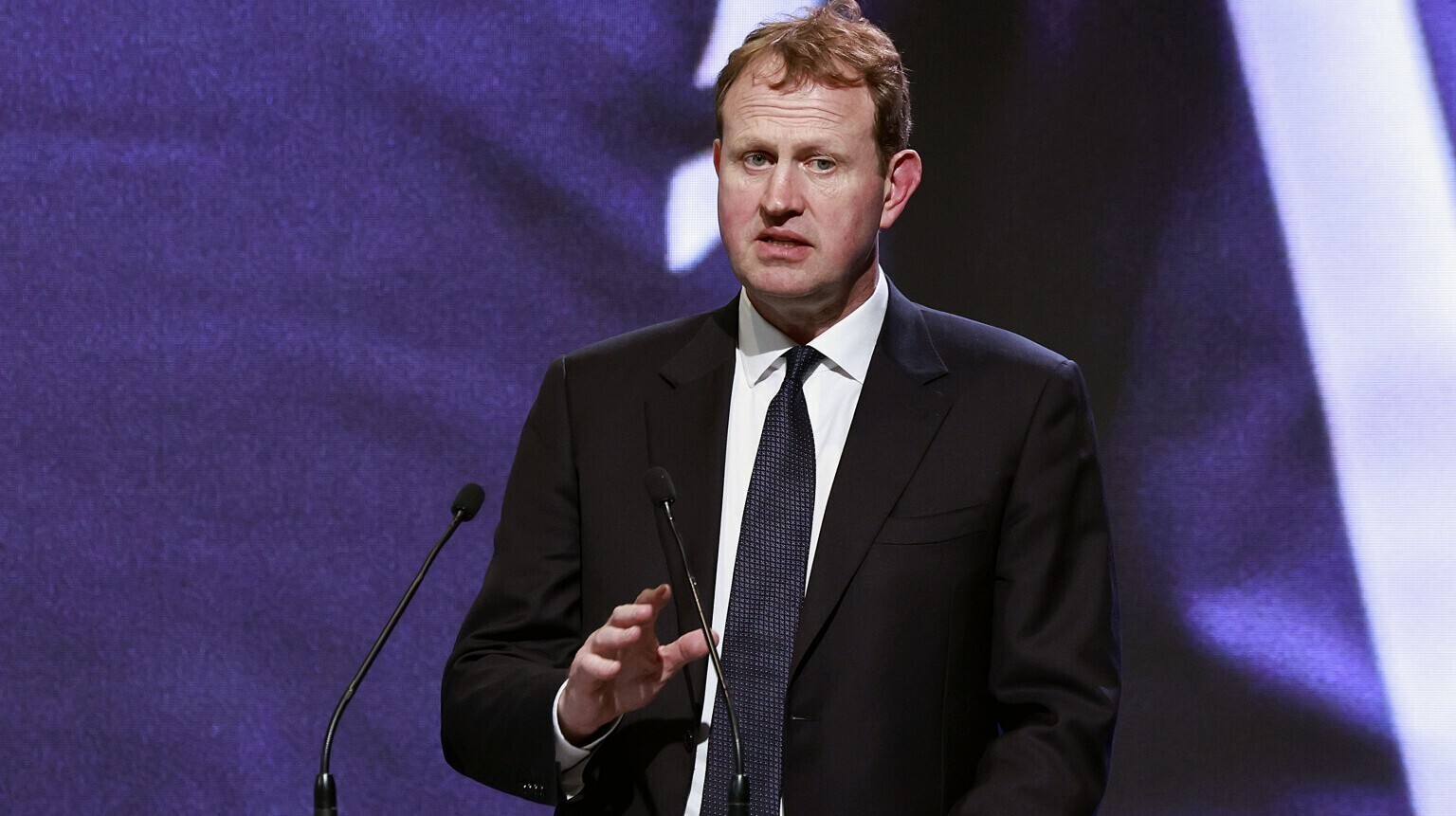
Justice minister Jim O’Callaghan will bring proposals to Cabinet on Wednesday to overhaul the Irish citizenship process. File picture: Conor O Mearain/PA
Justice minister Jim O’Callaghan will bring proposals to Cabinet on Wednesday to overhaul the Irish citizenship process.
It has been branded the biggest overhaul of the process in a “generation”.
But what do we know so far about those plans, and what do they mean for aspiring Irish citizens?
Citizenship can be bestowed upon someone in several ways. Most Irish citizens automatically gain citizenship at birth.
However, citizenship by birth is no longer an automatic right, following a referendum in 2004.
People can also gain citizenship if their parents or grandparents were born in Ireland.
Many new citizens gain their citizenship through the naturalisation process. Currently, the rules dictate that they must have lived in Ireland for five of the previous nine years.
Read More
The last year before the citizenship application must be one of “continuous residence”, with people allowed to spend only 70 days outside Ireland in the year preceding their application.
Applicants with an Irish citizen spouse must have lived in Ireland for three of the last five years, with one year of continuous residence, to apply for citizenship.
A person must also be of “good character”.
Under the Irish Nationality & Citizenship (Amendment) Bill 2026, the residency requirements would increase from five years to eight years. The continuous residence requirement would increase to two years.
A new test will be introduced requiring people to demonstrate proficiency in English, Irish, or Irish Sign Language. The Taoiseach said people showing they are proficient in English will need a “very basic” grasp of Irish.
A civics test will also be introduced.
The minister for justice will set a minimum wage that a person must earn each year, so that they can prove they will be “self-sufficient” and not a “burden on the State”.
There will also be new powers introduced to allow the minister to revoke citizenship on public order and national security grounds.
The Taoiseach and Mr O’Callaghan have said it this is being done to bring Ireland in line with other EU countries.
Citizenship application processes in all 27 member states, excluding Ireland, currently have a language proficiency requirement.
Some 11 of 27 member states, currently including Ireland, have a five-year residency requirement.
Poland’s residency rules are set at three years, while Cyprus and Greece require seven years of residency.
Another seven member states require eight years. This includes Croatia, Estonia, Finland, Hungary, Romania, Slovakia, and Sweden. Denmark has a nine-year rule.
Another five countries require 10 years of residency before becoming eligible for citizenship. These are Austria, Italy, Lithuania, Slovenia, and Spain.
The Government intends to have this legislation passed before the end of the year. This means that people who do not have a citizenship application submitted before the laws are enacted will have to accrue eight years of residency.
Mr O’Callaghan conceded that this will include people who have as much as four years and 10 months of residence by the time the laws change.
Groups representing migrants have expressed deep reservations about the proposed changes to the citizenship process.
In a statement, six of the leading groups have called on Mr O’Callaghan to abandon the proposals, saying that they “are simply aimed at making Ireland a hostile place for migrants who contribute so much to our economy and society”.
- Louise Burne, political correspondent

CONNECT WITH US TODAY



Be the first to know the latest news and updates