Emergency accommodation increasingly difficult to access, Mercy Law Resource Centre warns
During 2025, the centre assisted 589 people through its legal information triage service and provided direct legal advice to 246 clients. Picture: iStock
Access to emergency accommodation is becoming increasingly difficult for people experiencing homelessness, it has been warned.
The Mercy Law Resource Centre (MLRC) recorded a 23% increase in the number of people contacting its service after experiencing difficulties or unfair treatment when seeking emergency accommodation, according to its 2025 annual report, published on Wednesday.
The report outlines the challenges individuals and families face when seeking emergency accommodation and social housing. During 2025, the centre assisted 589 people through its legal information triage service and provided direct legal advice to 246 clients.
Among the cases highlighted was a family with six children who received a local authority voucher worth €130 per night for 10 nights to secure emergency accommodation.
Read More
Despite “extensive” efforts, the family could not find accommodation that would accept the voucher. Following legal intervention by MLRC, the local authority ultimately secured suitable accommodation for them.
Other cases involved people forced to sleep in their cars, families fleeing domestic violence who were refused homeless support because they could not demonstrate a local connection, and people denied social housing without being given reasons for the decision.
The report also highlights the difficulties victims and survivors of domestic and gender-based violence face when leaving refuge accommodation.
In one case, a mother and young daughter facing discharge from a refuge required further homeless supports.
However, a local authority stated in writing that it did not have a direct role in providing accommodation for victims of domestic violence.
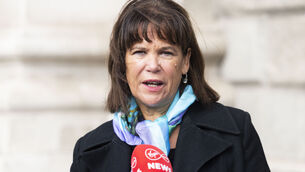
Paul Dornan, MLRC managing solicitor, said the number of people seeking assistance continued to rise.
“For the second consecutive year, we have recorded a sharp increase in the number of people contacting us after experiencing difficulty or unfairness when seeking emergency accommodation, with a 23% increase in 2025.
“Behind these figures are families fleeing domestic violence, people forced to sleep in their cars and individuals being denied access to essential housing supports. These are not isolated cases. They are problems we have encountered repeatedly over several years, and the continuing rise in homelessness is making the situation worse.
“Recent legislative changes risk creating further barriers, particularly for people from minority or excluded communities. Adequate funding for independent and community law centres, through a reformed civil legal aid system, is urgently needed to ensure that vulnerable people can assert their rights when seeking essential accommodation supports.”
MLRC is calling for reform of the civil legal aid system, including adequate funding for independent and community law centres.
It says many people experiencing homelessness cannot afford private legal representation, while state-funded legal aid remains unavailable or inaccessible for many housing, homelessness and related social welfare matters.
CONNECT WITH US TODAY



Be the first to know the latest news and updates