Irish art being stolen by AI systems, Oireachtas committee told
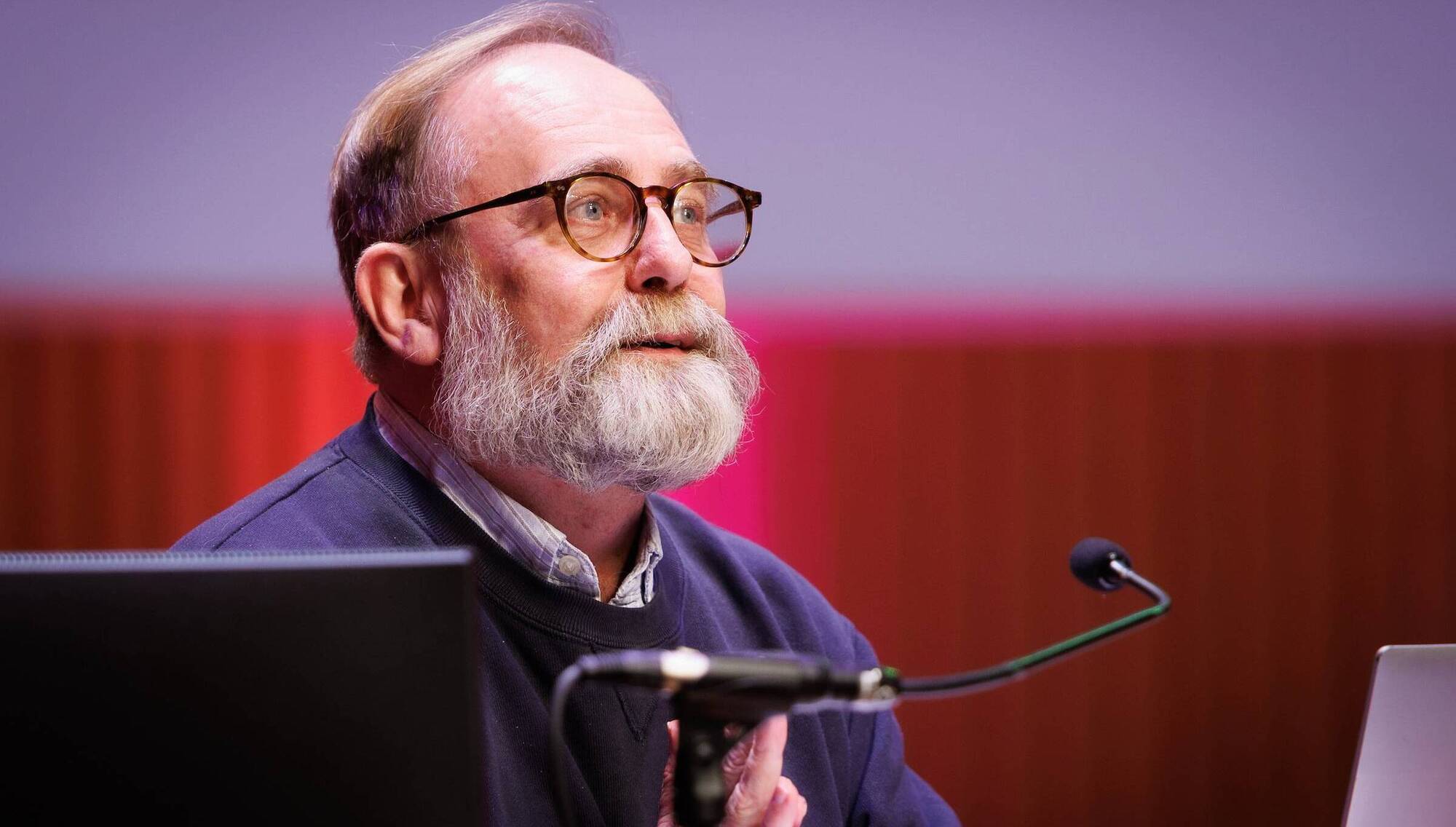
Noel Kelly, CEO of Visual Artists Ireland said there is a fundamental difference in producing art and creating it.
Irish art is being stolen by artificial intelligence (AI) models, an Oireachtas committee has been warned.
The Oireachtas AI committee met with representatives of the arts community on Tuesday, with warnings that content has already been taken from Irish artists to train AI models.
Robbie Kitt, the chair of Praxis: The Artists' Union of Ireland, told the committee that the values of major AI firms are "being harvested from our work online, by brute force, without any recourse to compensation to the creators who made it".
He added: "The value of our labour is only considered as a barrier to more profitability for the companies that own the technologies."
Mr Kitt said: "It’s important to be clear here. What is happening is theft. Our creative work and labour is being entirely exploited with no appropriate structures towards reciprocity."
Mr Kitt said the State must ensure the law "can be enforced to protect cultural workers against this technological onslaught" and to "properly regulate to ensure that we establish impactful, fair safeguards into the future".
Read More
Visual Artists Ireland chief executive Noel Kelly told the committee that artists "are not here to smash the machines" but that there is a fundamental difference in producing art and creating it.
"Many visual artists in Ireland already face considerable financial uncertainty. We often combine our artistic practice with other employment simply to keep going.
"Generative AI adds further pressures, particularly in illustration, photography, design, and commissioned work — concern about fees, lost opportunities, and the value placed on creative labour."
Earlier, the committee heard from Caroline Frederickson, department director of the International Labour Organisation, who said that one in four workers globally is employed in an occupation with some exposure to generative AI, but only 3.3% of global employment is in the highest exposure category.
"Exposure is substantially higher in high-income countries: 34% of employment, compared with 11% in low-income countries," she said.
Clerical occupations remain the most exposed, while some professional and technical occupations are becoming more exposed as the technology advances.
- Paul Hosford is deputy political editor

BLACK FRIDAY
Already a subscriber? Sign in

CONNECT WITH US TODAY



Be the first to know the latest news and updates