Government defends budget spending despite strong criticism from fiscal watchdog

The Irish Fiscal Advisory Council (IFAC) warned that the Government is playing 'fast and loose' with the public finances.
Ministers have defended the budget and insisted the Government “tried to get the balance right”, despite criticism from the State’s fiscal watchdog.
The Irish Fiscal Advisory Council (IFAC) warned that the Government is playing “fast and loose” with the public finances.
Its flash report following Tuesday’s budget said that about six in seven euros of money raised from corporation tax was being spent by the State, mostly on current expenditure measures.
IFAC also flagged that budget deficits are projected to rise to €20bn in 2030.
“The Government should be saving more, making its tax base more secure, and avoiding aimless drift,” the Fiscal Council wrote.
“It should stick to some rule on how fast it cuts taxes and increases spending. This would help ensure it can support people’s jobs in the next recession and avoid a disastrous repeat of the cutbacks in areas like housing that happened after the last crisis.”
Read More
When these comments were put to foreign affairs minister Helen McEntee following an early morning Fine Gael canvass of Dublin commuters, she defended the budget.
She argued that while some people were saying the Government had spent too much money, others were saying it had not spent enough.
“We've tried to get that balance right,” she said.
“We've obviously done the figures as well, and our teams in the Department of Finance and Public Expenditure have set out how we can continue in a trajectory that's manageable, while at the same time recognising things can change.
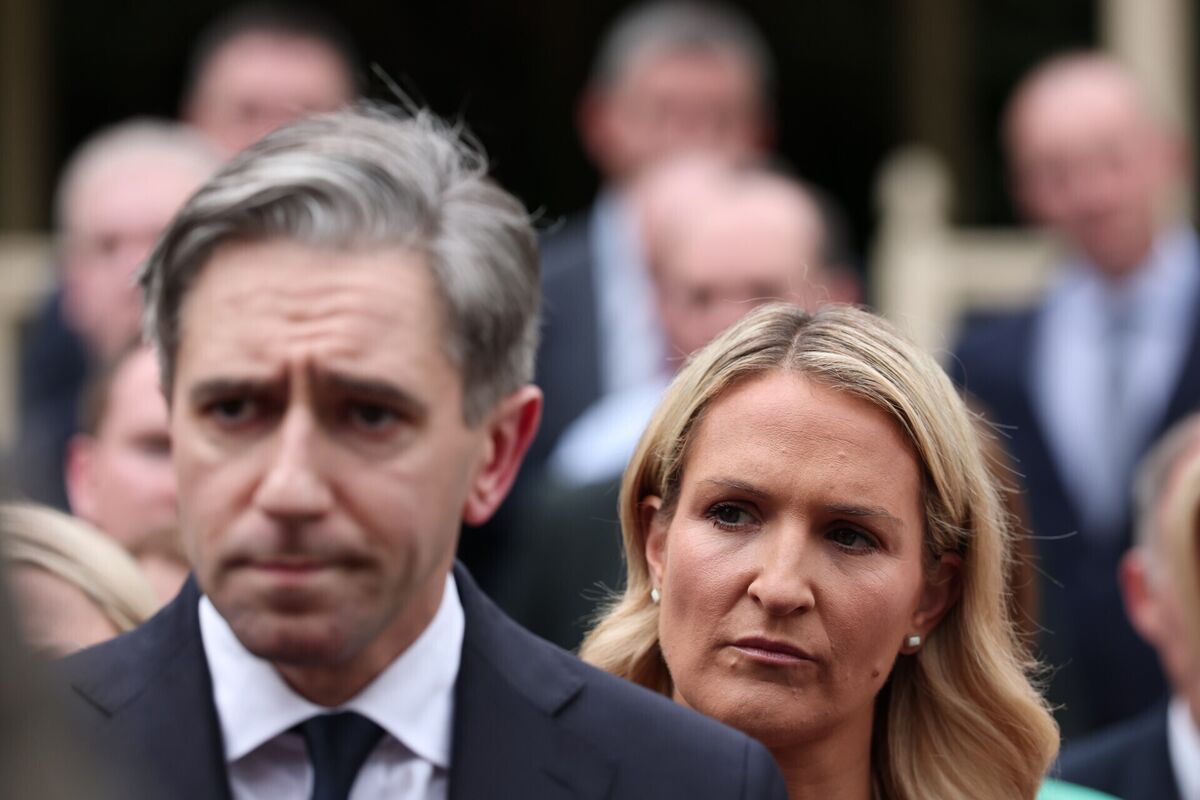
“While we had planned to put €5bn into the Future Ireland Fund and into the Nature Reserve Fund, we're actually putting €6bn. We're still planning for possible shifts, the possible changes, the possible difficulties that inevitably will come, as they have in the last few years.
“At the same time, we have to make sure that the money we have now, as well, we're giving it to people in a way that's going to benefit them and that's going to help them invest in their long-term future as well.”
Ms McEntee said that spending growth was maintained at 6% in this year’s budget.
Taoiseach Micheál Martin also defended Budget 2027, saying the Government was trying to protect people “as best we can in the midst of an international crisis” amid “major international global uncertainty, oil crisis and energy crisis, which is fuelling inflation.”
Mr Martin said the budget focused on protecting workers through tax measures, supporting people with disabilities and reducing childcare costs.
He said the “fundamental driver” for putting money aside was demographics, with Ireland’s ageing population expected to result in more people becoming dependent on social protection and health services in the future.
He said people were living longer and healthier lives as a result of investment in healthcare, lifestyle changes and advances in medicine, but the State would have to plan financially for those demographic changes.
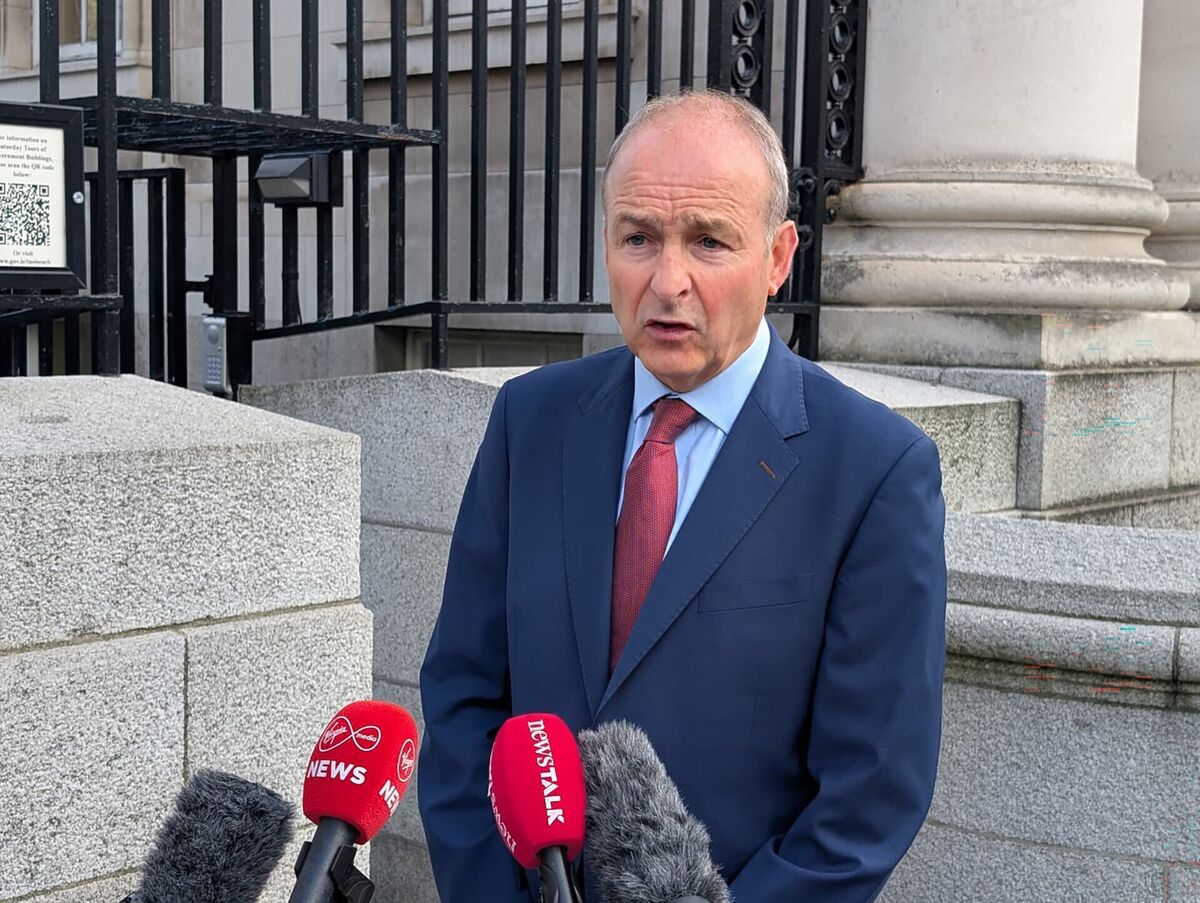
The Taoiseach also acknowledged the need for a change in the taxation framework and the composition of revenue coming into the Exchequer.
“We have to change focus in our taxation framework to encouraging indigenous enterprise and scaling up enterprise,” he told .
He said the reduction in the capital gains tax rate for seed investment was part of an effort to create a stronger indigenous business base and achieve “a greater balance” in the economy.
“We need to think more about how we scale our own companies, and how we ensure that they have capital available to them to grow and to develop.”
Elsewhere, education minister Hildegarde Naughton urged teachers’ unions to start negotiations on a new public sector pay deal.
Teachers and Special Needs Assistants have been taking part in a work-to-rule for the last week, with full-day strike days scheduled from next week.
“Nobody wants to see disruption to our public services and indeed our schools,” she said.
“No one wants to see any closures or disruptions there. It's really important that our students are going to school every day.
“What I would ask is that you know unions would come to the table. Government is absolutely ready and willing to sit down and negotiate a new public sector pay deal, and I would really encourage them to come to the table to make sure we can resolve this.”

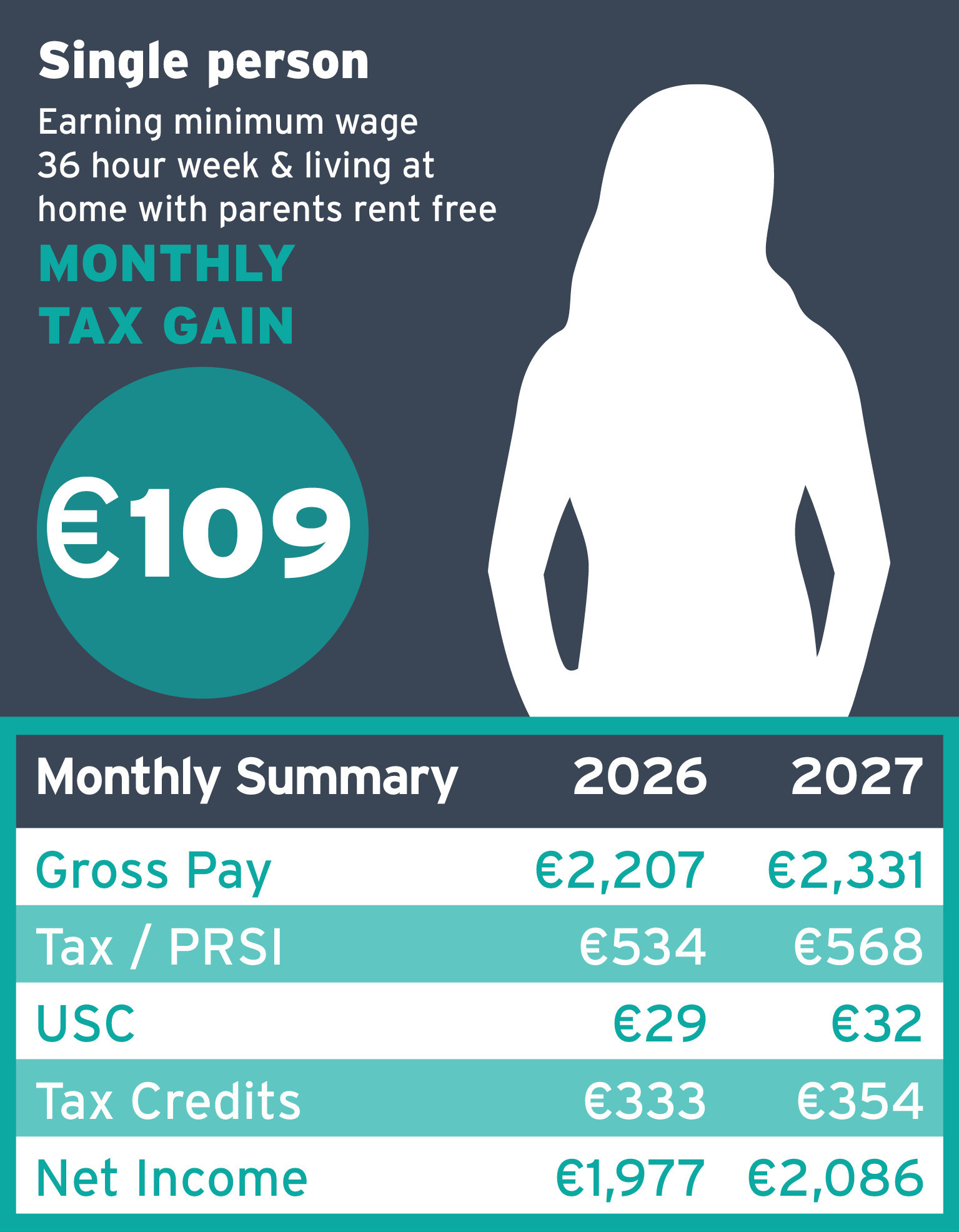
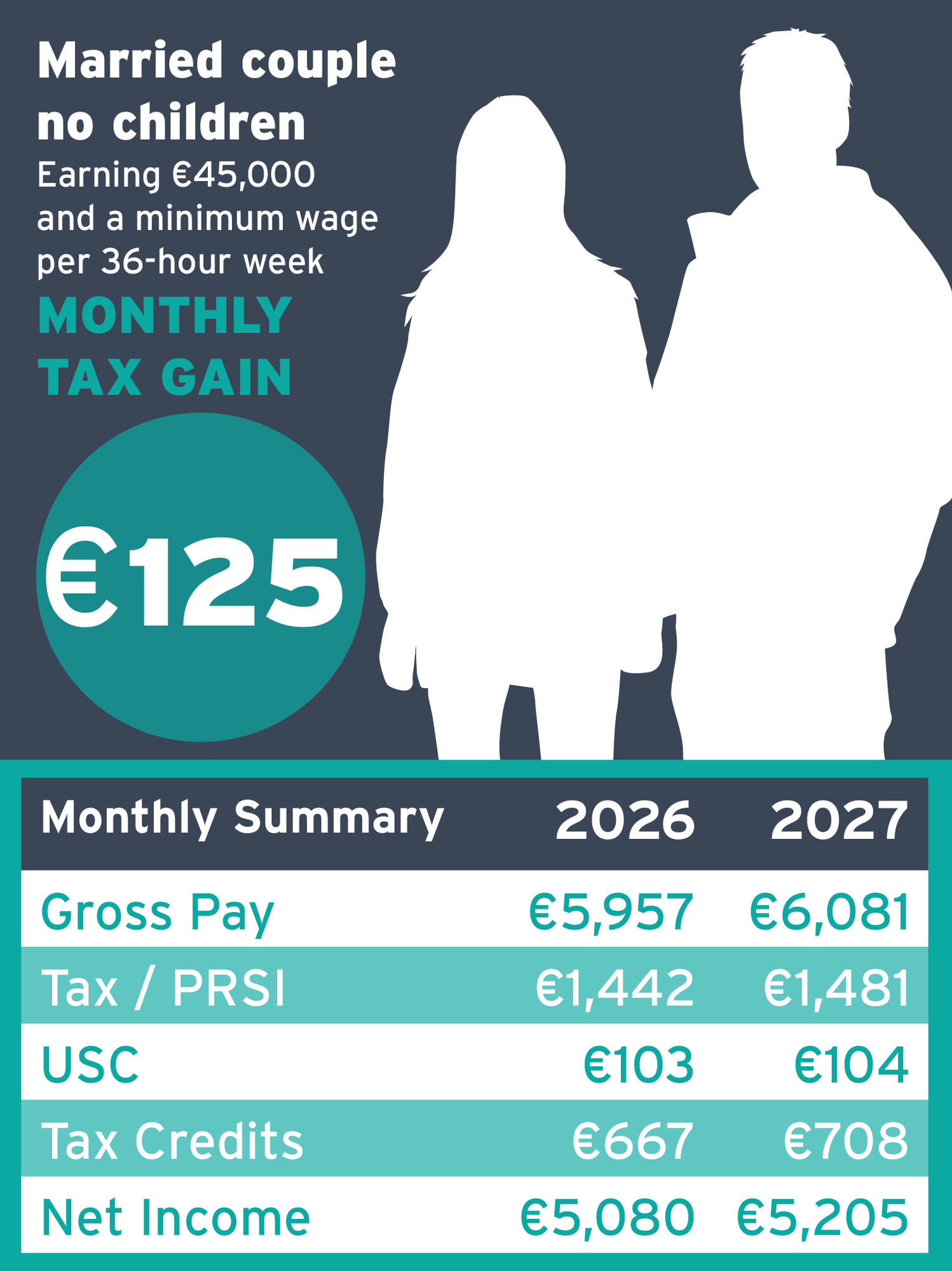
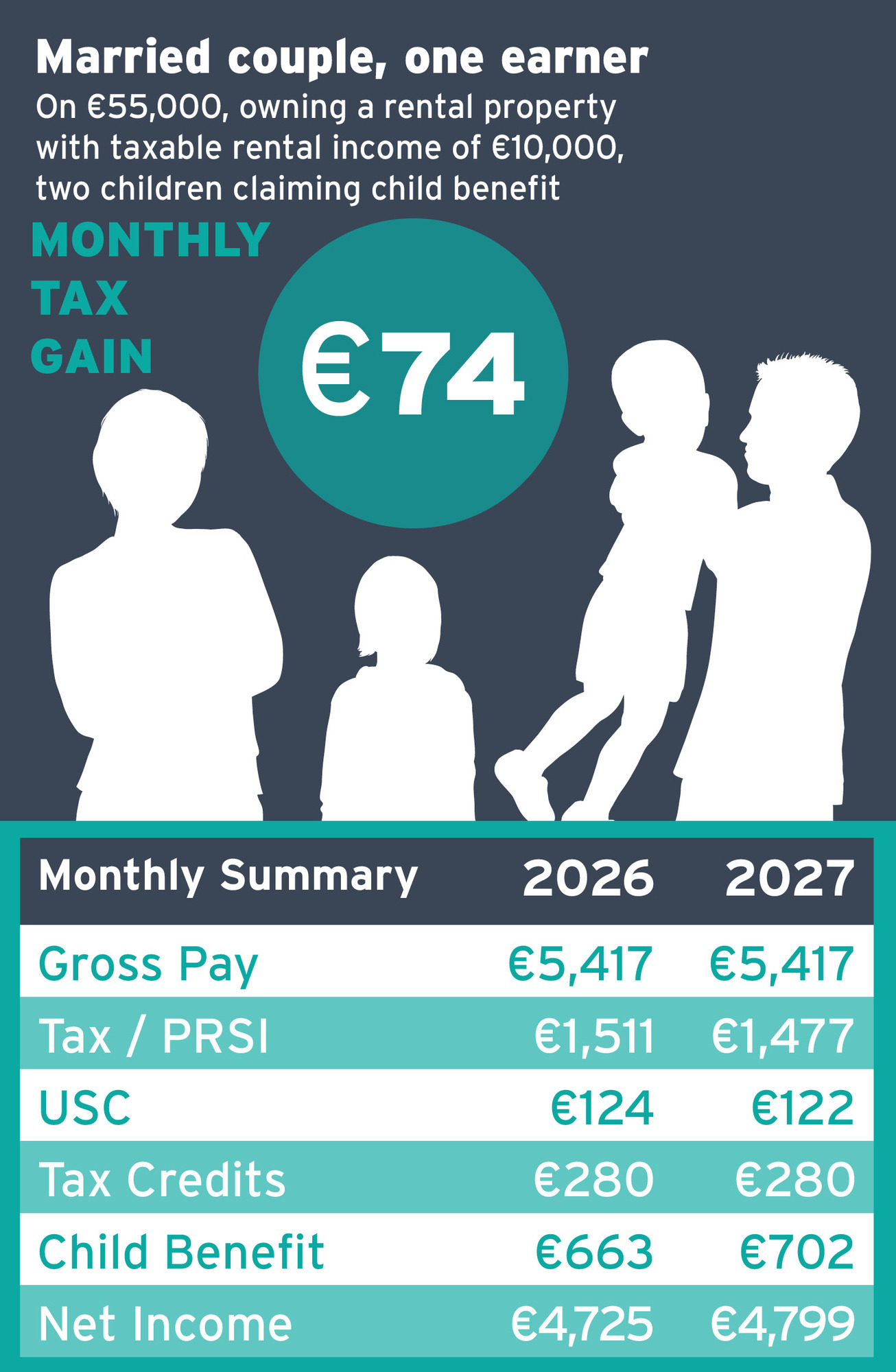
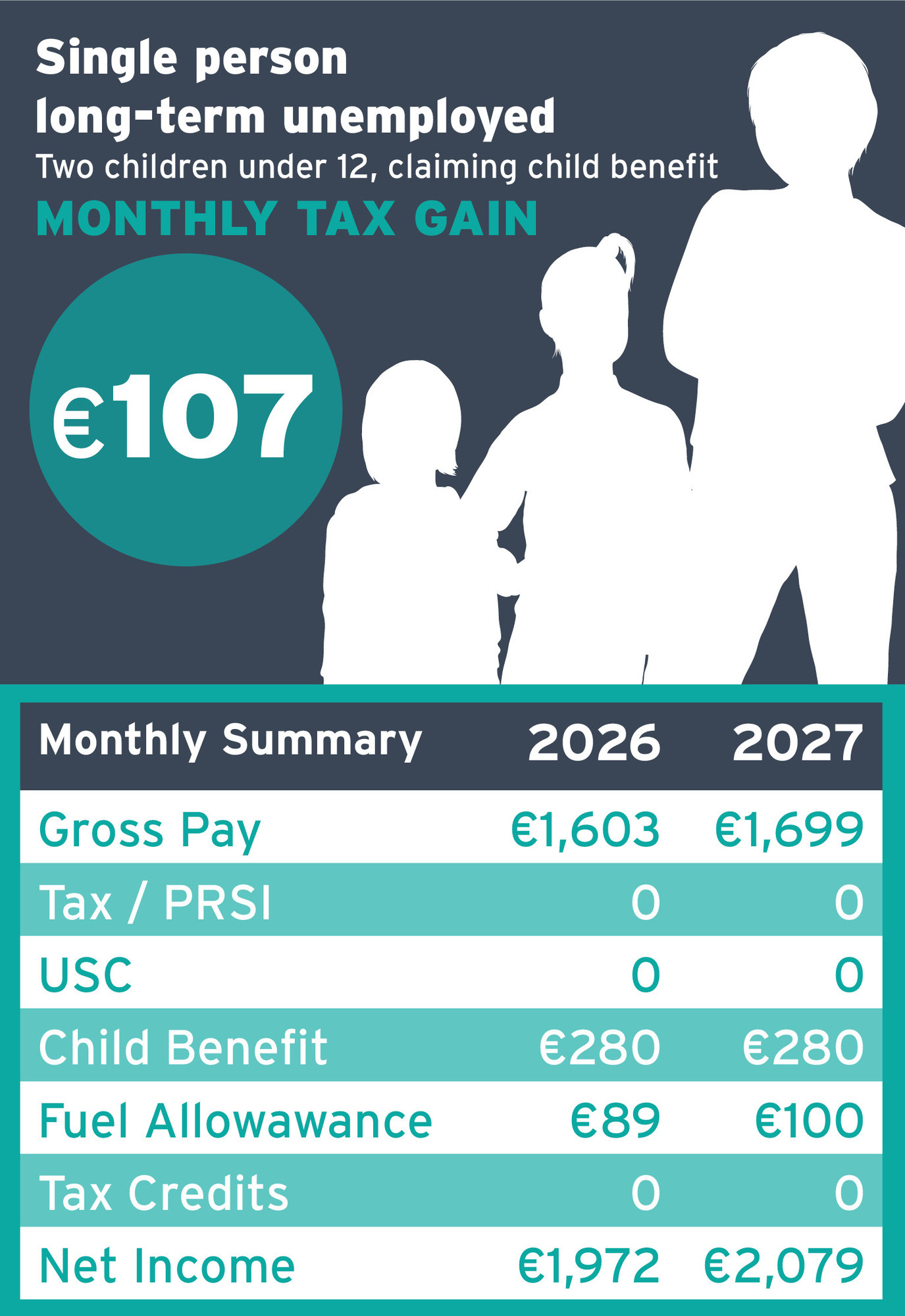
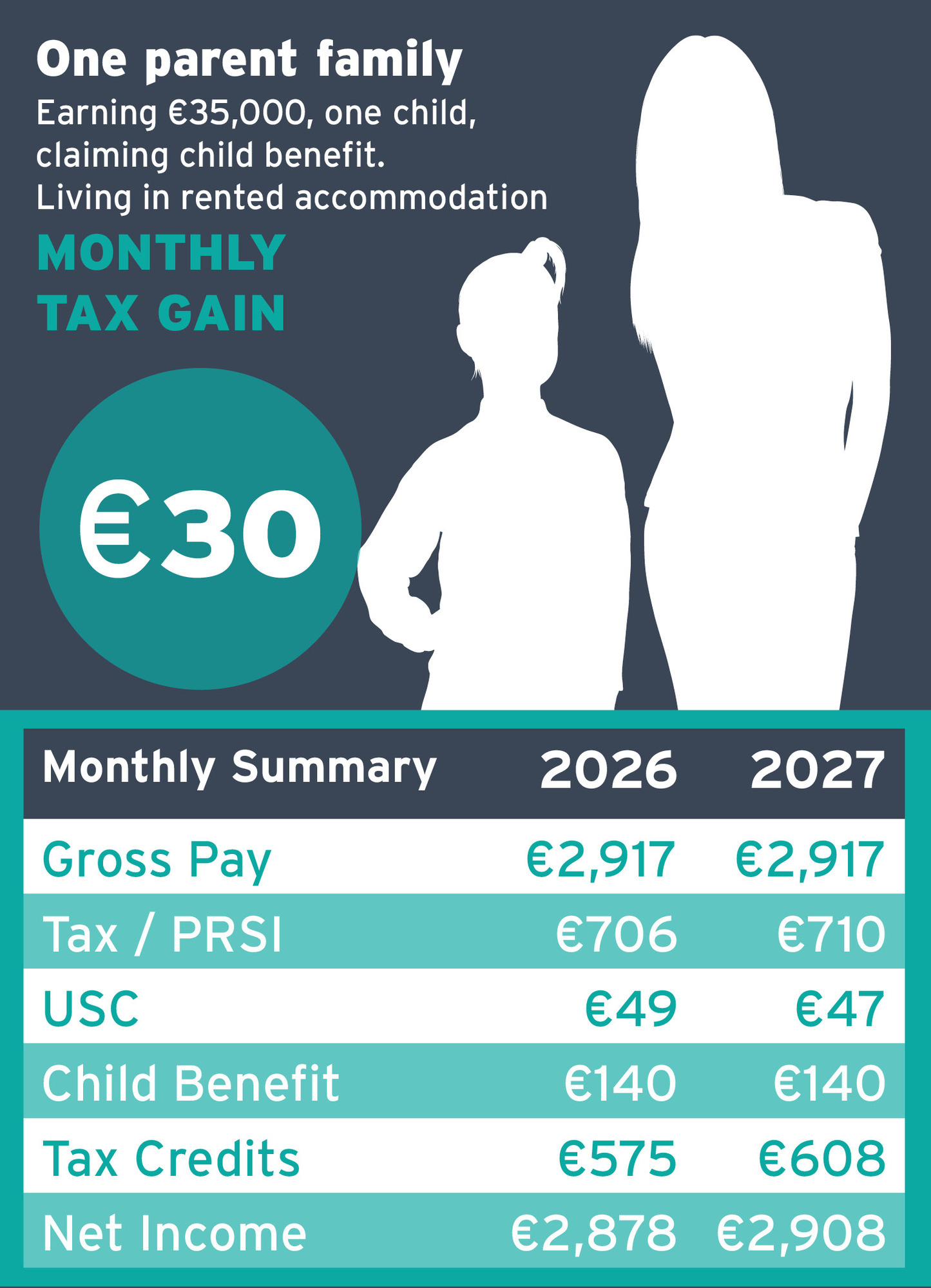
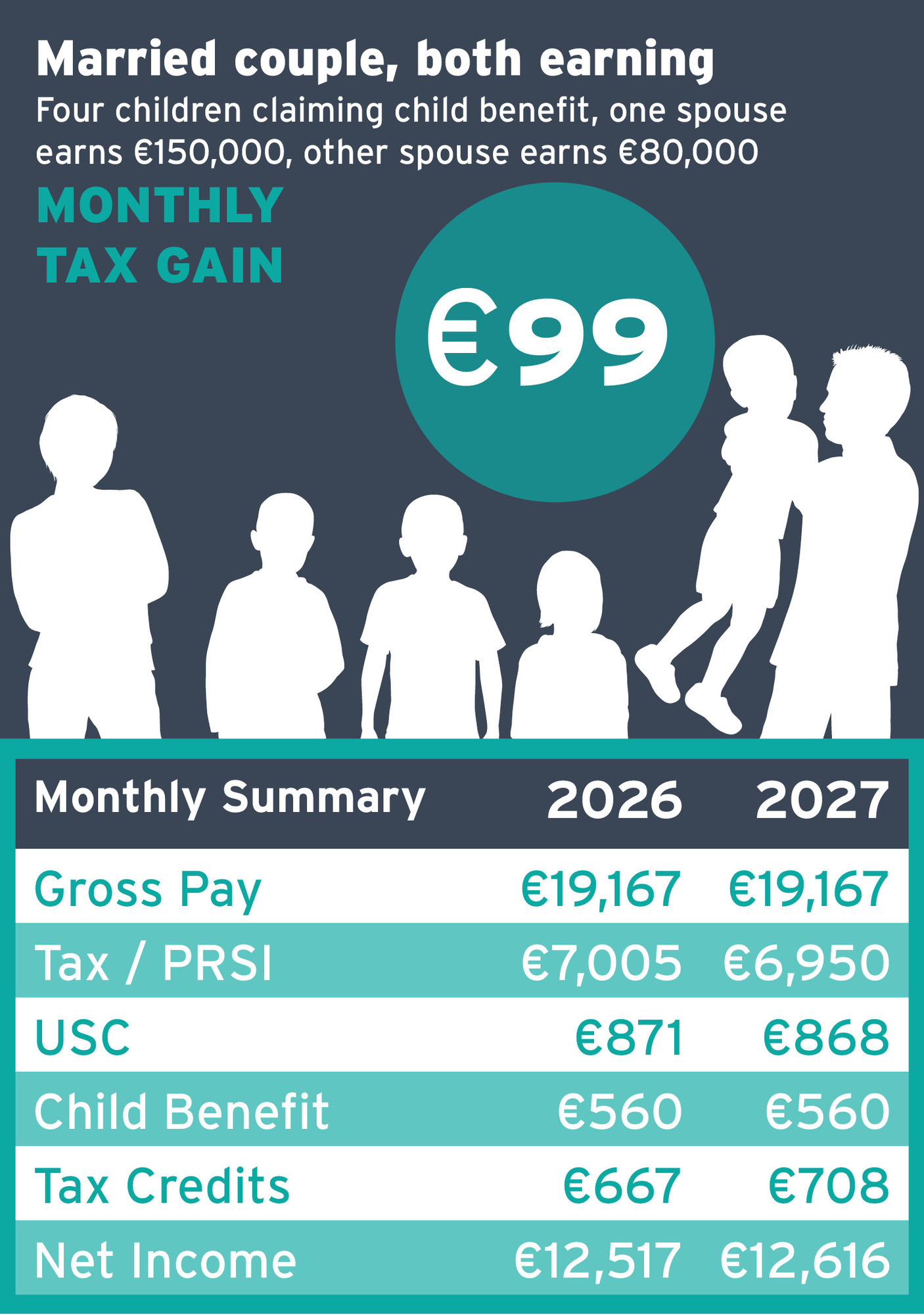
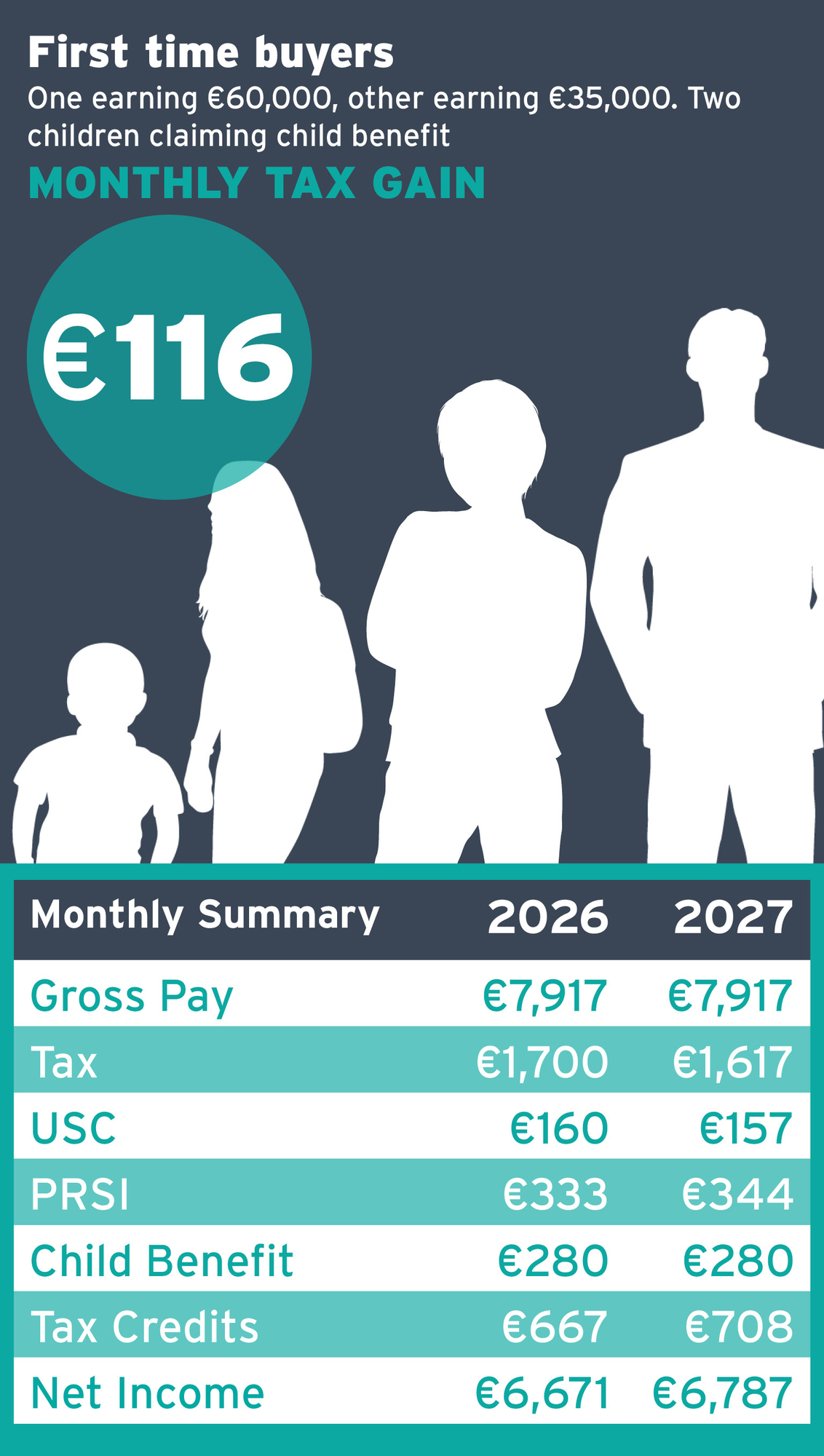
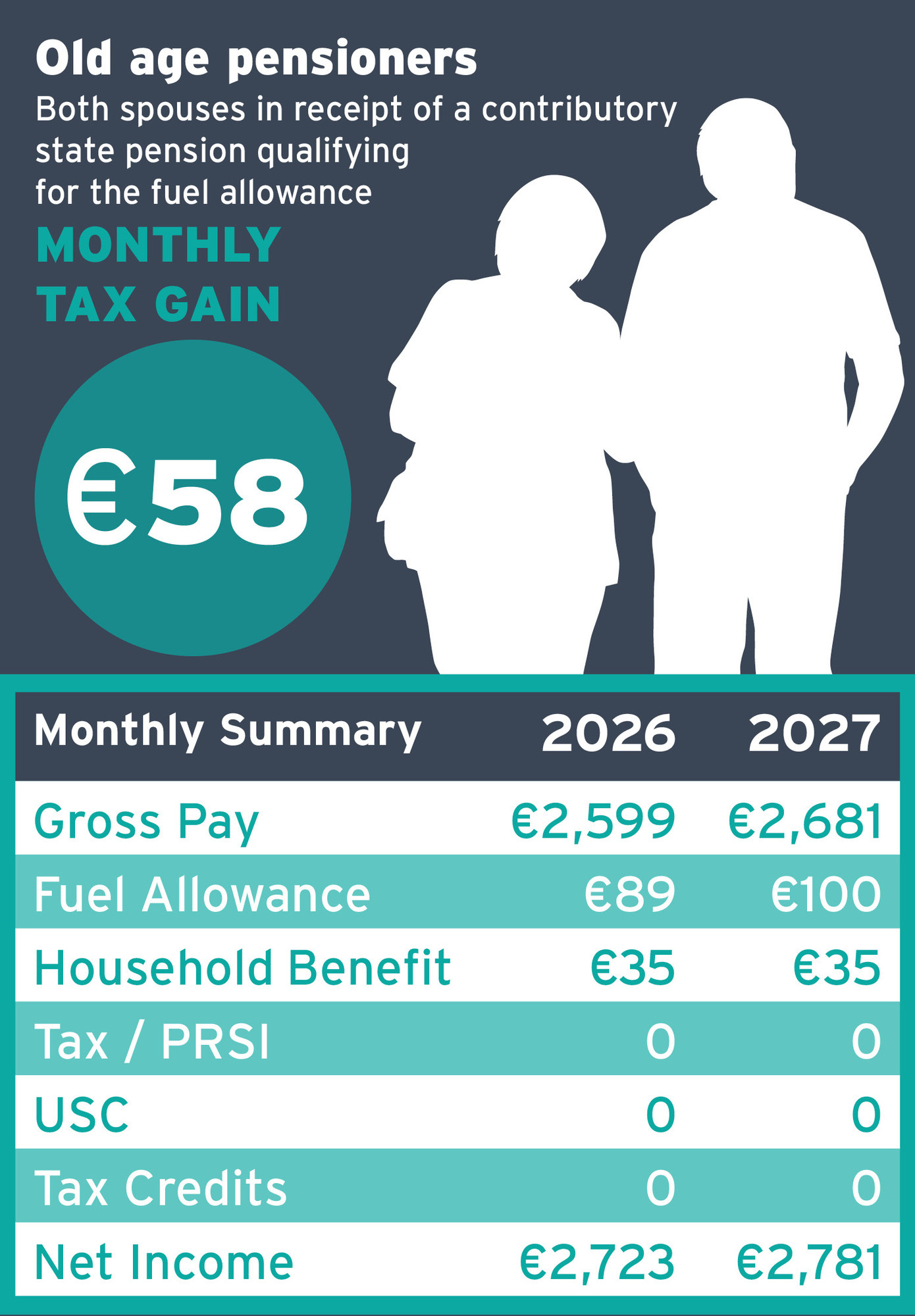
What the budget means for you
CONNECT WITH US TODAY



Be the first to know the latest news and updates