Budget 2027: €5,000 Help to Buy increase will have ‘negligible’ impact on house prices, says Harris
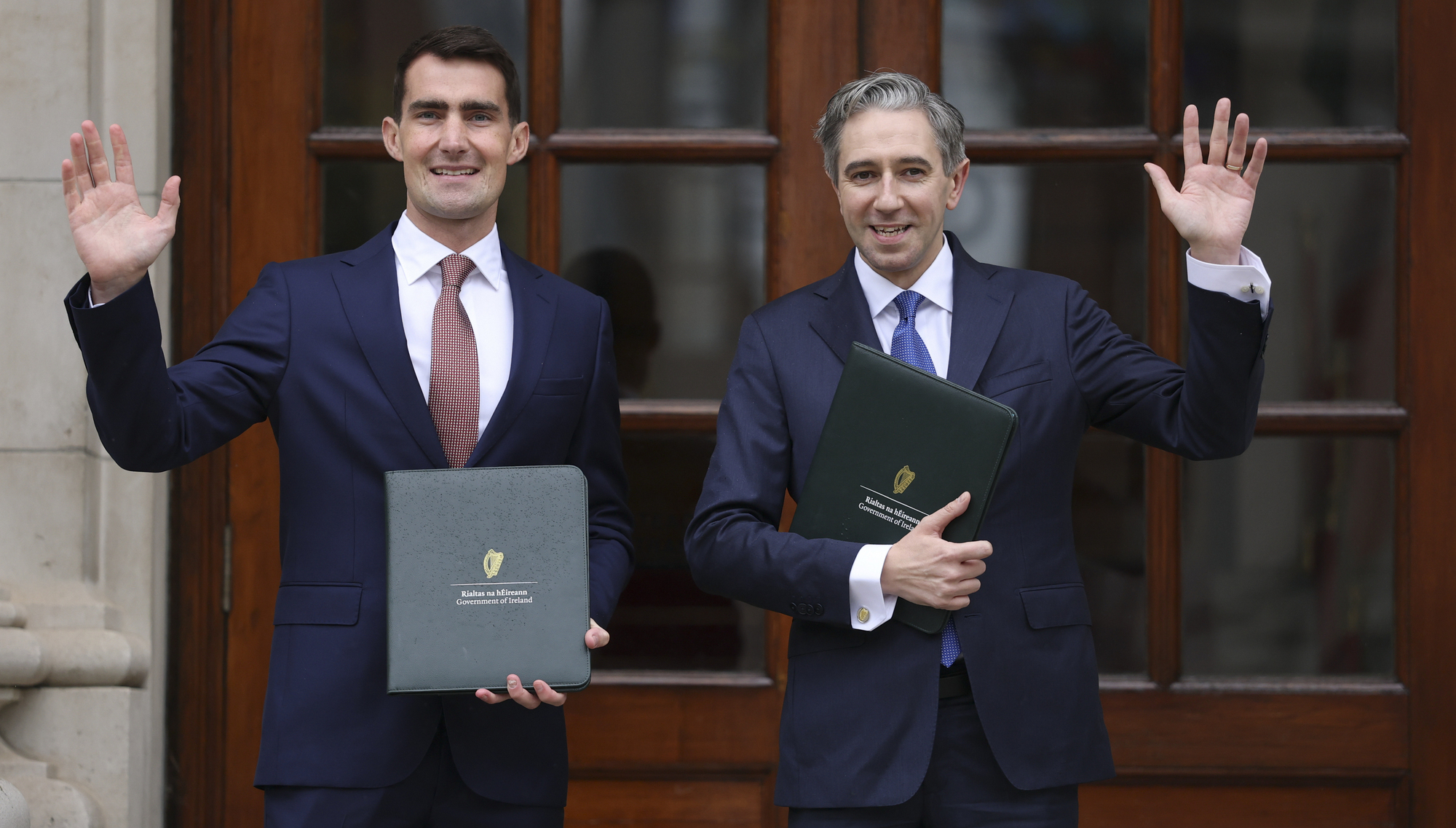
Public expenditure minister Jack Chambers (left) and finance minister Simon Harris announce the details of Budget 2027 to the Dail at Leinster House, Dublin. Picture: PA
A €5,000 increase to the Help to Buy scheme will have a “negligible” impact on house price inflation, finance minister Simon Harris has said.
The Government increased the maximum support available to first-time buyers from €30,000 to €35,000 in the Budget.
However, Mr Harris said a much larger increase would be needed for the measure to have a significant inflationary effect.
“I think by increasing it from 30,000 to 35,000, I think that's kind of negligible in terms of where the economy is,” Mr Harris said.
The finance minister was speaking during RTÉ Radio’s annual Budget phone-in programme, where a caller, Grace, raised concerns about the position of second-time buyers compared with first-time buyers.
Mr Harris said the Government did not want to extend Help to Buy to second-time buyers or second-hand homes because of the potential inflationary impact on house prices.
“While the first-time buyers grant is of course about giving people some more of their own money back to help them for a deposit, it’s actually being brought in as a demand measure to get people to build more first-time homes,” Mr Harris said.
He pointed to other supports available to second-time buyers, including grants to renovate vacant and derelict properties.
Read More
Another caller, Dermot, raised the issue of the Universal Social Charge (USC), which was introduced as a temporary measure in 2011 but remains in place.
Mr Harris said the USC had become a key source of tax revenue for the Government.
“To abolish the USC would cost probably in and around €5bn,” he said.
He pointed to the Government’s income tax measures, saying a couple earning a combined €100,000 a year would pay €1,500 less in tax annually.
Questioning public expenditure minister Jack Chambers, a caller, Noel, spoke about the reduction in his household income following the death of his wife eight years ago.
“It went from 486 a week to 234. Now you could survive that for a week or two, but for it to be a permanent arrangement, it’s not just cruel. It’s just not fair,” Noel told .
He said pension schemes in other countries allow for a reduced pension for a surviving partner and criticised the €3 increase to the Living Alone Allowance.
Mr Chambers said he understood how pensioners were under “significant pressure”.
“I would say, in terms of social protection decisions we’ve made, the full year value of living alone allowance is now €1,300 in 2027. That’s an increase of 14% in this year.”
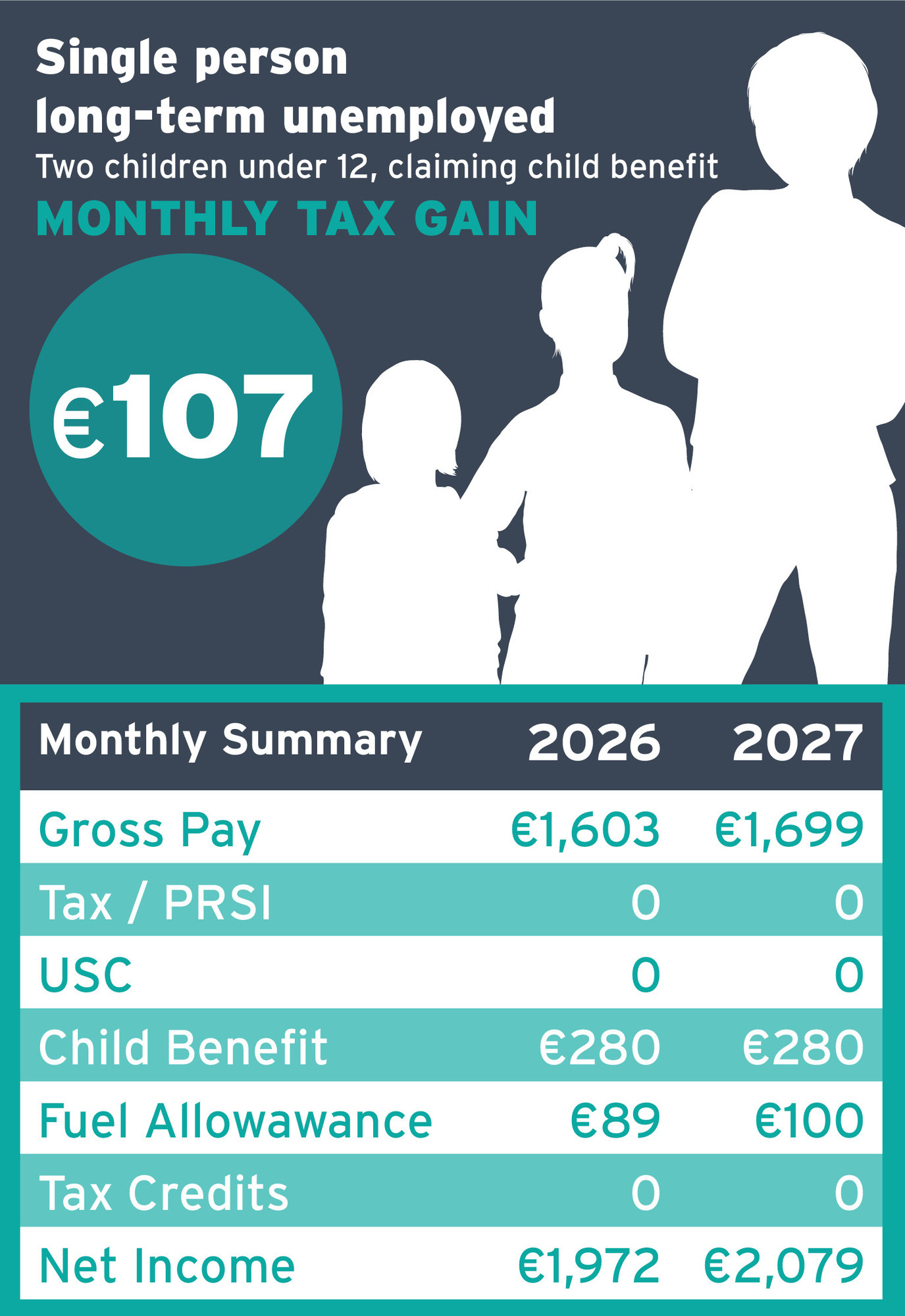
He also pointed to a €10 increase to the State Pension and a €5 increase to the Fuel Allowance.
Another caller, Eva, said Budget discussions often focused on couples and families and asked whether the Government would consider doing more for single people under 65.
“Would they consider just mentioning more about single people who are working very hard, who are actually living on their own, running a house, have a mortgage and rent,” she said.
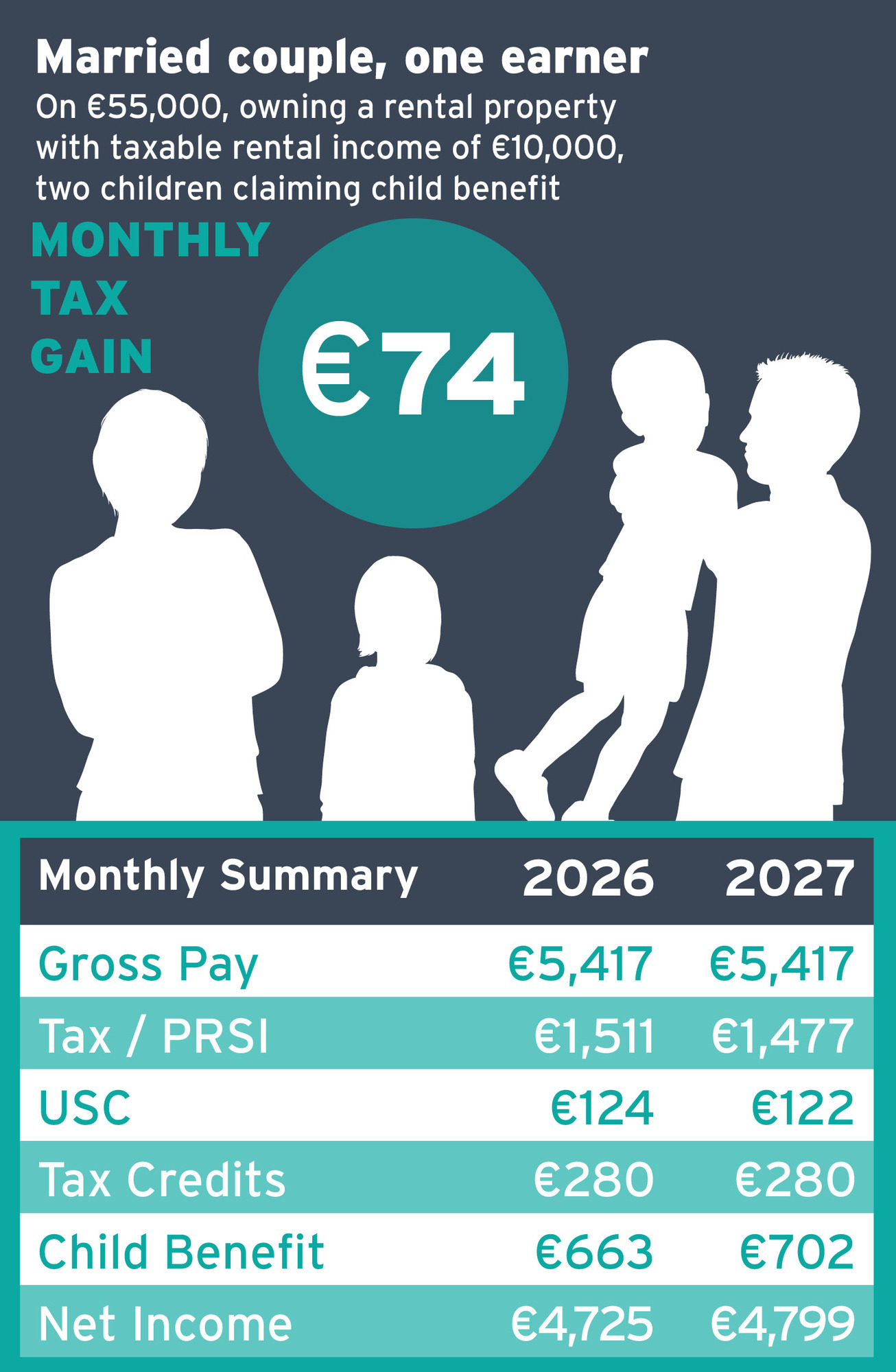
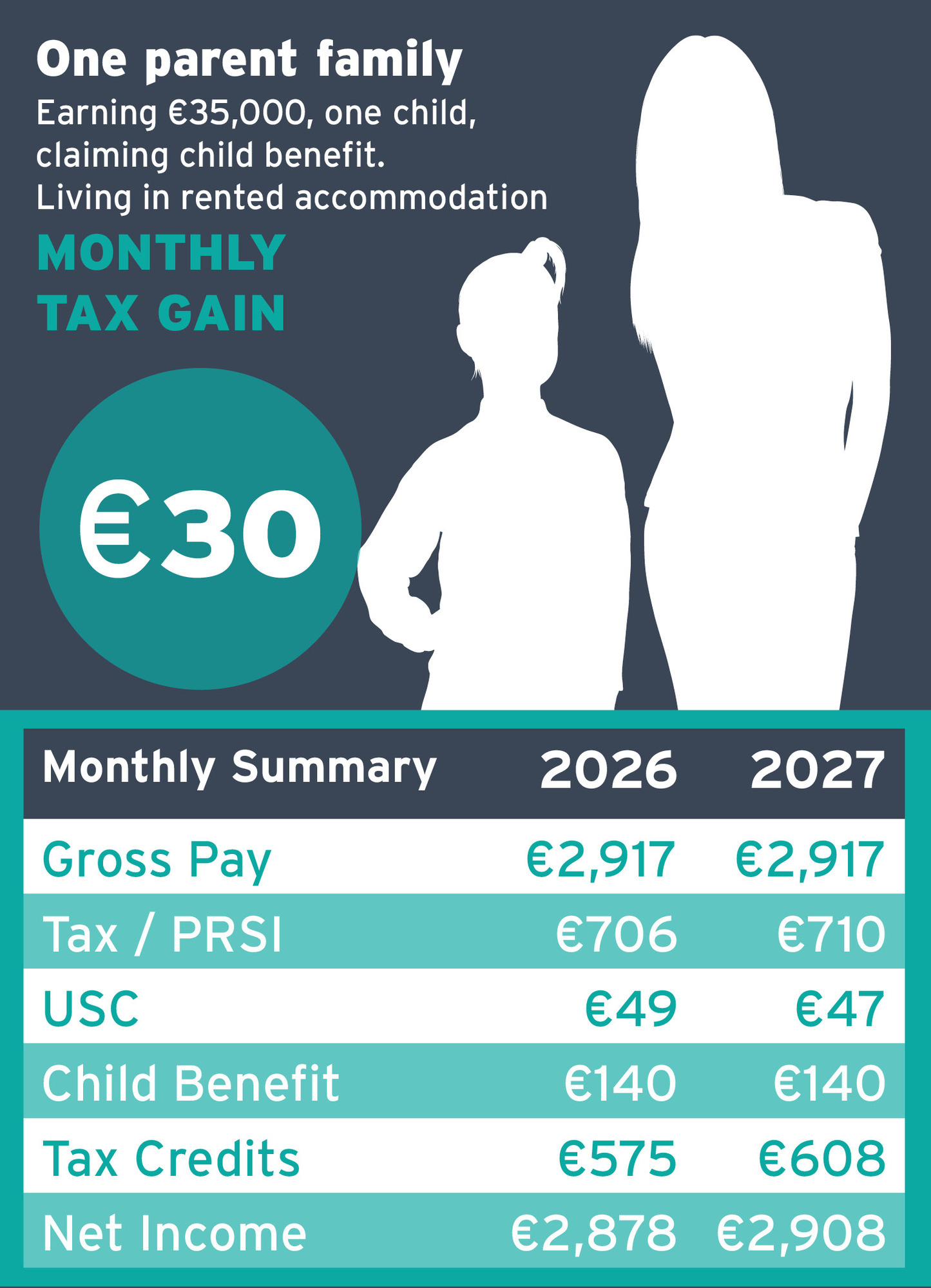
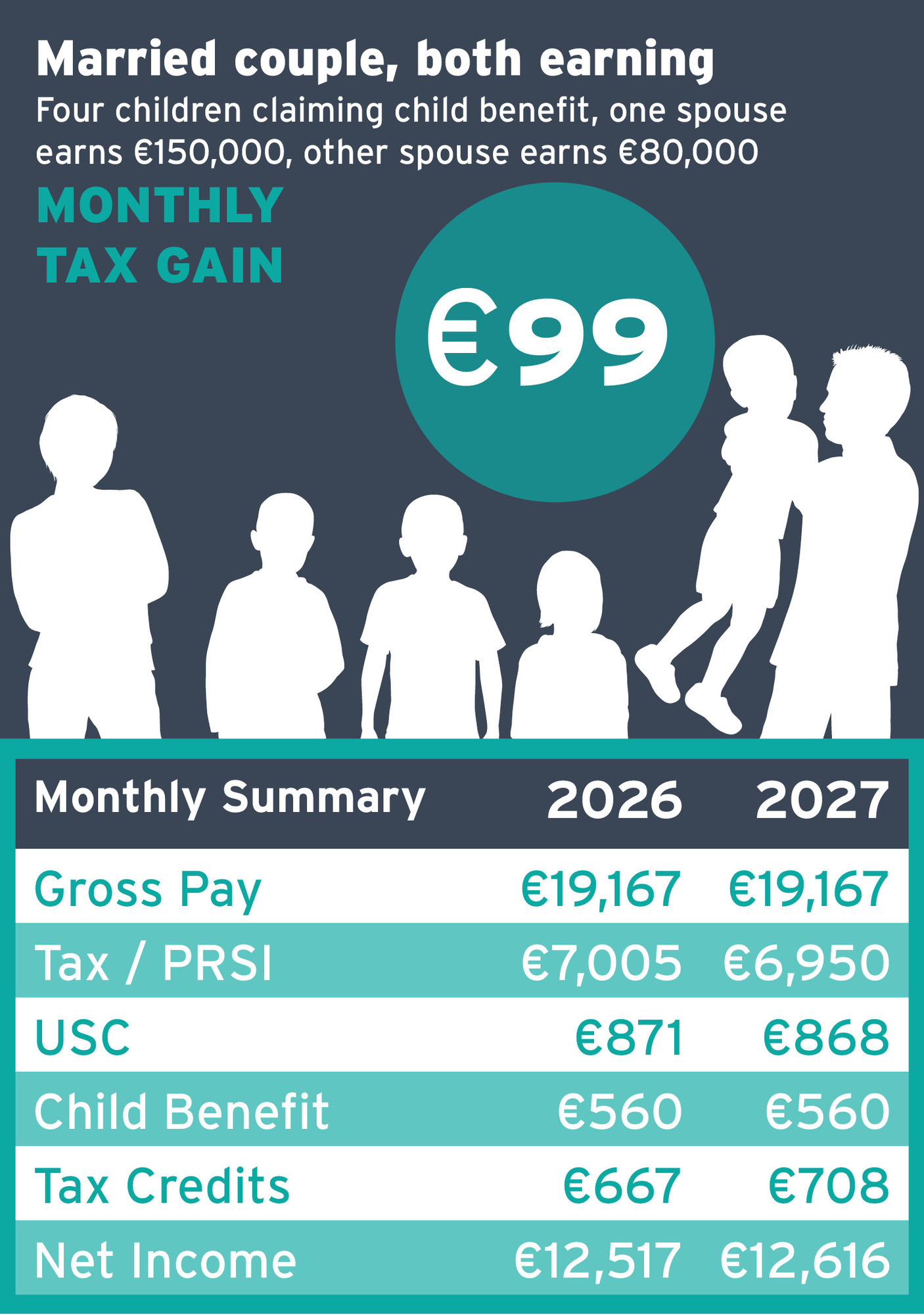
In response, Mr Harris pointed to €1.2bn in income tax cuts, including an increase in the standard rate cut-off point to €46,500 and increases in tax credits.
He acknowledged the ongoing cost-of-living pressures, including the cost of heating a home for a single person.
“I think there’s limited policy interventions we can consider in relation to what to do there. But I think using the income tax system is the most intelligent way to make sure that people are keeping more of their own money,” he said.

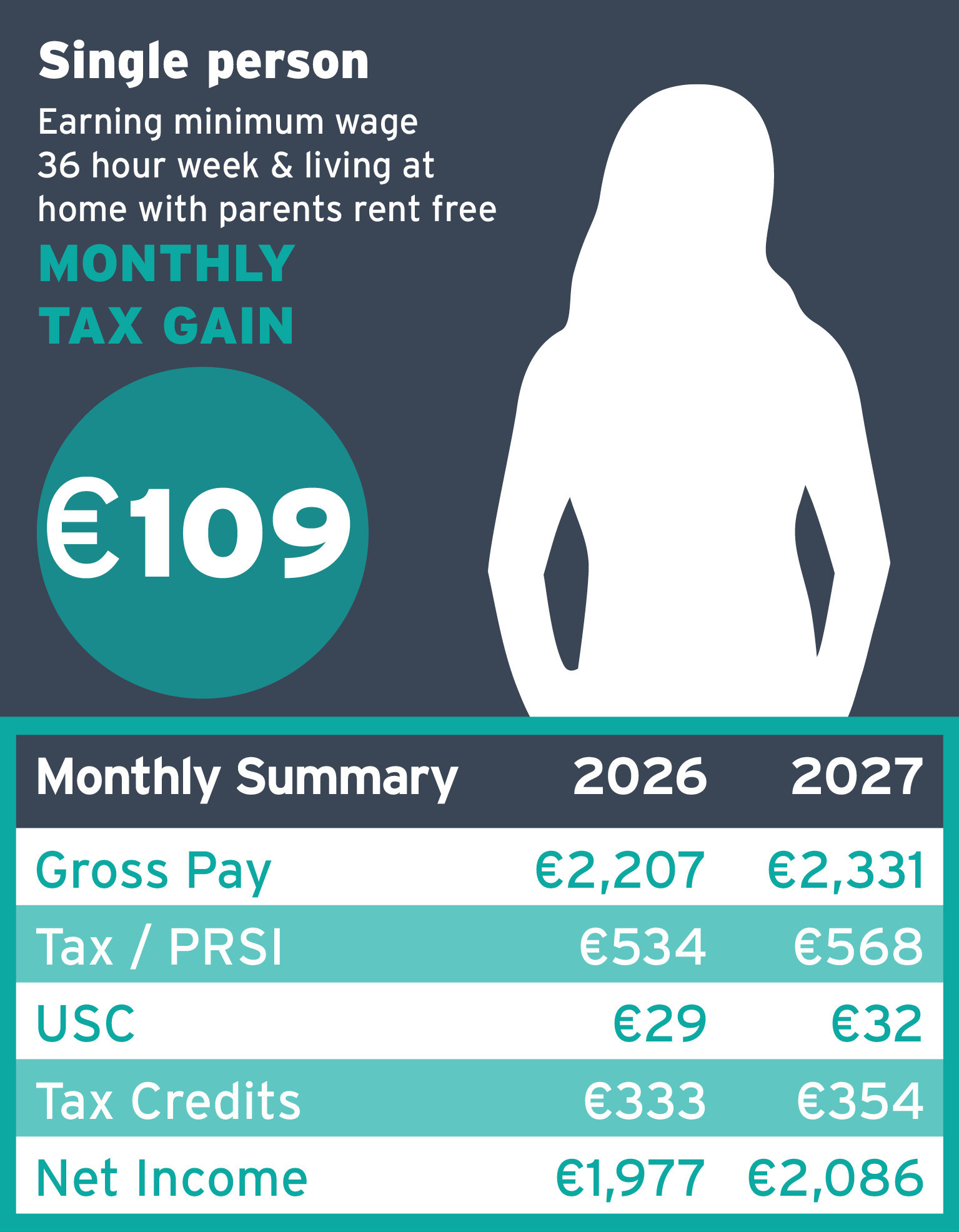
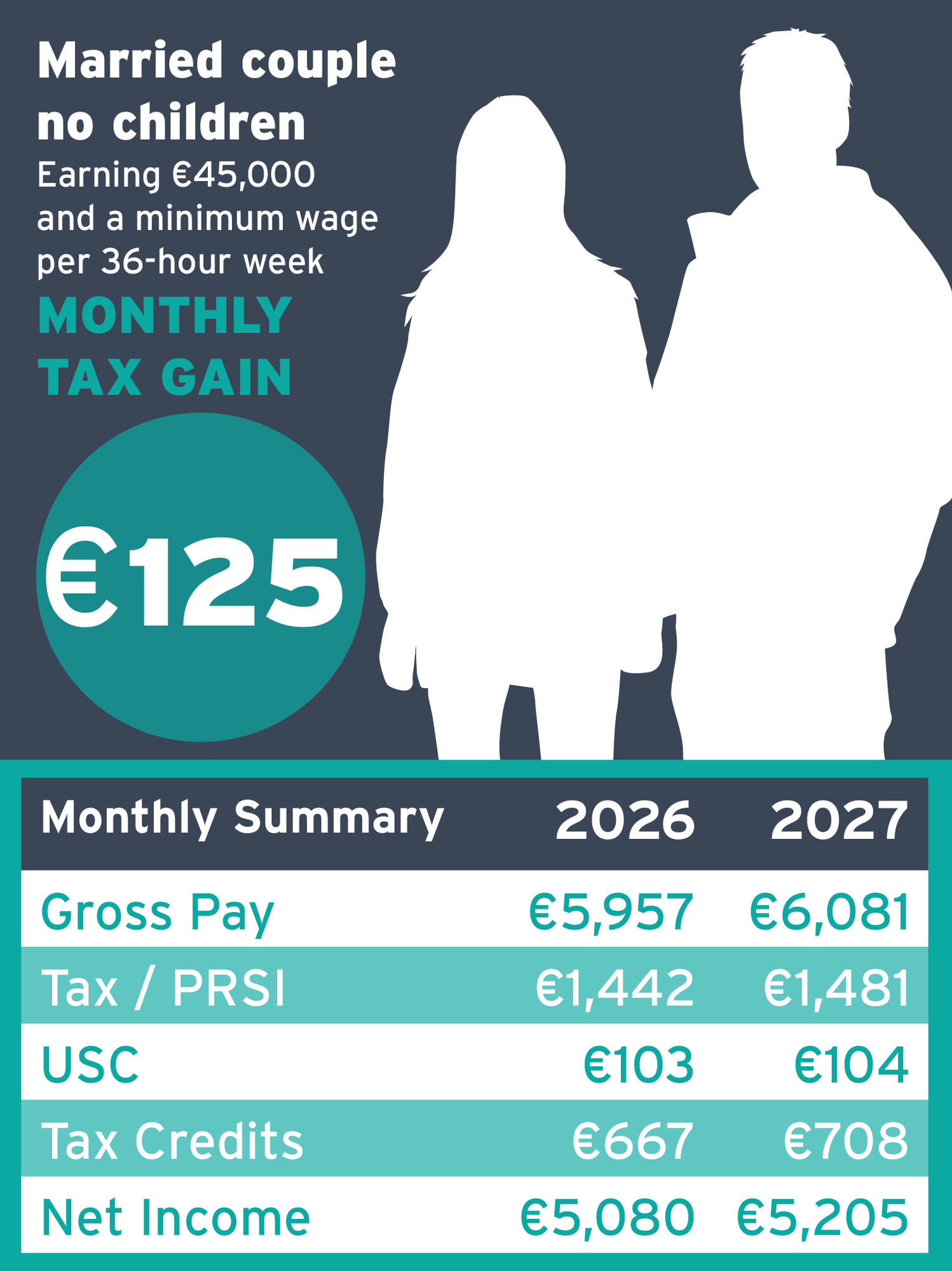
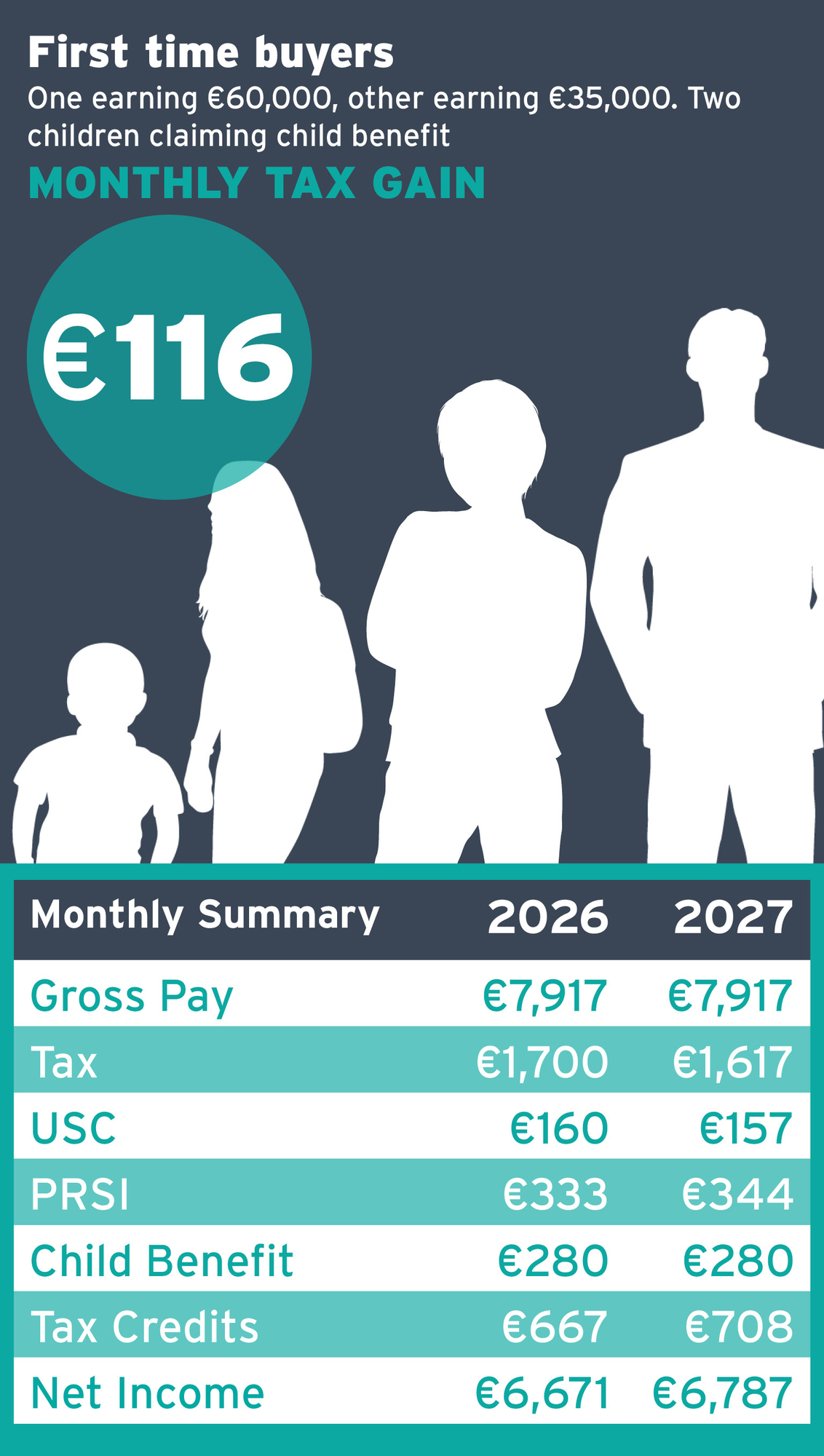
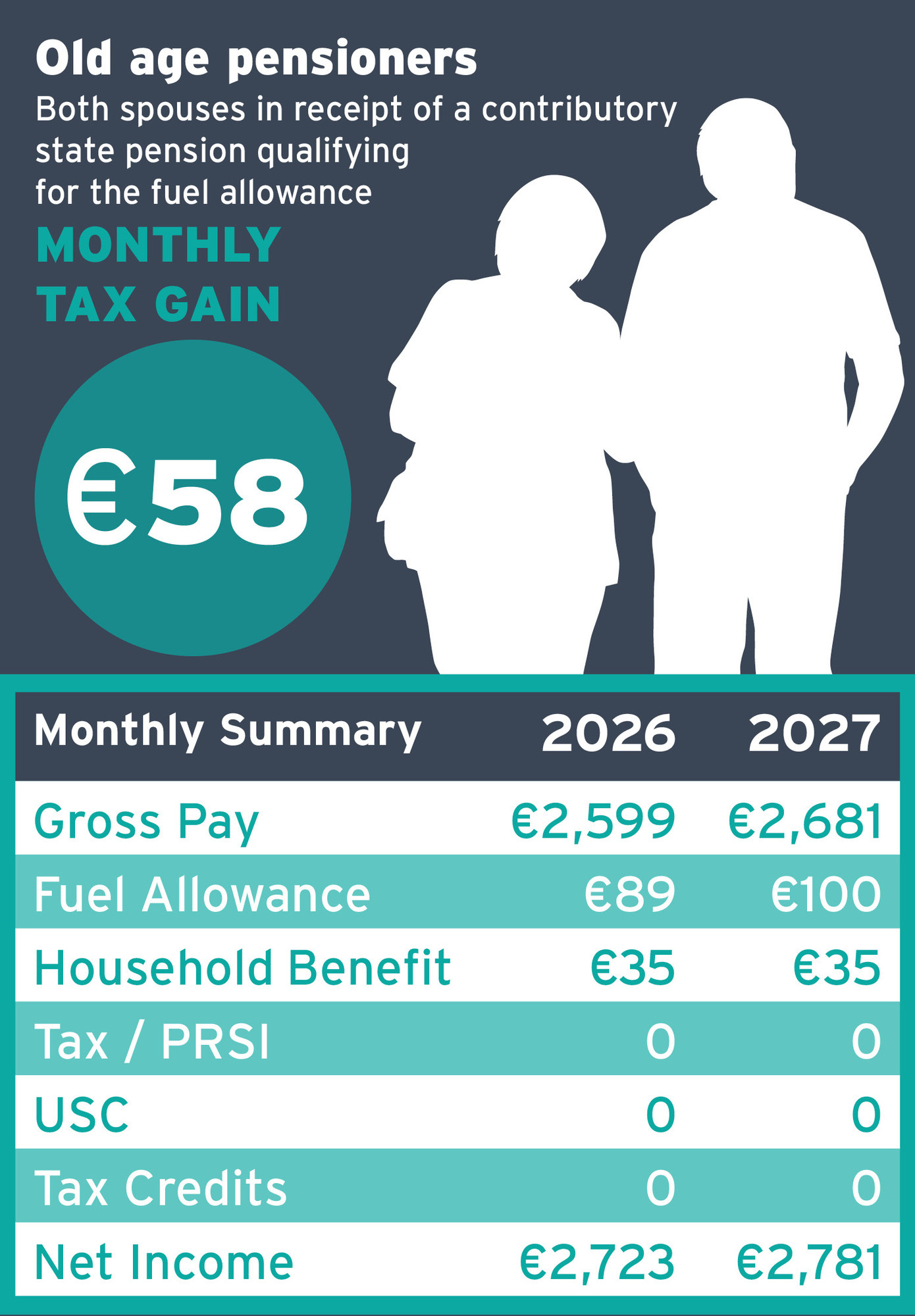
What the budget means for you
CONNECT WITH US TODAY



Be the first to know the latest news and updates