Aontú eyes fuel price cap and sanctions for civil servants in alternative budget plan
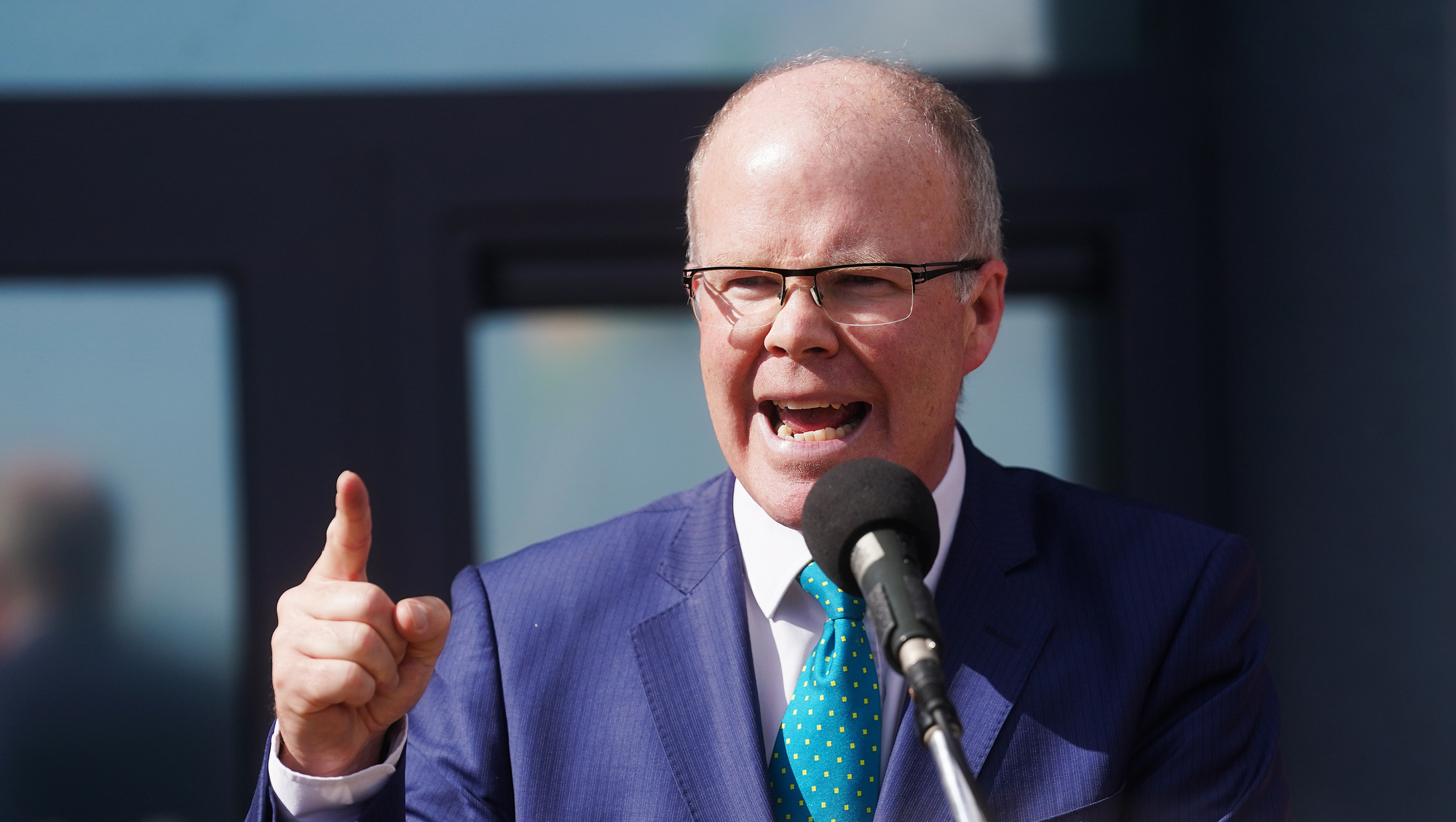
Aontú leader Peadar Tóibín: 'I would be cautious about giving tax breaks to developers. And normally, when you give a tax break to a developer, the developer consumes that tax break and doesn't necessarily pass it on.' File picture
Aontú has proposed a price ceiling for petrol and diesel, cuts to Vat on housebuilding, and a mechanism to sack civil servants if they oversee major overspends.
Unveiling its alternative budget ahead of Tuesday's announcement of Budget 2027, party leader Peadar Tóibín said Aontú would introduce a “dynamic price ceiling” for petrol and diesel. He said if prices reach €1.90 or higher, carbon tax would be cut on a “cent-per-cent basis”.
He also said the party would not reintroduce the higher rate of excise on petrol and diesel while the price remains over €2 per litre.
Mr Tóibín said he would cut the Vat rate on gas and electricity from 9% to 5%, the lowest level permitted by the EU.
There are restrictions on changing Vat rates at EU level, but Mr Tóibín said he would seek to “negotiate” with Europe to get a derogation.
Read More
The Aontú document includes a commitment to eliminate €1bn of wasteful spending in 2027. Mr Tóibín suggested senior civil servants could face contractual penalties — "up to and including them losing their jobs" — where significant waste occurred on projects under their responsibility.
Mr Tóibín said if his party were in Government, it would establish a junior minister for efficiency, whose job would be to track expenditure and report back weekly to the Taoiseach.
He added Aontú would cut €200m on the spend on external consultants, cut €100m by ending “military expenditure” to Ukraine, and audit all non-governmental organisations to cut funds to those who only work on lobbying.
On housing, Mr Tóibín said he would extend the 9% Vat rate currently available for apartment construction to new houses, arguing the move could reduce the cost of a new home by up to €25,000.
Asked about criticism of the Government's previous Vat reduction for apartment developments, Mr Tóibín noted that Aontú had proposed a similar measure last year.
“I would be cautious about giving tax breaks to developers. And normally, when you give a tax break to a developer, the developer consumes that tax break and doesn't necessarily pass it on,” Mr Tóibín said.
“But one of the really important aspects of the building trade at the moment is there's so many builders at home not building, and the reason they're not building is because the cost of building is prohibitive. They simply can’t make a profit.”
Mr Tóibín said a cut in the Vat rate would be an “activation measure”, and if market circumstances changed, he would be in favour of returning it to 13.5%.
Meanwhile, Labour finance spokesperson Ged Nash accused the Government of preparing "another dishonest budget", arguing that some of its headline measures would not take effect for many months.
He was particularly critical of planned childcare fee reductions, which are not expected to come into force until next September. The measures are expected to reduce costs by up to €1,000 a year for families with children under seven, with smaller reductions for parents of older children.
Mr Nash described the approach as "a massaging of the figures" and also criticised proposals for a lump-sum cost-of-disability payment.
The mooted payment is expected to be around €500 and will be paid out early next year.
He said the Labour Party was “clear” it should be a weekly payment, saying the Government is instead returning to the use of once-off payments.
“If Government is serious about this, they’ll ensure that this is a weekly payment that is part of the base of social welfare expenditure and should repeat.”
- Tadgh McNally, Political Reporter


CONNECT WITH US TODAY



Be the first to know the latest news and updates