Opposition parties strike a similar tune as they reveal budget proposals
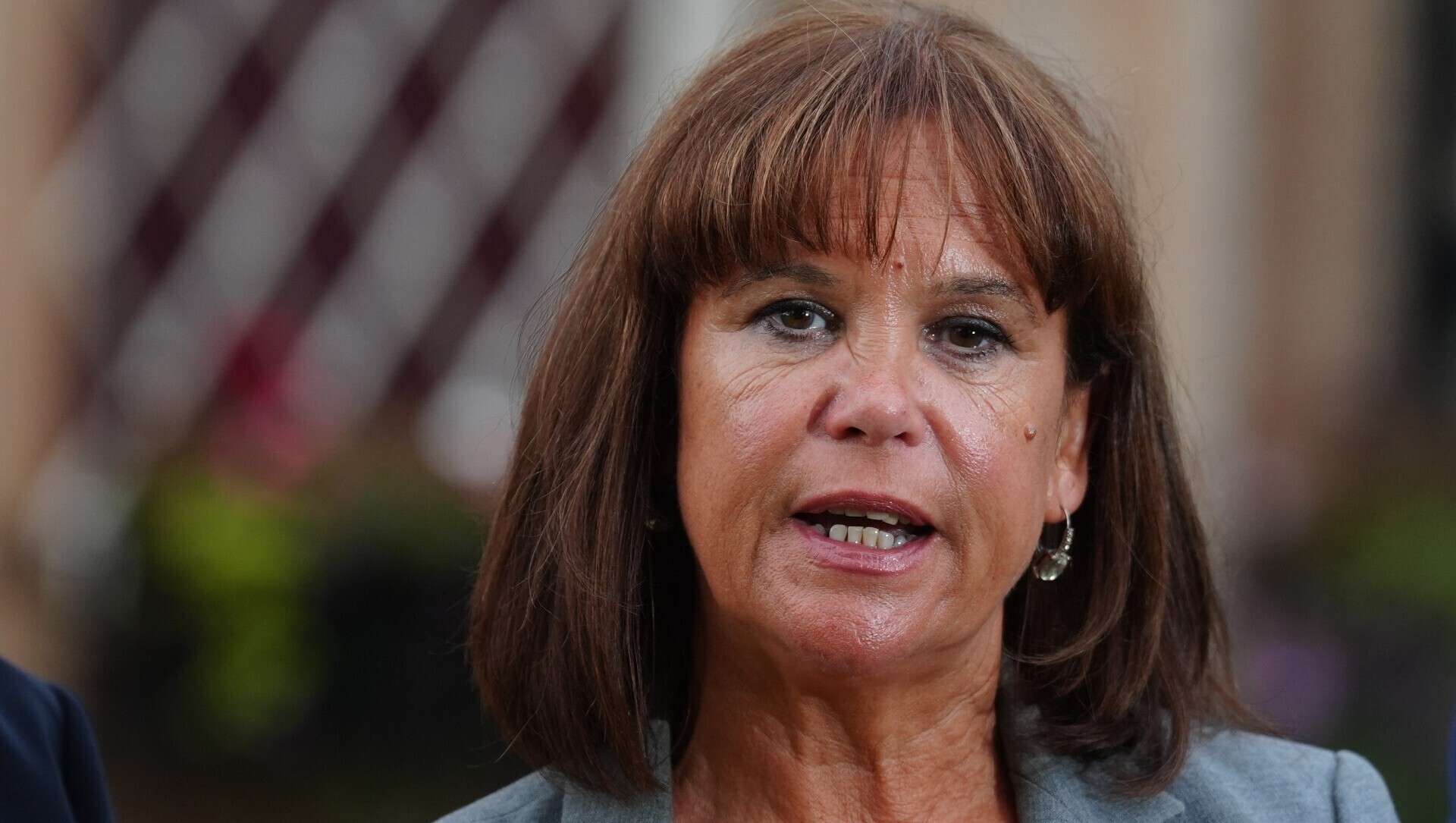
Sinn Féin leader Mary Lou McDonald launched the party's alternative budget today, with a total cost of €13.4bn for new measures. Picture: Brian Lawless/PA
With Budget 2027 just days away, Thursday offered opposition parties a chance to lay out what they would do if they held the reins of power.
Throughout the day, Sinn Féin, Labour, and the Social Democrats unveiled competing budget proposals, laying out what they would do differently.
Except there wasn't much difference between some of the documents.
Most notably, Labour's pre-budget document was titled , while the Social Democrats opted for .
In the documents, each party lays out its proposals on how to tax and spend.
Read More
A Sinn Féin government would deliver a €500 “every day essentials card”, abolish universal social charge (USC) on the first €40,000 of earnings, and extend the back to school allowance to every child.
Mary Lou McDonald, finance spokesman Pearse Doherty, and public expenditure spokesperson Mairead Farrell launched the Sinn Féin alternative budget in Dublin today, with a total cost of €13.4bn for new measures.
The Government stated in the summer economic statement that it would spend €8.5bn, including a tax package of €1.5bn.
Sinn Féin vowed that it would “permanently reduce the cost of living” by abolishing the USC on the first €40,000 of their earnings. This would result in benefits of €733 a year for those earning €40,000 or above.
The party has not proposed increasing the entry rate for the higher rate of tax, with Mr Doherty arguing this only benefits half of workers.
Sinn Féin also suggested it would extend excise duties on petrol and diesel and reduce it by a further 10c. It also said it would “abolish” excise duty and carbon tax on home heating oil.
The party is also proposing a €500 “everyday essentials card” which would be sent to 1m households to “help cover the costs of basic food and household goods”, at a cost of €500m.
While Mr Doherty said that it would be given to households in the “lower half of the income distribution”, he did not clarify the minimum household income needed, but the number of children in a family would be factored into the equation.
He also noted it would be up to the Department of Social Protection to set the criteria for his policy.
The back to school clothing and footwear allowance would be extended to all children, at a cost of €188m, under the Sinn Féin plan.
Core social welfare rates would be increased by €15 a week, with a new cost of disability payment scheme introduced. Ms Farrell said this would guarantee disabled people a set weekly income, but the allowance would differ based on their income.
Sinn Féin also proposed creating a second tier of child benefit, increasing the rate by €45 for under-12s, and €80 for over-12s.
The working family payment would also be maintained.
College fees would be cut to €1,250 for this academic year and completely abolished by September 2027.
Labour's pitch is for a "war on child poverty" and a budget that brings down household bills.
Ivana Bacik's party, along with the Social Democrats, is proposing a €400 energy credit. In Labour's case, it would be for those on under €80,000 — while for the Social Democrats, it would be those on under €70,000.
The party also wants a €7.50 a week increase in the fuel allowance, a reduction in Vat on home heating oil to 9%, and a pause on planned carbon tax and excise hikes on motor fuel — as well as a €500m investment in plug-in solar technology, which the party says could cut energy bills by up to €150 a year.
On tax, the party suggests indexing income tax, USC credits, and bands as "the obvious way to provide some relief to workers".
Labour says that this would put over €530 back in the pockets of a single worker earning a wage of €50,000. It would also commit €1.15bn to fund a new public sector pay deal in 2027.
This is equivalent to phased pay increases of 4% next year, worth a further €20 per week after tax to someone earning €50,000.
Labour's document also calls for a €15-per-week increase in core welfare rates, as well as a €30 per week cost of disability allowance — which would cost almost €400m — and an increase to the living alone allowance by €5 per week.
Labour also wants to double the rent tax credit to €2,000 and stop the increase in public transport fares.
Labour wants to begin the process of capping childcare costs at €200 per month by adding €109m to the cost of subsidies this year and next year.
The Social Democrats have suggested a €15 weekly increase for pensioners, as well as a second tier of child benefit to tackle child poverty — along with abolishing the means test for the carer’s allowance, and a €40 per week cost of disability payment.
The party is also proposing increasing the State-led delivery of affordable housing and the building of four modular home factories, which deputy leader Cian O'Callaghan said would likely be on Land Development Agency sites.
The Social Democrats document contains a 'Solar for All' plan to help reduce energy costs. This would also see the doubling of grants for solar installation to €3,600, the creation of a €1,000 grant for battery storage, free solar panel installation for households most at risk of energy poverty, and the roll-out of plug-in solar.
The party would also invest in income tax indexation, which would include €350 for workers through increased tax credits, and raising the standard rate cut-off point by €1,300.
In health, there would be a €957m investment in delivering Sláintecare and funding staff recruitment in the health service; as well as a €1.2bn investment in disability services, community living, and mental health.
The party also calls for the increasing of capitation grants, ending voluntary contributions, free school transport, and expanding hot school meals.
CONNECT WITH US TODAY



Be the first to know the latest news and updates