Tadgh McNally: From Burnham to Trump, Irish unity debate has been given a rocket boost
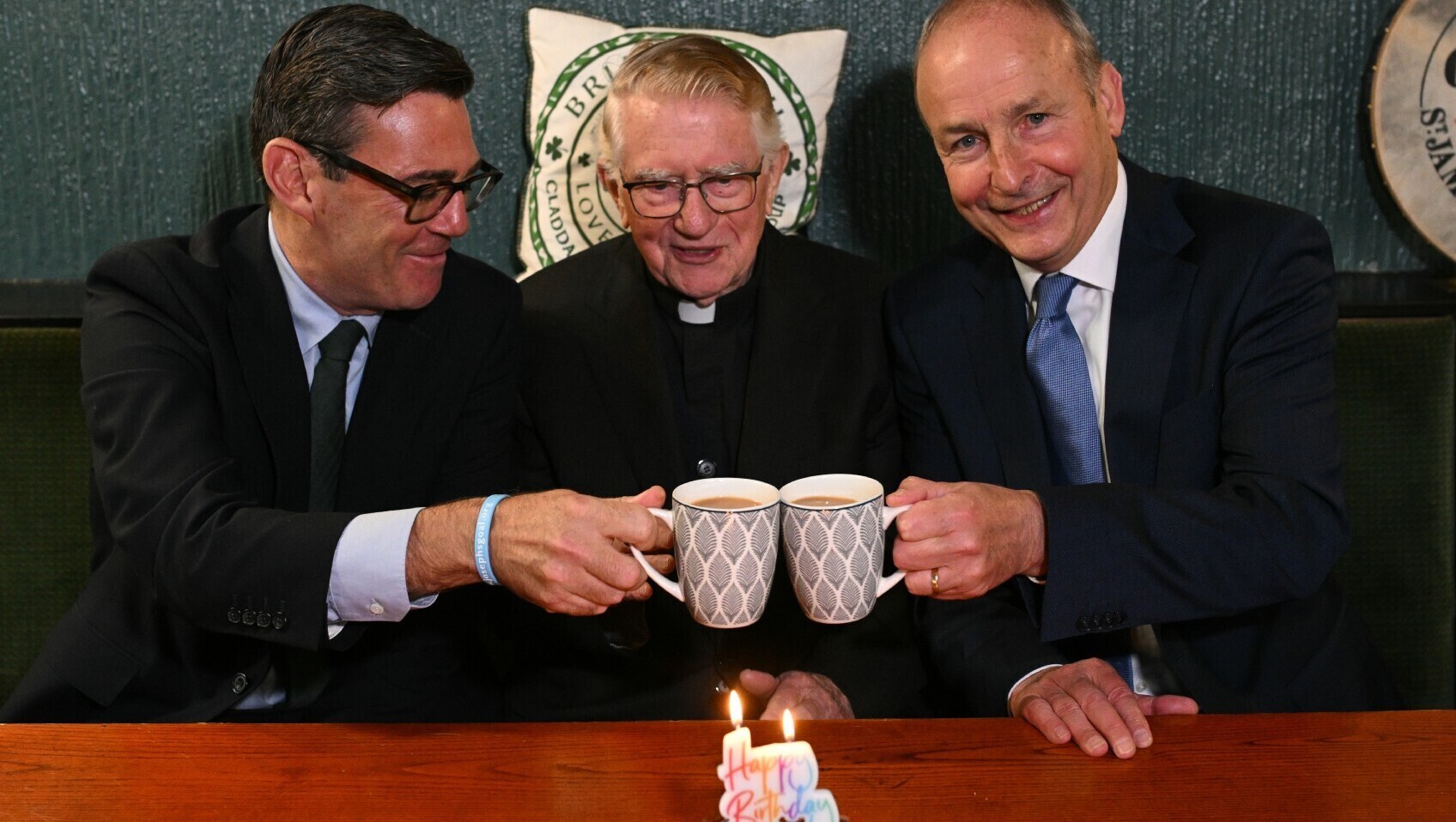
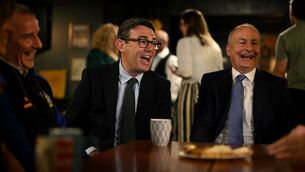
UK prime minister Andy Burnham and Taoiseach Micheál Martin toast Canon Patrick J MacNally on his 90th birthday during their visit to the Brian Boru Irish Club in Ashton-in-Makerfield, Wigan. Picture: Oli Scarff/PA
When Andy Burnham declared in late August that a border poll was "off the table", he is unlikely to have anticipated the US president throwing his weight behind Irish unity.
As the British prime minister met Taoiseach Micheál Martin in Manchester on Friday, however, Irish unity and a border poll remained firmly in the conversation.
After decades of slow-rolling discussions, debate around a united Ireland has accelerated dramatically in recent years.
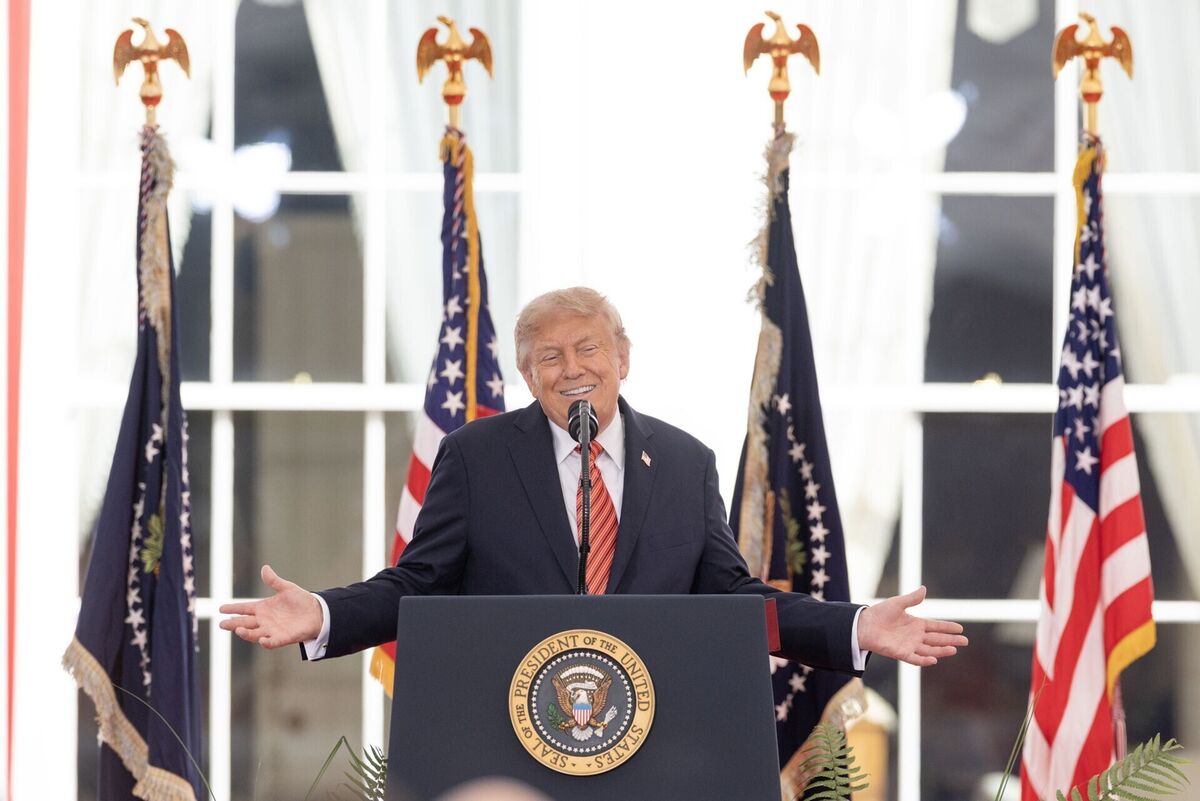
On his visit to Ireland last week, US president Donald Trump gave conversations around unity a rocket boost.
In a typically Trumpian fashion, he described Irish reunification as "one of the naturals of all time" and that he would love to see it happen.
Read More
It wasn’t Trump’s first mention of the matter either, with a joke from the US president on Capitol Hill in March referring to a “merger” between North and South due to the good relations between the Taoiseach and deputy first minister Emma Little-Pengelly.
The remarks came just days before a summit involving Sinn Féin, the Scottish National Party, and Plaid Cymru.
The respective parties currently lead the devolved administrations in the North, Scotland, and Wales and all support constitutional change.
The approach contrasts with the Irish Government's position on reunification and has drawn criticism from Mr Martin, who has expressed concern about linking the question of Irish unity with Scottish and Welsh independence movements.
“We’ve always identified the North as exceptional, as being an issue in terms of the partition of Ireland,” said the Taoiseach.
"I think strategically I’m not clear that Sinn Féin is on the right track at all and may even set back unity by that move that they’ve made.”
It all stems from Mr Burnham’s remarks that a border poll was off the table.
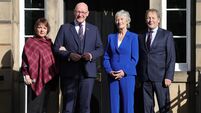
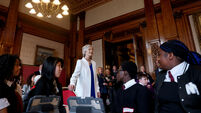
Scottish first minister John Swinney did not hold back during President Catherine Connolly's visit to Scotland this week. He told the on Wednesday that Burnham had displayed a “terrible ignorance” of the Good Friday Agreement.
Read More
Despite growing pressure on the British government to clarify the conditions under which a border poll would be called, Mr Burnham appears determined to hold that line.
The Taoiseach, speaking after his meeting with Mr Burnham on Friday, said he did not believe the British government was at a stage where it would be willing to outline that criteria.
The British prime minister, meanwhile, mainly focused on his domestic cost-of-living agenda rather than returning to the issue of Irish unity.
For all the debate over whether a border poll is near or far away, some veteran political figures believe the destination is ultimately not in doubt.
“Well, of course, in the long term, Ireland will be united,” former British prime minister Gordon Brown told 'the Guardian'.
He acknowledged that any moves would be a “long process”, where people will need to come together and agree.
“Basically, that is the issue: Whether people can actually agree.”
Former taoiseach Bertie Ahern seems to be in the same camp, all while being disappointed that in the almost 30 years since the Good Friday Agreement, little political progress has been made towards uniting the island.
But to facilitate wider agreement of nationalists and unionists, one side will have to move first, and it seems unlikely to be the British.
- Tadgh McNally, Irish Examiner Political Reporter, in Manchester

CONNECT WITH US TODAY



Be the first to know the latest news and updates