Fresh blow for play therapy students as board resigns
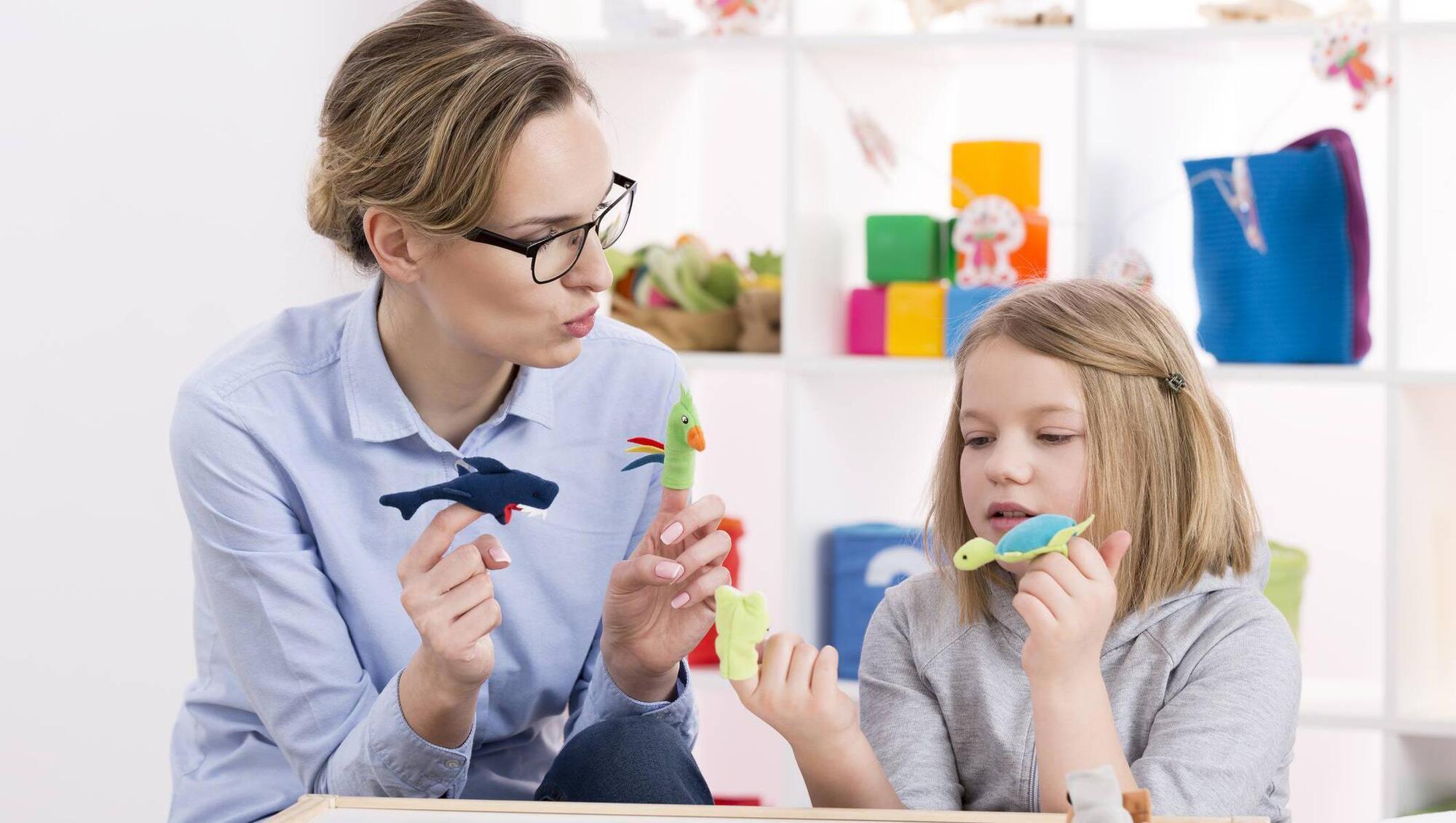
Students who were already facing great uncertainty regarding their placements and fees due to the liquidation of their courses' UK-based training body learned of this news via a Zoom call, it is understood. File picture
Students who invested significant time, effort, and thousands of euros into play therapy training have been dealt a further shock this week as the board of the courses’ Irish facilitator collectively resigned.
The board of Play Therapy Ireland, the membership body for play and creative therapists in Ireland, announced it was resigning with immediate effect on Wednesday evening.
Students who were already facing great uncertainty regarding their placements and fees due to the liquidation of their courses' UK-based training body learned of this news via a Zoom call, it is understood.
It follows the voluntary liquidation of the UK-based Academy of Play and Child Psychotherapy (APAC) in recent weeks, which has left affected students in Ireland “reeling”, and potentially facing financial losses of thousands in course fees and expenses.
Play Therapy Ireland facilitated training courses delivered by APAC. Its website describes how the Level 9 postgraduate certificate in therapeutic play skills has been associated with University College Cork. Courses are also accredited by the University of Chichester.
In a statement, the board of Play Therapy Ireland said: “Given our significant concerns about transparency and ethical practice, we no longer feel able to continue in our current roles.
“We understand that this brings further change at a time when many play therapists and trainees are already dealing with considerable uncertainty.”
Read More
Contact to the group will no longer be managed by the current board and will be handled instead by Play Therapy UK.
Affected students say they were already in the dark prior to this announcement about a range of issues relating to their courses, including practical details such as placements, assignments, and deadlines, accountability, and what recourse they have to the fees they invested in the programme.
In a statement, Play Therapy UK said it recognised "the considerable distress and uncertainty experienced by students following the liquidation".
"PTUK was not involved in the financial arrangements between APAC and its students. Enquiries about fees or their recovery must therefore be directed to APAC’s appointed insolvency practitioners."
A spokesman for the Department of Further and Higher Education said APAC was a "private institution" and "does not fall within the remit or regulatory oversight of the department".
A number of private education providers operate in Ireland without State accreditation, he added.
"Such providers may offer programmes accredited by overseas institutions or bodies, or indeed programmes that are not formally accredited. There is no legislative impediment to such arrangements."
The spokesman said students who have queries regarding the UCC-associated programmes could contact the university directly, adding "it is the minister’s hope a satisfactory resolution can be achieved for students as quickly as possible".
The department has also been informed APAC was involved in arrangements with the University of Chichester regarding pathways to further study.
In a statement, UCC said: "The programmes in question were qualifications awarded by UCC, with APAC Ireland delivering elements of the courses.
"We do not accredit awards of third-party providers. Upon successful completion of the course, graduates are eligible to apply for membership of Play Therapy Ireland/UK."
It added: "UCC will continue to communicate with and support its registered students on this matter.”
A spokeswoman for the University of Chichester said it was working closely with students and has secured appropriate teach-out arrangements for them.
"We will continue to communicate directly with these students as those arrangements progress, with the aim of minimising disruption and enabling them to complete their qualification.
"We have rebooked the original venues in Ireland [in Cork and Dublin] and have re-employed the course directors."


CONNECT WITH US TODAY



Be the first to know the latest news and updates