'Mixed views on the science' behind drug to treat Friedreich’s ataxia, Tánaiste says
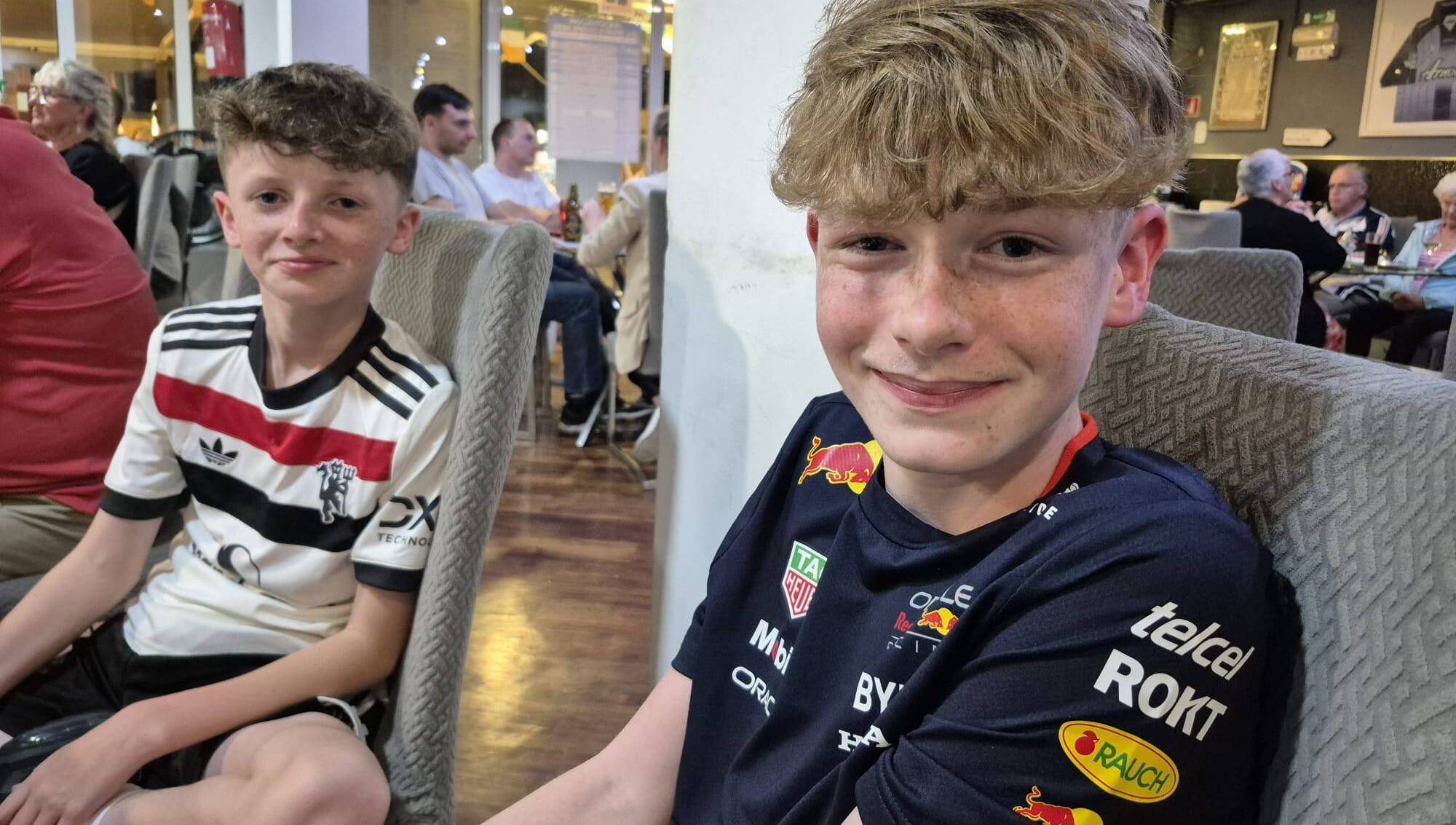
Craig Coady's sons Paudie and Rory, who died last September.
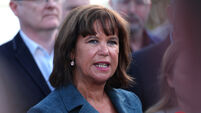
Tánaiste Simon Harris has said the deferral of a decision on the drug Skyclarys for the rare disease Friedreich’s ataxia was an attempt to “give this every possible chance” but there were “mixed views” scientifically on it.
In the Dáil, Sinn Féin leader Mary Lou McDonald told the Tánaiste she was “begging” him to “intervene” and ensure a decision on Skyclarys is taken, arguing patients did not have four weeks to wait for the Rare Diseases Technology Review Committee to report.
The HSE Drugs Group met earlier this week to discuss Skyclarys, the drug for Friedreich’s ataxia, a rare genetic disorder that causes progressive damage to the nervous system. It decided to defer a decision for three to four weeks so further research on the drug could be completed.
On the final day of the Dáil term, Ms McDonald pointed out to the Tánaiste she did not usually take Leaders’ Questions on a Thursday, but she was “terrified” for patients with Friedreich’s ataxia and was “begging” the Tánaiste to intervene.
“More delay, more time-wasting, time that these people simply don't have because this condition doesn't slow down, it doesn't pause. It doesn't stop for the summer holidays or recess. It just gets worse,” she said.
“It robs you of your ability to stand, to walk, to swallow. It can rob you of your sight and your speech. And when Friedreich's Ataxia strikes your body, it invades every facet of you.”
Read More
In response, the Tánaiste denied there was buck-passing, and implied the HSE’s decision to organise a meeting of the Rare Diseases Technology Review Committee showed it “intended to ensure that every possible opportunity is given to a medicine to demonstrate the effectiveness”.
Mr Harris said while he knew it was “frustrating” for families, there was an “ongoing process” that was being “guided by science”.
“This is also just the truth; there are mixed views on the science in relation to this,” he said.
“There are a number of European countries that have said no [to Skyclarys]. There are some that have said yes.
“We would not have a situation where the HSE Drugs Group was deciding to set up a rare diseases expert panel to look at this, to bring together the national experts, to bring together the patient advocates, to hear their voices, to hear their views, if they didn't want to give this every possible chance.”
Cork North-Central TD Pádraig O’Sullivan raised the case of Cork father Craig Coady with the Tánaiste, telling the Dáil his son, Friedreich's ataxia patient Paudie (16), asked if the drug had been approved this week.
His brother Rory, 13, died last September with the same condition.
Paudie told his dad that "it's ok if we don’t get the drug, because at least if I die, I’ll meet Rory”.
“I am pleading that [the review] will be done as expeditiously as possible,” Mr O’Sullivan said.
“I am not asking you to comment on the process itself; I know we have to respect it. But just in the event, or the possibility of that review committee can be brought forward, to convene as quickly as possible, and to see this through, one way or another.”
Health minister Jennifer Carroll MacNeill said the health technology group provided an “extra opportunity” for doctors to advocate for the medication.
She said while she asked for it to be brought forward, this depended on the availability of clinicians.
CONNECT WITH US TODAY



Be the first to know the latest news and updates