Taoiseach suggests Cork's Tyndall Institute could help protect undersea cables
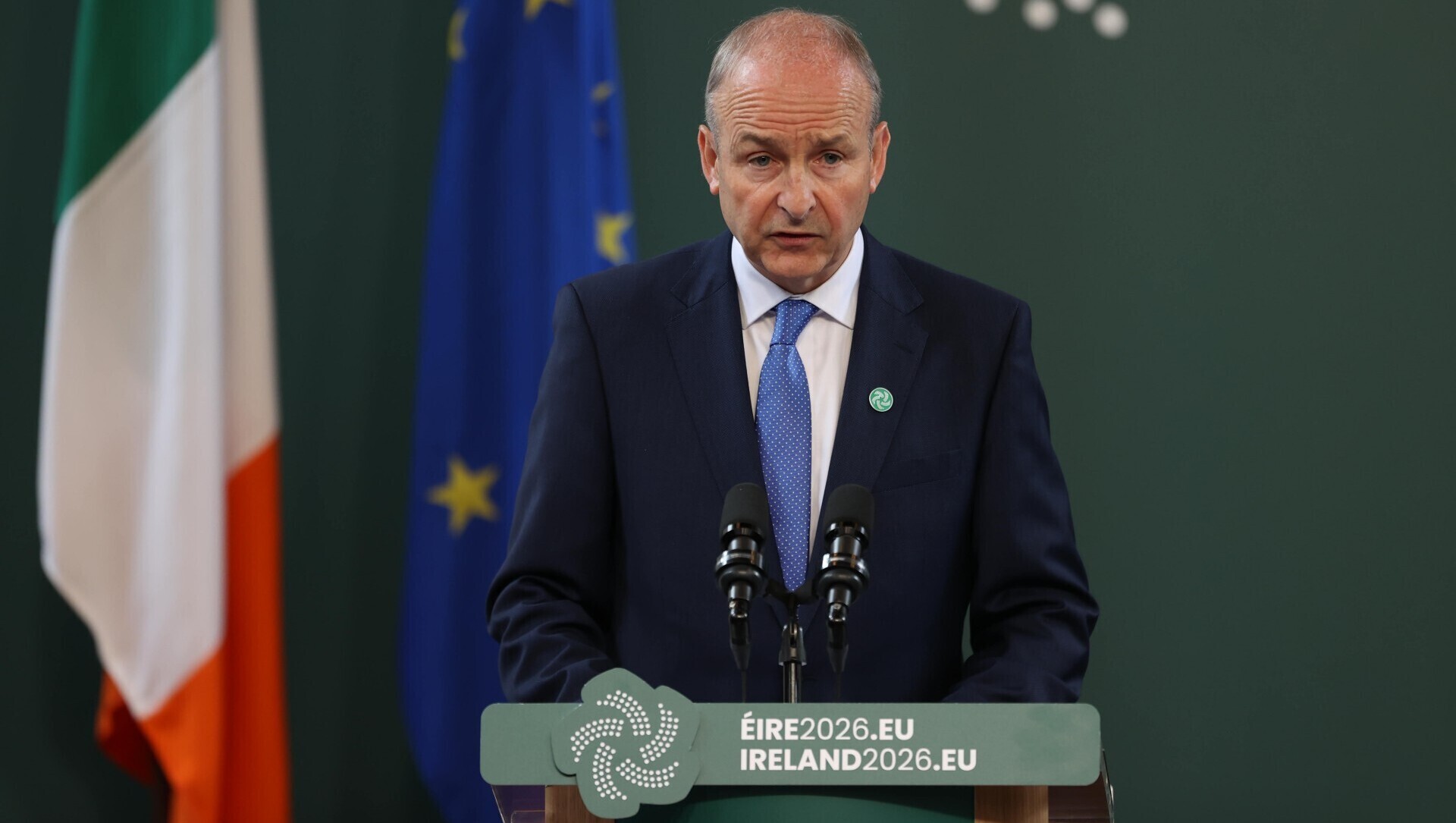
Micheál Martin highlighted the Institute's research of cable types and methods to protect key underwater infrastructure off the Irish coasts. Picture: Liam McBurney/PA Wire
The Taoiseach has said new technologies will be used to protect Ireland’s undersea cables and pointed to the role Cork's Tyndall Institute could play.
Micheál Martin highlighted the Institute's research of new cable types and methods to protect key underwater infrastructure off the Irish coasts.

Speaking alongside European Commission president Ursula von der Leyen on Friday, Mr Martin said Ireland’s maritime security is “extremely important”
Questioned about Ireland’s ability to protect its undersea cables, Mr Martin said the Government would be providing “facilities and resources” to protect the infrastructure. He then cited plans to increase investment in defence.
“What's quite clear is that technology is going to play a key role here, particularly when it comes to protecting the undersea cables,” Mr Martin said.
Read More
He cited a visit to the Tyndall Institute, a deep-tech research centre in Cork City, where he heard about its research technology which could be used to protect undersea cables.
Ms von der Leyen said the institute is researching cables which would be “thinner than a hair”, alongside signal technology which would provide information when either sea creatures or ships pass by.
Concerns have been raised about Ireland’s capacity to defend key underwater infrastructure, with an expert European Commission group previously warning that the State’s dependence on the UK for digital and electricity connections provides “significant operational and security risks”.
Meanwhile, Ms von der Leyen denied that the European Commission is dragging its feet on new measures to sanction Israel over its war in Gaza.
Ms von der Leyen said she wanted to “set the record straight”.
“We are the world’s largest provider of assistance to the Palestinian people. No one does more than us,” she said.
Following the opening days of Ireland’s EU presidency and the barrage of high-level meetings, the pace is expected to slow as Irish locations host more informal talks between EU ministers.
While there are a significant number of meetings to be held over the coming months, they will be much more low key than the opening two days when the focus of the international media was on Ireland.
The next large event, however, will be the hosting of a European Political Community Summit in November, when 47 European leaders will visit Dublin for talks.
- Tadgh McNally is a Political Reporter with the