Electoral Commission: 300,000 names removed from register in two years
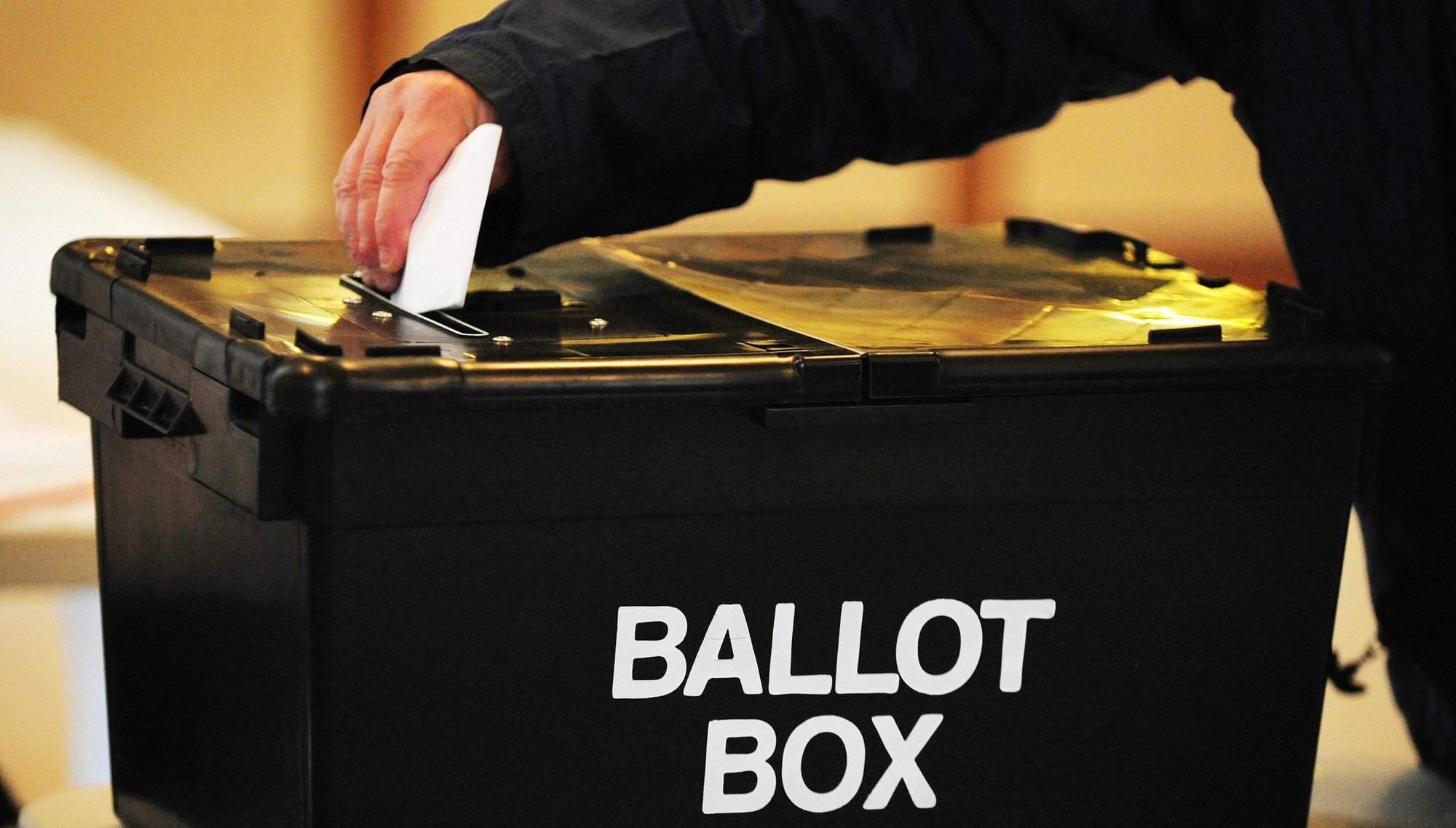
Electoral Commission warned last year that there are 'hundreds of thousands' more names on the register than there should be — but that there is no way to find out the exact number. File picture
Around 300,000 names have been removed from Ireland's electoral register in the last two years, the head of Ireland's elections watchdog has said.
The Electoral Commission's chief executive Art O'Leary told RTÉ's programme that the register is so unclear that authorities don't know what size it should be.
"We don't exactly know how many people are on the register that shouldn't be," he said.
Read More
"The academic estimates vary from 200,000 to 500,000, but ... 300,000 entries on the register have been deleted in the last two years," Mr O'Leary added.
In a report last year, the commission warned that there are “hundreds of thousands” more names on the electoral register than there should be, including dead people — but that there is no way to find out the exact number.
Data at the time showed that 11 local authorities have more people registered to vote than eligible.
The research from the Electoral Commission raised “deep concerns” about the accuracy of Ireland’s electoral registers, which are spread across all 31 local authorities.
In its report, the Commission has flagged there are “significant” numbers of duplicate or redundant entries within the 31 individual electoral registers.
According to the Commission, this is due to issues with people moving from one part of the country to another but not having their names removed from the electoral register.
It is also due to people dying, or emigrating to another country.
Mr O'Leary said that "brilliant work" had been undertaken to tidy up the rolls and that he hopes that a single database will be in place by the end of the year. He said:
"These things happen all the time, so it’s a constantly evolving issue,” he said.
“All I can say is that we’re in a much better position than we were this time last year, and by 2029, I think we should be much closer to what we’re looking for.”
Mr O'Leary added that there was "enough" money in a €3 million allocation made by Housing Minister James Browne for modernisation work last year.
“There’s a huge amount of work being done and the Minister for Housing has invested heavily in local authorities. Each franchise section now has additional staff to manage the register and what we’re looking to see is that continuing to be a priority in the years ahead,” O’Leary said.
“Accuracy means that the details we have for an individual on the register are correct and they’re only on the register once. Completeness means that everybody’s entitled to vote should be on the register.”
- Paul Hosford, Deputy Political Editor

CONNECT WITH US TODAY



Be the first to know the latest news and updates