Fuel crisis likely to add to medicines shortages in Ireland
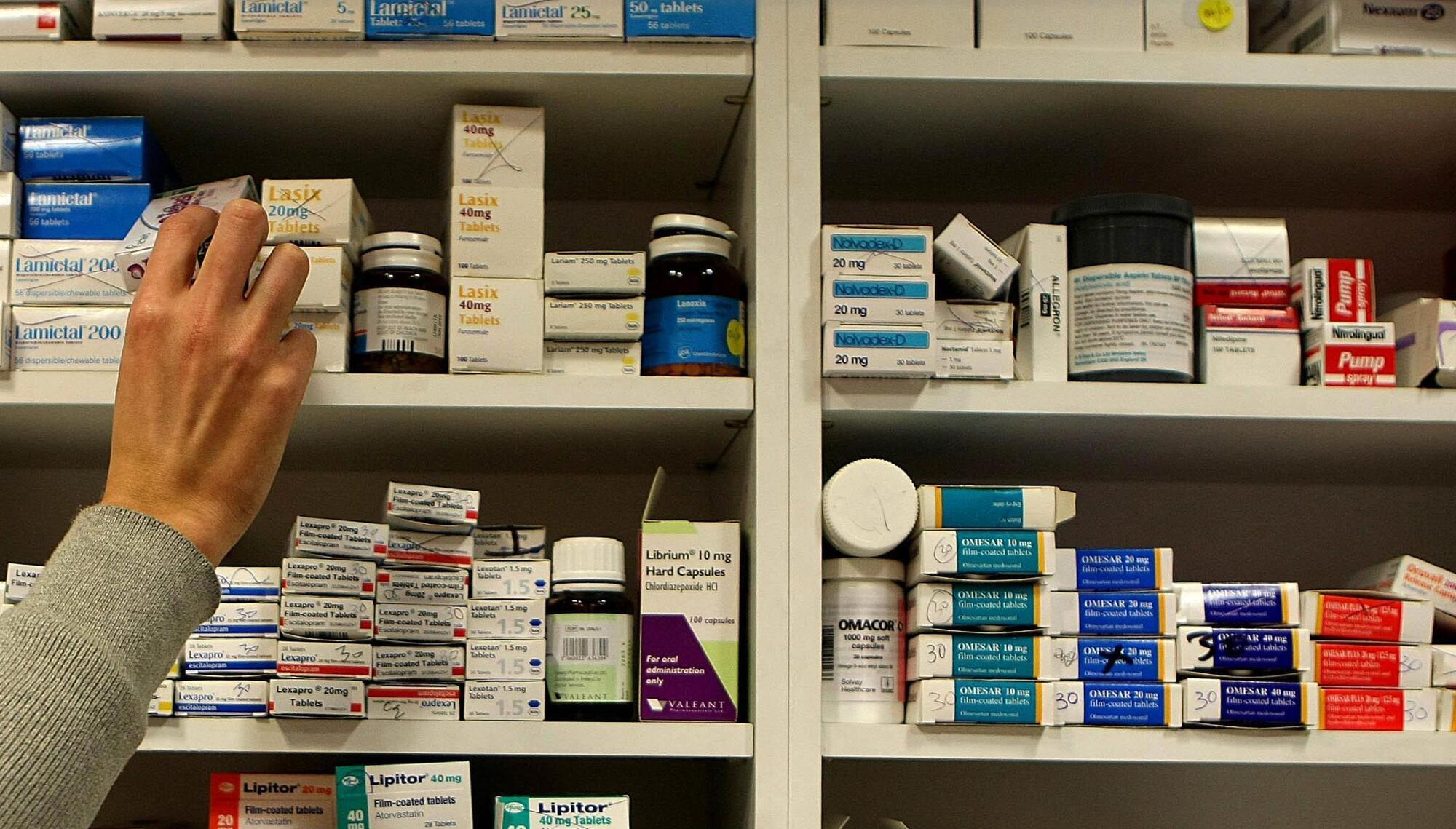
The US and Israel's war on Iran and the knock-on squeeze on fuel supplies is likely to put further pressure on global supply chains, affecting many sectors including the supply of medicines. Picture: iStock
The Irish medicines regulator gets around 111 notifications of medicines shortages every month and the fuel crisis is likely to add to this.
Manufacturing issues account for just over half of all shortages according to Ellen McGrath, Health Products Regulatory Authority (HPRA) medicine shortages and borderline classification manager.
“We get about 111 notifications a month of actual or potential shortages, that’s 2025 data,” she said.
Read More
In 2022 manufacturing issues accounted for 50.6% of shortages, followed by 16.7% related to a sudden rise in demand and commercial reasons linked to 11.2%.
Distribution issues accounted for 10.6% of shortages, her data shows.
“It’s a global problem, it’s a global supply chain,” she said.
She added: “It’s so complex, so at the moment we see issues with the petrochemical industry and by-products like plastic.
“Most of our tablets are put into plastic packaging, aluminium foil, and this is probably happening at the back-end where the supply disruptions happen.”
There is a framework agreement in Ireland to try and limit this. It involves patient groups, the HSE, and other State groups.
“We actually, under the framework, prevent about 20% of shortages when we look at all the data that’s available to us,” she said.
Interaction with pharmaceutical companies is “critical” she added as they have to give notice of upcoming shortages.
“We get on average 11 days’ notice,” she said. “So the new pharmaceutical legislation is mandating six months in advance of a supply interruption.”
This was agreed last month between the state and the pharma industry.
She shared data showing that, up to now, notice is 19 days in advance on average in February but drops to three days around Christmas and 10 days after a shortage occurs in July.
She described the impact of getting "good notice" for a looming shortage of pabrinex, a high-dose vitamin injection.
Doctors had time to change how they used this to focus on high-need patients and limit waste more than usual.
“That was so effective that the shortage was delayed by nearly over a year,” she said.
Ms McGrath also told the Axis Patient Access in Ireland conference how countries limit eligibility for new medications. This can help ensure supply.
In 2019 some 42% of innovative medicines were available for public reimbursement without restrictions but that was 29% by 2024.
- Niamh Griffin, Health Correspondent


CONNECT WITH US TODAY



Be the first to know the latest news and updates