Energy firms' profits 'cannot be used to offset bills'
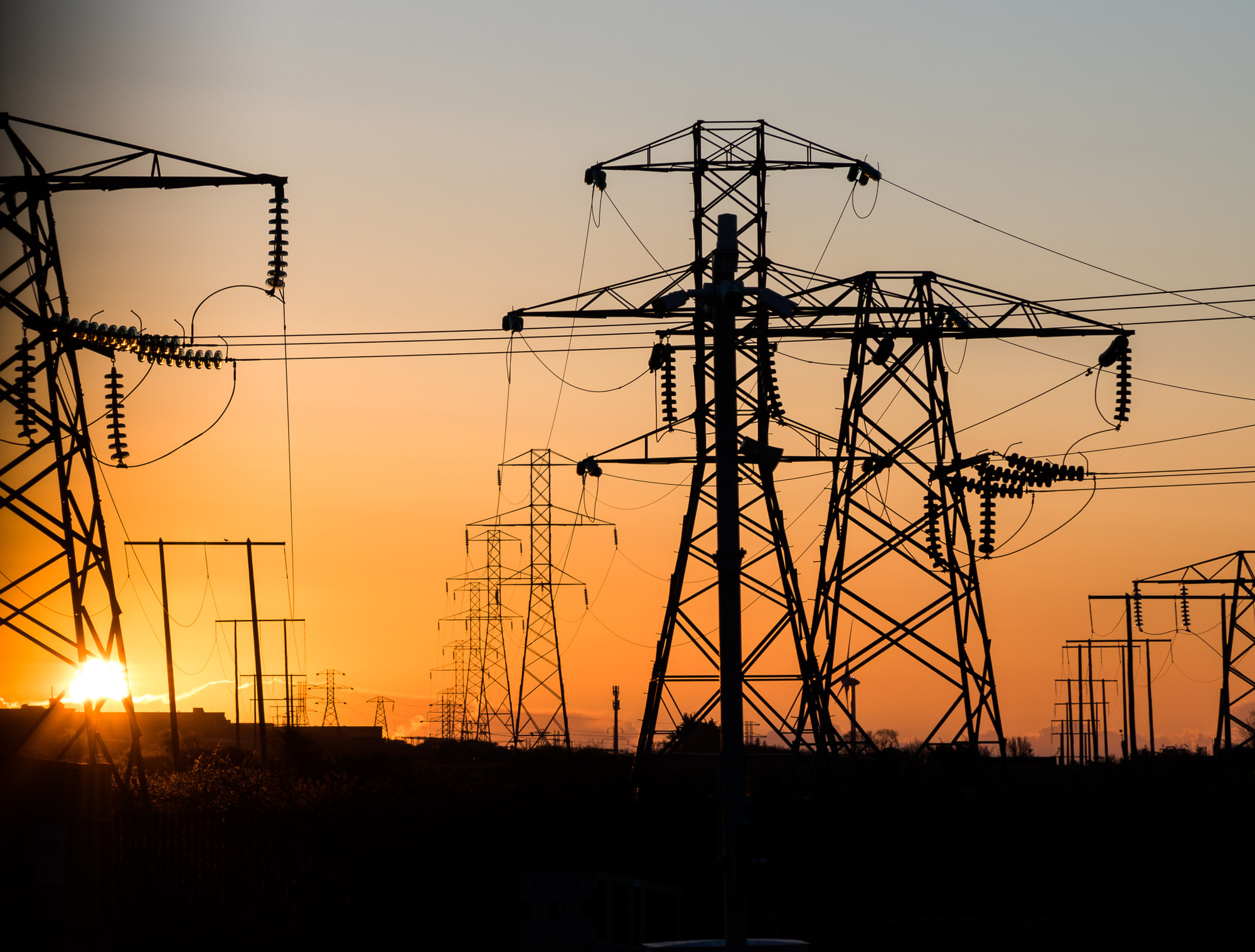
Energy firms say significant increases in customers’ bills have been driven by extraordinary and sustained increases in the wholesale price of electricity.
Extraordinary profits earned by the ESB this year cannot be used to offset higher bills experienced by homes and businesses, TDs will be told on Tuesday.
A delegation from Electric Ireland and the ESB will defend their failure to use record profits made this year to lower customer bills at a hearing of the Oireachtas Environment Committee.
The companies will say that while the ESB recorded exceptional gains in the first half of 2022 compared to 2021, these gains relate mainly to the technical accounting treatment of financial instruments, and are not cash-related items.
“The price increases we have had to announce over the past 18 months have been as a direct consequence of the unprecedented increases in international wholesale gas prices,” the company will say.
Pat Fenlon, executive director at Electric Ireland, will say the significant increases in customers’ bills have been driven by extraordinary and sustained increases in the wholesale price of electricity.
“Increases in wholesale electricity prices in Ireland have been driven primarily by unprecedented increases in wholesale gas prices in Britain and across the EU, driven by concerns over European gas supply, made much more acute as a result of the conflict in Ukraine and reduced Russian gas supply,” he will say.
His opening statement, seen by the , shows that he will say wholesale gas forward prices have increased by over 1000% over the last 18 months.
“This is an unprecedented level of increase,” Mr Fenlon will say.
“Two years ago, Electric Ireland’s annual wholesale energy costs were in the region of €300m; at current market levels we expect that cost to increase to circa €2bn.
Wholesale electricity costs previously accounted for around 30% of the total price of electricity for a typical customer, however, due to the recent higher energy costs, it now accounts for around 60% of the customer price, the committee will hear.
TDs will be told that ESB’s generation and supply businesses are required to operate separately, so increased profits from ESB’s generation business cannot be used to offset costs incurred by Electric Ireland.
“This means that Electric Ireland must operate in the residential market as an entirely stand-alone supplier, buying electricity and gas from the wholesale markets and in turn selling it to customers. This is central to understanding how Electric Ireland operates with regard to energy trading and indeed how retail prices are set for customers,” the committee will hear.
Electric Ireland will say it is very aware that these price increases are difficult for customers to absorb. “We are committed to helping our customers during these challenging times,” Mr Fenlon will add.
Electric Ireland said it engages with any residential customer who has difficulty paying their bills and works with them to put in place a manageable payment plan. Disconnections are and always will be the last resort, the company says.

CONNECT WITH US TODAY



Be the first to know the latest news and updates