Deportation orders this year double number of departures of failed asylum seekers, figures show
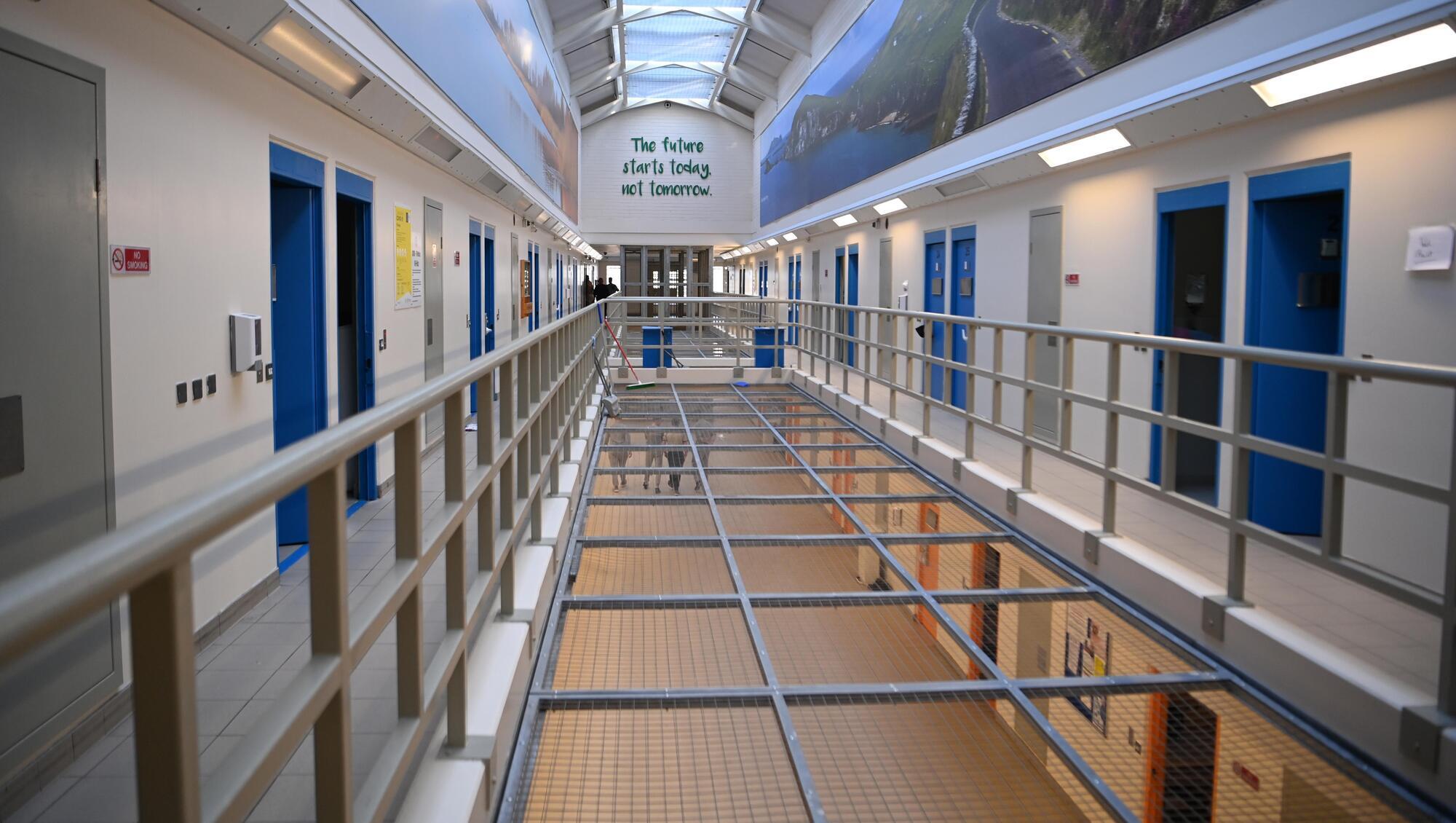
Some 267 people have been detained in prison so far this year prior to deportation. Of this group, just 28 had criminal convictions. File picture: Dan Linehan
There have been more than double the number of deportation orders signed this year than confirmed departures from the State by failed asylum seekers.
Junior immigration minister Colm Brophy has also confirmed just 28 of 267 people detained in prison before being deported from the State had criminal convictions.
The details were provided in response to a parliamentary question from Fianna Fáil’s Cork North-Central TD Pádraig O’Sullivan, who questioned where those who had been detained were held.
In response, Mr Brophy confirmed 344 people had been the subject of an “enforced deportation”.
“This year, 4,428 deportation orders have been signed up to November 28, while 1,909 people have had their departure from the State confirmed,” the Fine Gael minister said.
There have been six charter flights, which have removed 205 people from the country. This included five flights taking 182 people who were subject to deportation orders to non-EU countries, while one flight removed 23 EU citizens “on grounds of criminality”.
A person who is subject to a deportation order can be detained for up to 56 days in prison.
Some 267 people have been detained in prison so far this year prior to deportation. Of this group, just 28 had criminal convictions.
“Of the 267 people who were detained for the purposes of deportation this year up to November 28, 206 were detained in Cloverhill Prison, 24 in Mountjoy female prison, 16 in Cork Prison, 10 in Limerick Prison, seven in Castlerea Prison, three in Midlands Prison and one in Dublin Airport Garda Station,” Mr Brophy added.
On Monday, prison capacity across the State stood at 124%, with Cloverhill (121%), Mountjoy women’s prison (153%), Cork (131%), Limerick (120%), Castlerea (122%), and Midlands Prison (124%) all recording overcrowding.
Meanwhile, justice minister Jim O’Callaghan attended a meeting of European ministers in Brussels, which signed off on elements of the EU Migration Pact.
The pact comes into effect in June 2026. It will see a tightening of migration rules across the bloc.
Ministers agreed on the establishment of “return hubs” for failed asylum seekers in third countries outside of the European Union.
Such return hubs will function both as centres for onward return towards the final country of return or as the final destination, the European Council said on Monday.
Mr O’Callaghan denied Ireland had shifted to the right on immigration.
“What I've sought to do as minister is to ensure that we have a rules-based system,” he said. "If you look at Ireland in terms of our immigration policy, we've always had a very receptive policy in terms of individuals who are fleeing war and persecution.
“But it is important for public confidence that we also have a rules-based system, which means that people who are entitled to come through asylum, that they're received in if their asylum applications succeed.
“But those who don't succeed in that application, there has to be a consequence, and the consequence is that they have to leave the country.”
The EU Council also agreed to set up a “solidarity pool”, which will see member states either agree to help relocate asylum seekers or provide financial contributions.
Mr O’Callaghan confirmed Ireland would provide financial contributions. He said this was “appropriate” as Ireland is noted as being under “migratory pressure”.

CONNECT WITH US TODAY



Be the first to know the latest news and updates