What can we expect from next month's budget?
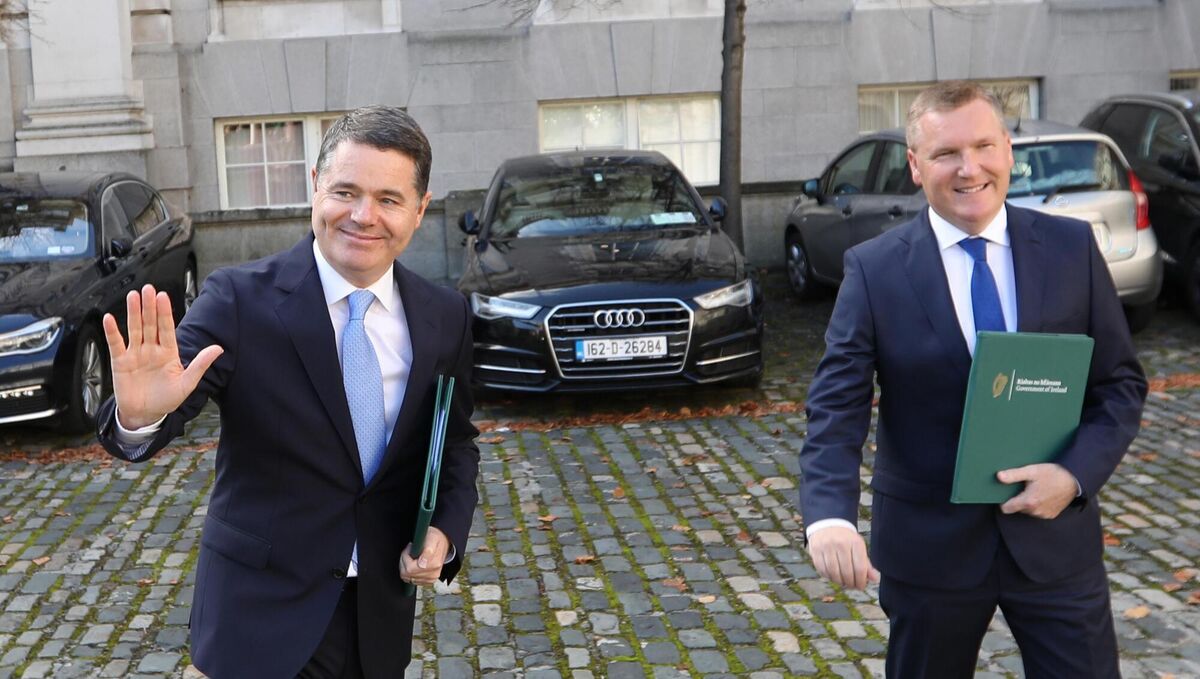
Picture: Brian Lawless/PA Wire
On Tuesday, September 27, the two money ministers – Paschal Donohoe and Michael McGrath – will take to their feet to announce Budget 2023.
We know that this will be a package of €6.7bn worth of spending increases and tax cuts. Of that €6.7bn, just over €1bn is for tax measures and almost €5.7bn for expenditure measures.
Senior Government sources have told the the scope is now there to deliver a “significant package” of targeted and universal once-off measures in addition to the normal annual budget.
While the ministers have been slow to put a figure on it, economist Austin Hughes estimates the Government will be able to spend up to €2bn on the package.
The €5bn surplus posted by the public finances in July presents an opportunity to deliver a far greater package than what was previously considered possible.
The Department of Public Expenditure and Reform said that the 6.5% increase in core expenditure for 2023 must accommodate a range of priorities and means, ensuring that spending delivers sustainable improvements in public services and infrastructure.
Mr McGrath has previously committed to €400m of spending this year to deal with the cost of living pressures, but the final scale of that package of once-off measures is likely to be up to four times that amount.
We know that the exchequer generated a surplus of €5bn in July, compared to a deficit of €5.7bn this time last year, an improvement of €10.7bn.
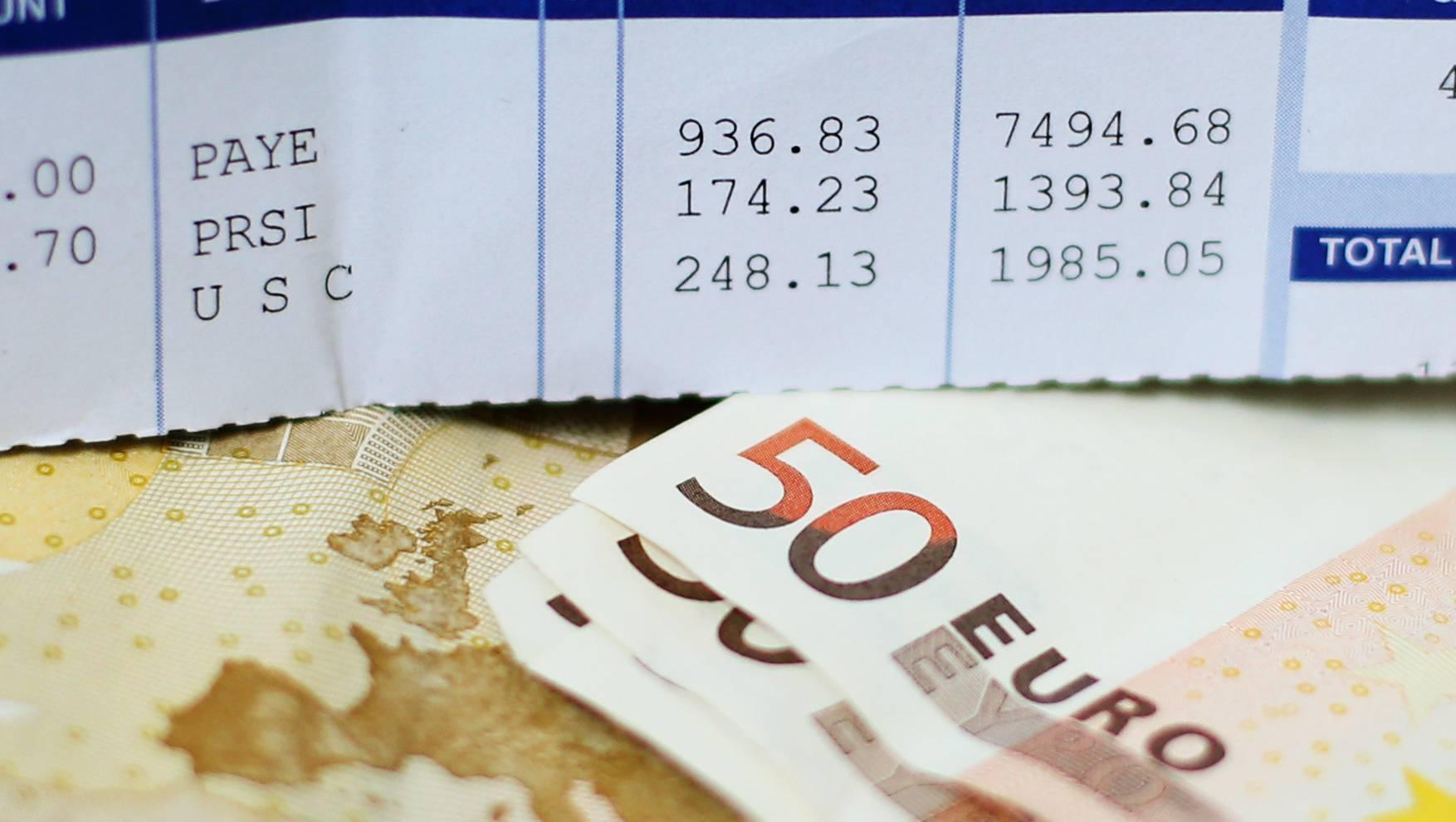
Big increases in corporate tax, Vat, and income tax drove tax revenue — for the seven months to the end of July — to €43.5bn, the latest exchequer returns show.
This was 23%, or €8.2bn higher, than the same period last year.
Record corporation tax receipts, which generated €9bn for the seven-month period, more than €3bn ahead of the same period last year, were behind the surge in tax revenues.
The figures also show that Vat generated almost €12bn, up €2.2bn on the same time in 2021.
While Government sources insisted the economy is “in rude health” the Department of Finance did sound a note of caution saying there was a “significant deceleration in growth” in sales tax receipts in July.
Tánaiste Leo Varadkar has said the package unveiled on budget day will include a “substantial” income tax package for low and middle-income earners.
"The most important thing to emphasise is that it will contain a substantial income tax package that will reduce income tax for low-income, middle-income and high-income workers - but there's a particular emphasis on middle-income workers,” he said.
This year’s welfare package will have to exceed last year’s record spending increases, sources familiar with the budget process have, for the first time, conceded.
Charities working with the elderly have already said that pension increases of €23 a week are needed to match inflation.
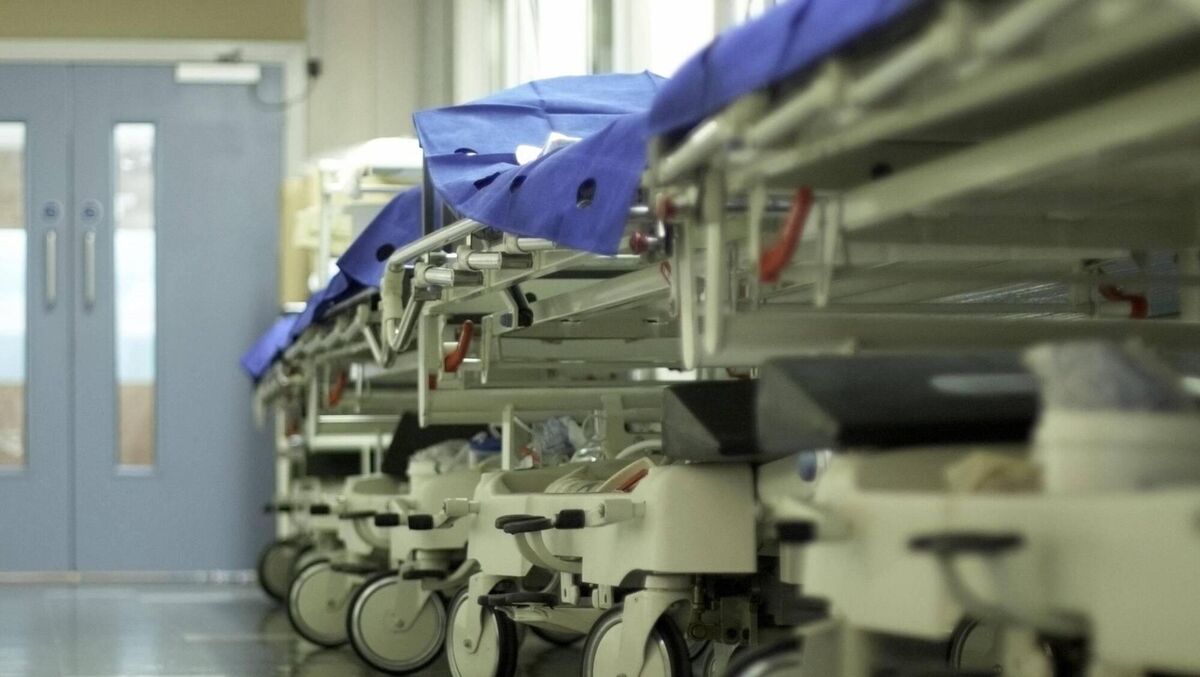
With more than 900,000 people now on hospital waiting lists, a large chunk of the health budget will have to target delivery of care as well as the recruitment and retention of staff.
However, Health Minister Stephen Donnelly has indicated that he wants to scrap hospital charges as he believes healthcare should be free at the point of entry.
A full abolition of charges would save people who do not have a medical card €80 in day inpatient charges and €100 which is generally charged for attending outpatient clinics.
Budget 2023 is also expected to include both new measures and the expansion of current schemes.
Around 80,000 children aged six and seven now have free GP care after the scheme was rolled out to this age group this year. This measure could also now be expanded to include eight and nine-year-olds.
Mr Donnelly has put significant focus on women's health and managed to secure €31m for this area in Budget 2022.
He has already confirmed that his department hopes to fund IVF fertility treatment for public patients in 2023.
Free contraception for women between the ages of 17 to 25 is to be introduced from September and it is expected that Mr Donnelly will push to have this extended to other age groups in 2023.
Housing Minister Darragh O'Brien was strongly criticised for failing to include measures to support renters in last year's budget.
It is now expected that both tenants and landlords will receive a tax relief in this September's budget.
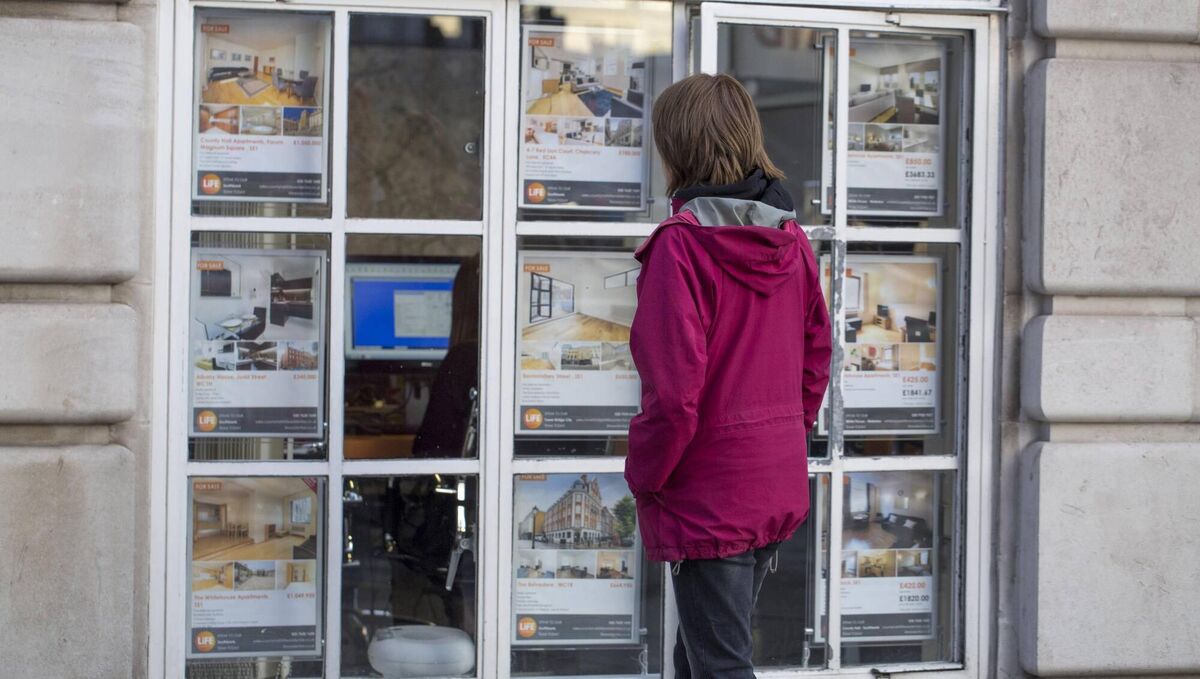
Mr Varadkar has already said measures must be taken to stop the exit of landlords from the rental sector after a recent Daft.ie report showed a record low number of available properties.
But he added that it "wouldn’t be fair to say that we’re going to give tax concessions to landlords in order to keep them renting, which would be a good thing, but then to say to renters there is nothing there for them, that wouldn’t be fair."
While a vacant site tax has been promised for some time now, this is still up in the air after the Department of Finance Tax Strategy Group advised not to introduce the levy in urban areas, deeming it “inappropriate” in an Irish setting.
The Help to Buy scheme, which has cost over four times more than the original €40m per annum estimate, is currently under review by Mr Donohoe. However, it is likely that it will be retained in some format, but could become a more targeted support.
Childcare was seen as a major priority for the Government early on in the budgetary process. Indeed, ministers were out as early as June saying that the Budget would address what has become a touchstone for the "squeezed middle".

Children's Minister Roderic O'Gorman has said that he wants to cut costs in half over the next two Budgets, so expect to see a major move on that this year. However, the big question will be how Mr O'Gorman does this.
The sector has already said that it is being hampered by a cap on fees put in place in last year's Budget, which was tied to funding towards improving pay and conditions in the sector. That fund is now seen as a "stabilising force" in the sector, which will allow any money made available this year to be given to parents.
With that in place, it is believed that the big focus will be on the national childcare scheme (NCS), which provides financial support to parents. Mr O'Gorman is set to put "real money" into the scheme, with subsidies given to parents. This could mean €100m is put towards cutting childcare costs.
A €15 weekly increase across core welfare payments, including pensions, is now being discussed as part of a wider package to help lower-income households with rising costs.
The recently published Tax Strategy Group (TSG) papers on budgetary options put forward the €15 increase, along with a number of other options, some of which focus on across-the-board increases and others of which are blended with more targeted hikes to specific payments.
All the options put forward which are now up for consideration are expensive, ranging from €1.1bn to €1.7bn.
While some organisations, including Social Justice Ireland, have called for a greater increase of €20 a week in order to help ease the pressure on families, it is largely accepted within Government that the increase will have to be significant and is likely to be more than €10 each week.
Junior Minister Joe O’Brien has been among the most vocal in the Government calling for a benchmarking of social welfare payments to the average industrial wage.
A €15 increase would see the majority of people on social welfare payments receive €223 per week, while those on the State pension would get €268 per week.
Separately, parents could be in line for a one-off double payment of child benefit before Christmas.
The move would mean parents would receive a €280 payment if they have one child or €560 if they have two.
From Budget 2022 onwards, in the event that incomes are again rising as the economy recovers, Paschal Donohoe committed to indexing and linking credits to earnings.
This will be done to prevent an increase in the real burden of income tax, to prevent more low-income workers being taken into the tax net because of no changes to the tax system and to ensure there is no increase in the number of people having to pay higher income tax and USC rates.
Amid all the talk this year about a possible middle 30% rate of tax, as proposed by Tánaiste Leo Varadkar, Mr Donohoe and his officials have had to walk a tight rope. On one hand, they could not ignore the need to continue to reform the tax code to stop thousands of extra workers from falling into the higher rate. On the other, Donohoe’s officials clearly are cool to the idea of the 30% rate idea and the proposal appears to be running into the sand.
Another round of indexing appears to be the preferred option as of now and with more than a €1bn for tax cuts at his disposal, Mr Donohoe can afford to be a bit creative in his tax plans this year in his final budget as finance minister.
September's Budget will be unique as it will see a standalone announcement of a cost-of-living package.
This will see around €1bn, potentially more, deployed to tackle the rising cost of living. Measures on the table include a double payment of Child Benefit, a repeat of the €200 energy credit and a continuation of cuts to excise duties on fuel. They also include an additional weeks allowance for the Fuel Allowance, or an extension of the €35-a-month Household Benefits Package.
Mr McGrath told the that it was "important that the one-off measures are substantial and can be rolled out quickly".
However, he said that the "exact quantum" of the financial firepower to be used was not yet decided.
"It will be a combination of measures," Mr McGrath said, saying there will be some broad measures for those who are above earnings thresholds.
Another move expected to go along with this package is an extension to lowered public transport fees and a potential expansion of the zones around the Dublin area, which would cut costs for commuters.
Read More

CONNECT WITH US TODAY



Be the first to know the latest news and updates