Home heating and car fuel bills to increase under new budget plans
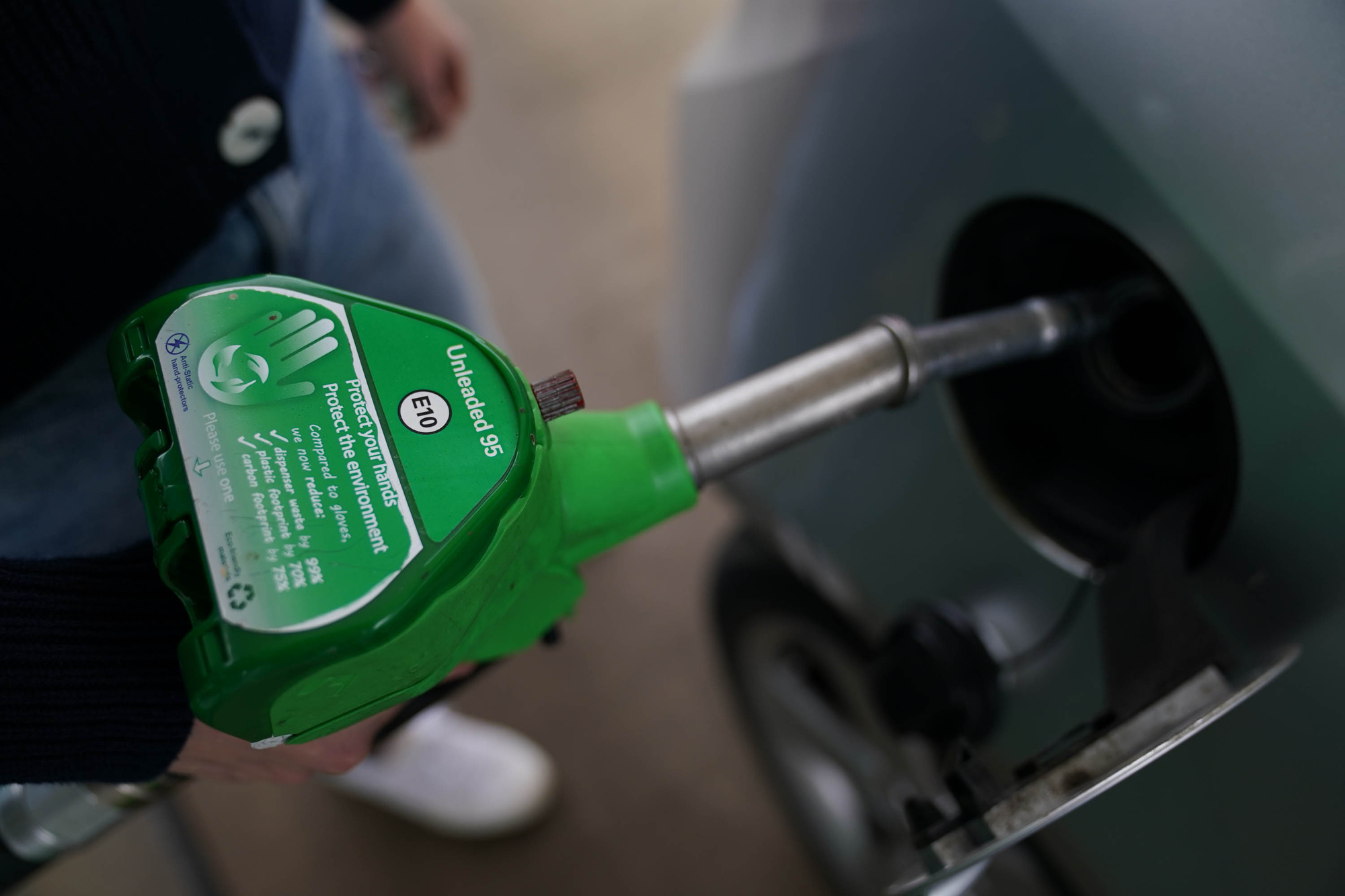
Filling a car with petrol or diesel could be more expensive under new budget proposals. File picture: Joe Giddens/PA Wire
The cost of fuelling your car and heating your home is set to increase under new proposals from the Department of Finance.
The papers also propose higher stamp duty for larger homes.
Raising income tax, PRSI and USC income bands by 1% in the upcoming budget would cost €183m, according to calculations in the Tax Strategy Group papers published by the Department of Finance on Thursday.
The papers also suggest including a per-day working-from-home allowance, which would remove the current system of benefits which requires people to track utility bills and claim money back afterwards.
However, the reports state there are also equity concerns from the perspective of the personal income tax system, as well as broader policy questions around the potential for shifting the traditional costs of employment from the employer to the State.
The cost of filling up a full tank of diesel is likely to go up by almost €1.50 while the cost of petrol will rise by €1.28 for a full tank from October 13.
The Government has committed to increasing carbon tax each year to 2030.
Filling a 900-litre tank with home-heating oil looks likely to be €19.40 more expensive from May, under the paper’s proposals. And the average yearly household usage of natural gas is expected to cost aboput €16.95 more due to the carbon tax hike next May.
A 12.5kg bale of peat briquettes would cost 20c more from May.
There is no carbon tax imposed on electricity, with bills instead having a PSO (public service levy) to support renewables added to them.
The figures provided on the rise in the cost of the various fuels include VAT.
The carbon tax rate currently stands at €33.50 per tonne but is expected to increase to €41 per tonne on budget day.
This is because the Government has committed to increasing the tax to €100 per tonne by 2030.
It is planned to have €7.50 hikes each year to 2029 and €6.50 in 2030.
Money raised from the rise in carbon tax is to be ring-fenced for social welfare and other measures aimed at preventing fuel poverty and ensuring a “just transition” away from fossil fuels.
The papers also state the Government should consider charging a higher rate of stamp duty to overseas buyers and cut the floor where the current higher rate of 2pc applies to homes over €750,000.
Ministers should also consider applying the higher rate of 2% that currently applies to homes sold for over €1m to the full value of the property, the papers suggest.
Targeting overseas buyers with a stamp duty surcharge would raise relatively little but could help free up homes for domestic buyers. A tax surcharge might also put off investors in rental properties or even skilled workers considering a move here, they said.
The move to hit all homes sold for over €750,000 with the higher 2pc rates would raise money for the State without affecting the buyers of average or typically priced homes, they said. The tax change could help cool house price increases.
Another option contained in the report suggests applying the higher tax rate of 2pc on the full value of homes sold for over €1m would raise cash for government and also create a strong incentive for the buyer not to pay over the cut off level with potentially positive effects in calming house price inflation through the entire market.