MTU researchers and Defence Forces nullify simulated cyberattack on Irish port in exercise
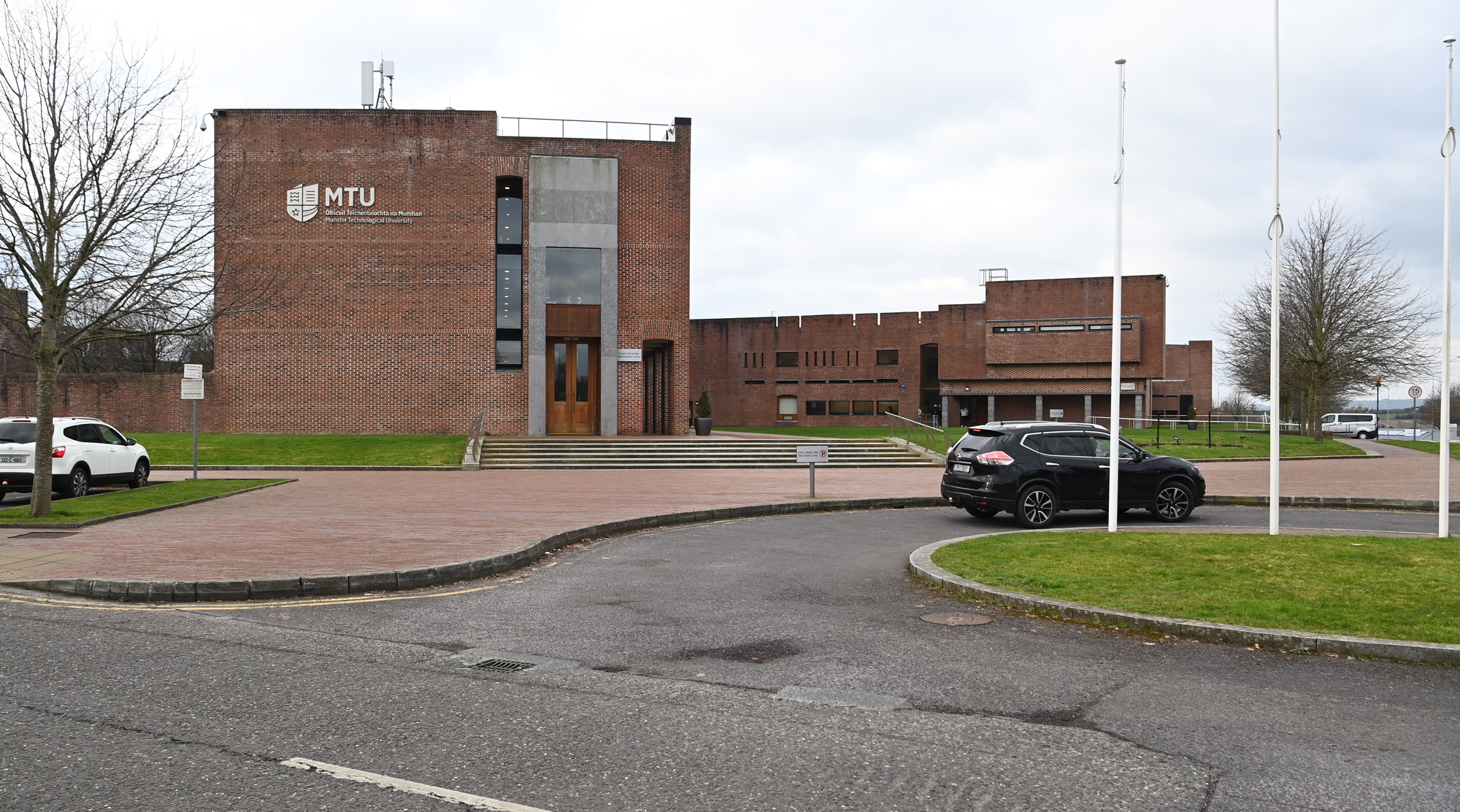
The teams worked from a control room in MTU’s Nimbus Research Centre in Cork, using an IT sandbox where the threat can be launched, and neutralised, safely while replicating real-world infrastructure and environments. File picture: Dan Linehan
A simulated cyberattack on an Irish port was neutralised by focused teams of Defence Forces Personnel, IT academics and hotshot student white hat hackers in an exercise at Munster Technological University (MTU).
The teams worked from a control room in MTU’s Nimbus Research Centre in Cork, using an IT sandbox where the threat can be launched, and neutralised, safely while replicating real-world infrastructure and environments.
MTU brought together participants from the Irish Naval Service, the Irish Defence Forces, and MTU researchers and students for the Cybersecurity Smart Maritime Challenge 2026.
The simulation exercise, which mirrored a real-world cyberattack on a maritime port and ship, was designed by Airbus in collaboration with MTU.
A port, like the Port of Cork, is attacked and disabled in the cyberattack simulation, and a ship is also attacked, so that the crew lose all control over its operation and it is blocking access to the port.
Read More
The teams, a mix of naval and army personnel, cybersecurity experts and students, have to disable the attack, regain control of the ship and use open source intelligence tools to identify the perpetrator and support Europol in apprehending the hacker group’s leader.
Hybrid warfare has become an increasingly effective tool to wreak havoc around the world, with cyberattacks now capable of quickly paralysing critical infrastructure and with disinformation campaigns that can destabilise democracies.
The advent of AI is now increasing the speed and scale of cyberattacks, although it has not yet changed the type of attacks that are taking place, George O’Mahony, vice dean of Research and Innovation in the faculty Science and Informatics and Head of the Department of Computer Science at MTU, said.
“Preparing for cybersecurity incidents before they happen is critical to protecting Ireland’s maritime infrastructure,” Dr O’Mahony said.
“Through realistic simulations like the Cybersecurity Smart Maritime Challenge, running on a state-of-the-art cyber range platform, participants can experience the complexity of responding to a major cyberattack, develop their technical and problem-solving skills, and learn how to make decisions under pressure.
“By working alongside experts from the Irish Naval Service and maritime experts, our students and researchers gain invaluable insights into the challenges facing the maritime sector.
"This type of hands-on training and collaboration is essential to building the pipeline of skilled cybersecurity professionals Ireland needs to respond to emerging threats.”
Brian Smith of the Naval Service Communications Information Service (CIS), based in Haulbowline in Cork, said the threat landscape is changing, with an increase in cyberattacks.
“There is not a day that goes by when State actors or non-State actors aren't targeting countries [in cyberattacks]. Ireland needs to be prepared for that. And the public and private sector have a role to play.”
Events like these teach people how to detect and neutralise such threats and how to plan to prevent them, he said.
“What’s evidenced from observing the exercise today is that no individual with a single skill set can resolve the challenge. It shows that bringing people together from different industries is required in an event like this.”
Students from Cyber Innovate, a postgraduate programme designed to equip professionals with the expertise needed to identify significant unsolved cybersecurity problems, and establish and lead new cybersecurity start-ups, took part in the operation.
Speaking at the event, Ronan Coleman, director of Cyber Innovate said: “Since Ireland took up the presidency of the European Council in July this year, maritime security and defence have been a significant national focus. Now more than ever, simulations like the Cybersecurity Smart Maritime Challenge are vital in ensuring that we are prepared for the threats we may face.”


CONNECT WITH US TODAY



Be the first to know the latest news and updates