Cork could net €18.5m annually from €5-a-night tourist levy, study finds
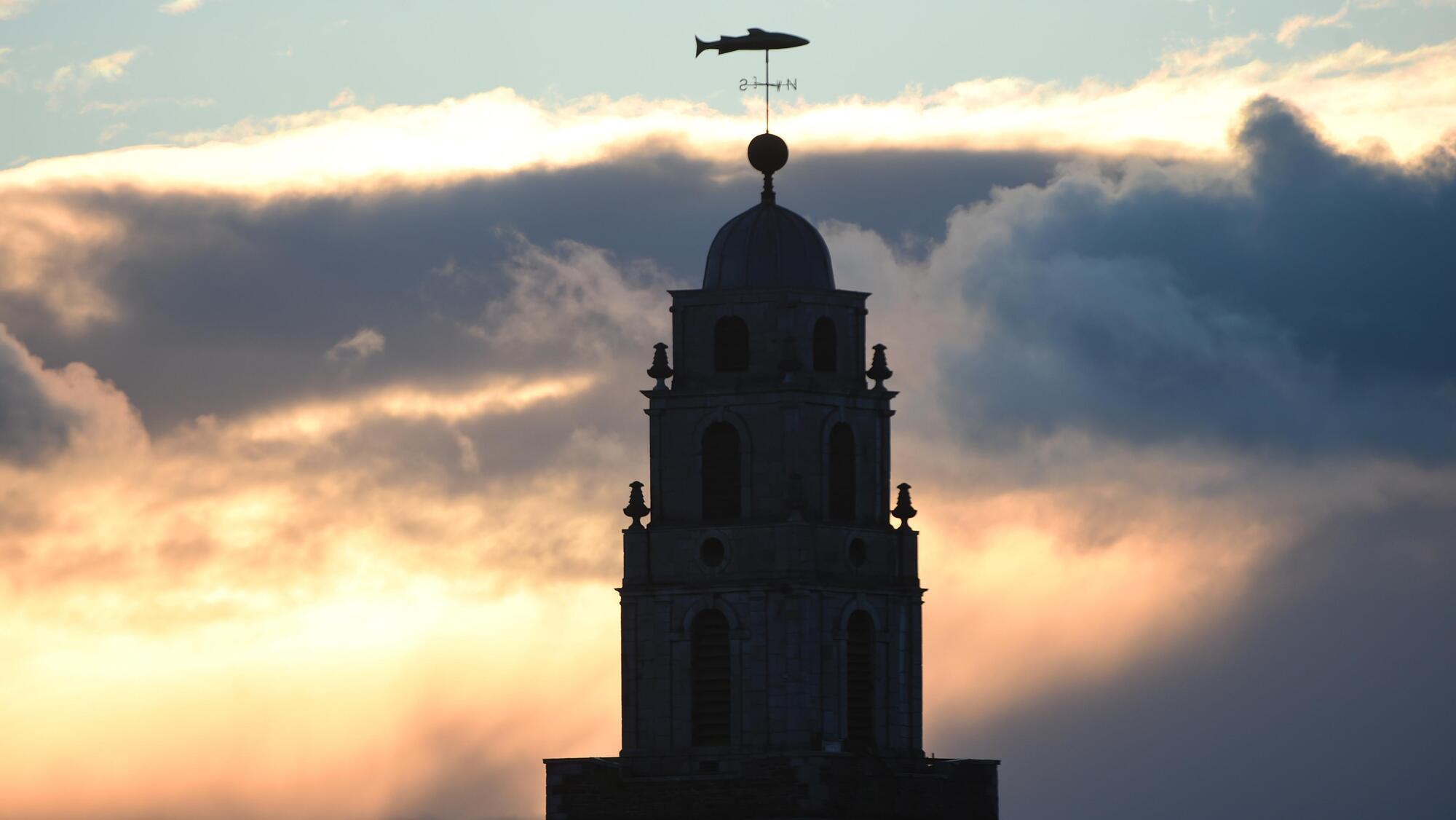
The analysis was based on Fáilte Ireland figures showing 225,098 registered bed spaces nationwide as of January. The estimate does not include bed and breakfasts, short-term lets, or on-campus student accommodation. File picture: Larry Cummins
A €5-a-night tourist tax could raise almost €18.5m a year for Cork City and County Councils, according to new research from the University of Galway.
The study found that a fixed tax of €5 per person per night could generate almost €220m annually for local authorities nationwide, while a €1 charge would raise about €44m.
Based on Fáilte Ireland accommodation data, Cork could generate an estimated €18.5m a year, compared with €20.8m in Kerry, €8.2m in Galway, and €5.7m in Waterford.
Dublin City Council would be the largest beneficiary, with potential revenues of almost €46m annually.
The analysis was based on Fáilte Ireland figures showing 225,098 registered bed spaces nationwide as of January. The estimate does not include bed and breakfasts, short-term lets, or on-campus student accommodation.
Gerard Turley, a lecturer in economics at the University of Galway, said the €220m estimate could be higher because the total number of bed spaces is not known.
“The caveat, of course, is that it is based on a tax rate — whichever rate you decide, €1 or €2 — occupancy rates and the number of bed spaces in Ireland, which is not an easy number to get,” he told the .
“So it could be an underestimate of how much revenue you could bring in. That said, it could also be an overestimate because we did not apply any exemptions, discounts or caps that might reduce the base,” Mr Turley added.
The study noted that, unlike its EU counterparts and the UK, Ireland does not impose a visitor levy or tourist tax. Both the 2024 Dublin City Taskforce and the 2026 Local Democracy Taskforce have recommended levies on overnight stays.
It said the levy would support two objectives in the programme for government: Broadening the tax base and strengthening local democracy.
Mr Turley warned that a tourist tax could increase accommodation prices and reduce demand.
“The international evidence is that if there is loads of confrontation with the accommodation providers, and if you set a modest rate, it shouldn’t, at least in the long term, reduce visitor demand," he said.
“But lots of work has to be done in advance to make sure that there’s an impact assessment study and that price sensitivities are calculated so that you don’t scare off either domestic or international tourists,” he said.
Mr Turley added that international tourists were probably used to being charged for overnight stays and would not arrive in the country thinking the fee was excessive.
The lecturer said it could take three to four years to introduce a tourist tax through legislation, with local authorities able to decide whether to opt in.
“The most recent example is Scotland, where legislation was passed in 2025, and Edinburgh became the first council to introduce a levy in July this year. The city has been working on a levy since 2018, but it was delayed by covid,” said Mr Turley.

CONNECT WITH US TODAY



Be the first to know the latest news and updates