The cases are still coming — but West Cork solicitors say they cannot finish them
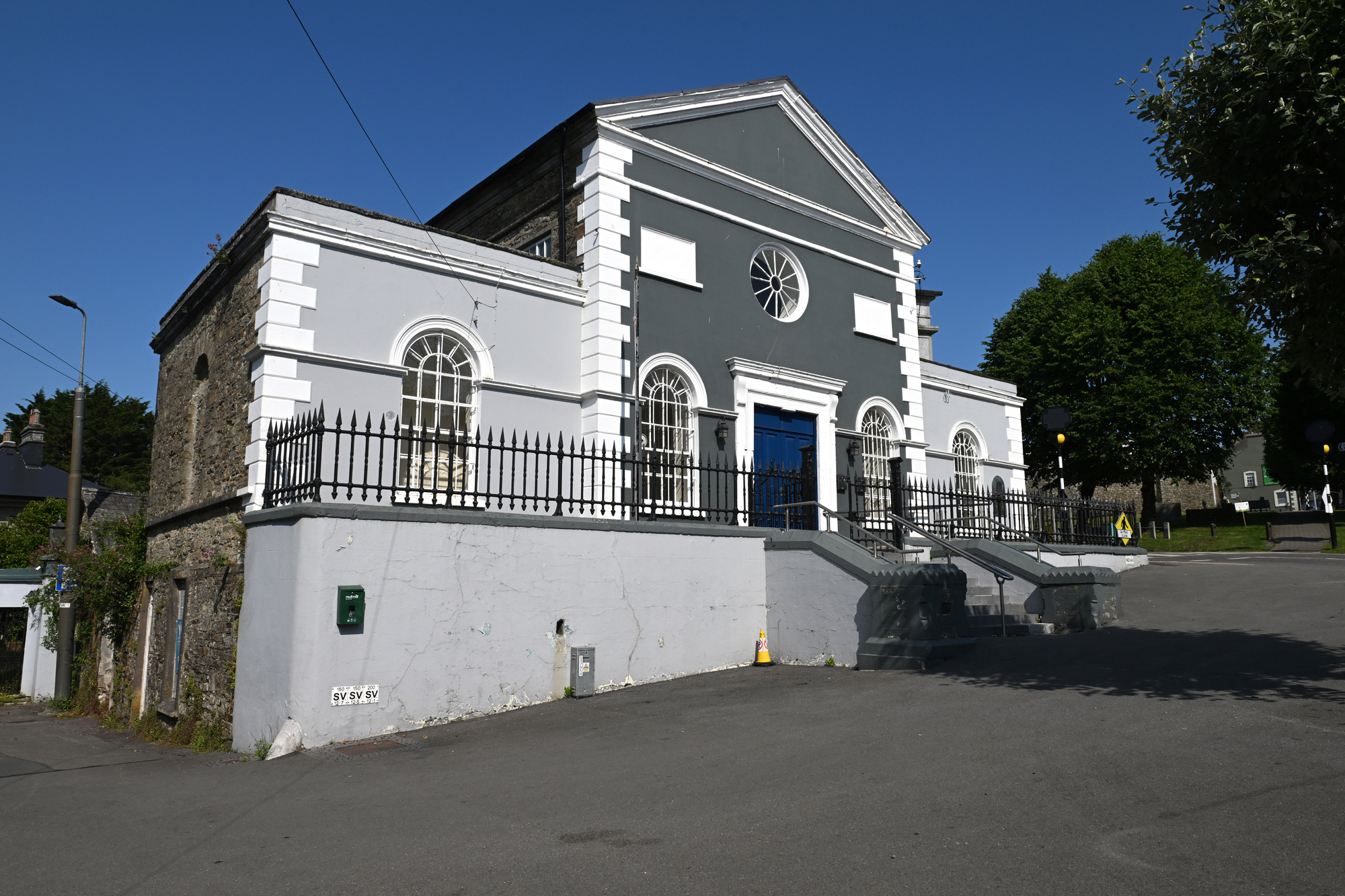
Cases are still being called in District 18, which covers courts in Bandon (pictured), Bantry, Clonakilty, Macroom and Skibbereen. File picture: Dan Linehan
Myra Dinneen is still going to court. So are the solicitors who do much of the criminal legal aid work in West Cork, but few cases are being finalised.
“The longer it goes on, the more the system is going to be backed up,” says Ms Dinneen, president of the West Cork Bar Association and a solicitor in Bandon.
Cases are still being called in District 18, which covers Bandon, Bantry, Clonakilty, Macroom, and Skibbereen. Solicitors have continued to attend out of respect for the court, but many criminal matters requiring legal aid representation cannot proceed while the dispute over the new payment scheme remains unresolved.
For Ms Dinneen, the worry is not just about the work lost now. It is what will be waiting when the dispute ends.
Read More
“What is building up inside every solicitor’s practice who does a volume of district court work is that none of our work can conclude,” she says.
“Then we’re facing a volume of work that has to be concluded on top of the new work that’s going to come in when the strike eventually is over.”
It is already happening, according to Colette McCarthy, a Skibbereen solicitor.
“I have a lot of cases backed up now in the court,” she says. “What the minister has in place in terms of the new scheme just isn’t really feasible.”
The dispute began when the Criminal Legal Aid Scheme changed on July 1, replacing the previous per-appearance payments with a flat fee system. The Law Society has said reform was overdue, which solicitors in West Cork do not dispute.
Solicitors now receive a flat rate of €520 per case, regardless of the number of district court appearances. Under the previous model, solicitors received about €240 for a first appearance and €60 for each subsequent appearance.
Their objection is to two parts of the scheme which, they say, fail to account for the way cases actually arrive and progress in the district court.
The first is the treatment of separate charges listed against one person on the same day.
A defendant might be facing a drugs charge from one incident, an assault allegation from another, a driving matter, and a public order charge. They may have nothing to do with one another. Yet if they come before the court together, the new system treats them as one matter for legal aid payment.
“That’s the crux of the matter here,” Colette McCarthy says.
The solicitor must still open separate files. They must take instructions on each allegation, consider separate disclosure and prepare for different Garda witnesses and legal issues. One certificate does not mean one piece of work.
“Everybody else is being paid,” Ms McCarthy says of a court sitting.
“The judge is being paid, the sergeants, the court presenter, all the guards, the reporters, probation services are being paid. Everybody else has been paid, but the solicitor is expected not to be paid.”
Ms Dinneen gives the example of someone charged with several unrelated offences over the course of a day.
If the charges come before the court together, she says, the solicitor may be paid for one even though each requires separate preparation.
The second issue concerns cases which return to court repeatedly, often through no fault of the solicitor or defendant. A case can be adjourned several times while a book of evidence or disclosure is awaited.
Others involve reviews concerning children, people with mental health difficulties or people in custody.
Ms Dinneen says a solicitor may find themselves attending court 16 or 17 times, yet remain entitled to one flat fee.
“We never look for an adjournment,” she says. “If we have to go there 10 times, we only get paid the one fee.”
Ms McCarthy says the system’s problems can be seen in individual cases, not merely in payment figures or submissions to Government.
She recently dealt with a man in custody who appeared by video link nine times. He had made clear that he wanted to plead guilty, she says, but the case could not be concluded while procedural directions were dealt with and disclosure eventually arrived.
“It’s been in court nine times,” she says.
Summons cases can be particularly frustrating. An alleged offence may have happened months before it reaches court. A solicitor then seeks disclosure, which is not available at the first hearing, and the case is put back again.
In some cases, Ms McCarthy suggests, it could be dealt with quickly if the relevant material was ready from the outset. “If we had the disclosure, then 15 or 20 minutes with the client, you’d have instructions and could deal with it,” she says.
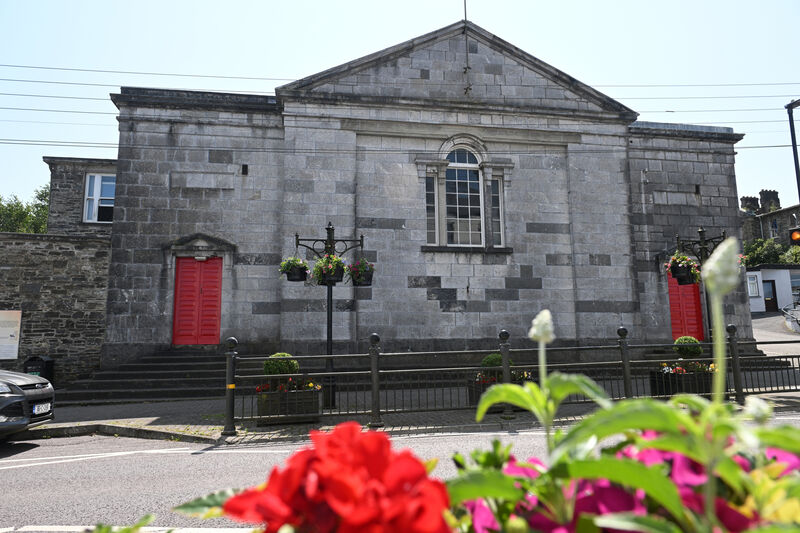
The problem has an extra dimension in a rural court district. District 18 covers five towns and criminal sittings take place throughout the month. Bandon, Bantry, Clonakilty, Macroom, and Skibbereen all have their own court days.
An adjournment may mean another trip for a defendant, witnesses, gardaí, solicitors, and court staff. For a person waiting for a case to be resolved, it can mean another few weeks of uncertainty.
West Cork solicitors say they do not want the withdrawal of services to continue. Ms Dinneen says the remaining issues are now quite clear: Separate, unconnected offences should be recognised as separate work, while there should be a workable arrangement for cases which require an exceptional number of appearances.
She says a limit on certificates could be agreed. But the present arrangement, in her view, goes too far.
Ms McCarthy says multiple certificates were not routinely granted in West Cork before the new scheme. They were generally sought only where there had been an exceptional amount of work, perhaps because a vulnerable person needed continued monitoring and the case had come back before the court again and again.
Over 25 years in practice, she says, there may have been only 10 or 15 cases where she received a second legal aid certificate in respect of one set of offences.
The dispute has now become a national issue. The Law Society told the Oireachtas justice committee that the number of criminal legal aid certificates granted fell by 93% in July, from 10,277 in July 2025 to 702 in July 2026. It said the August figure was also sharply lower than the previous year.
The society has called for independent mediation. It says the unresolved matters are the treatment of separate cases as one, and the absence of a practical system for long-running cases involving high numbers of appearances.
It has warned that disruption, which has been centred on the district court so far, could extend to higher courts when the new legal term begins in October.
In West Cork, the immediate concern is simpler. The work is not going away.
“We do want it to conclude,” says Ms Dinneen, “but the longer it goes on, the more the system is going to be backed up.”
CONNECT WITH US TODAY



Be the first to know the latest news and updates