Amalgamation of local garda areas in Cork City to be reversed
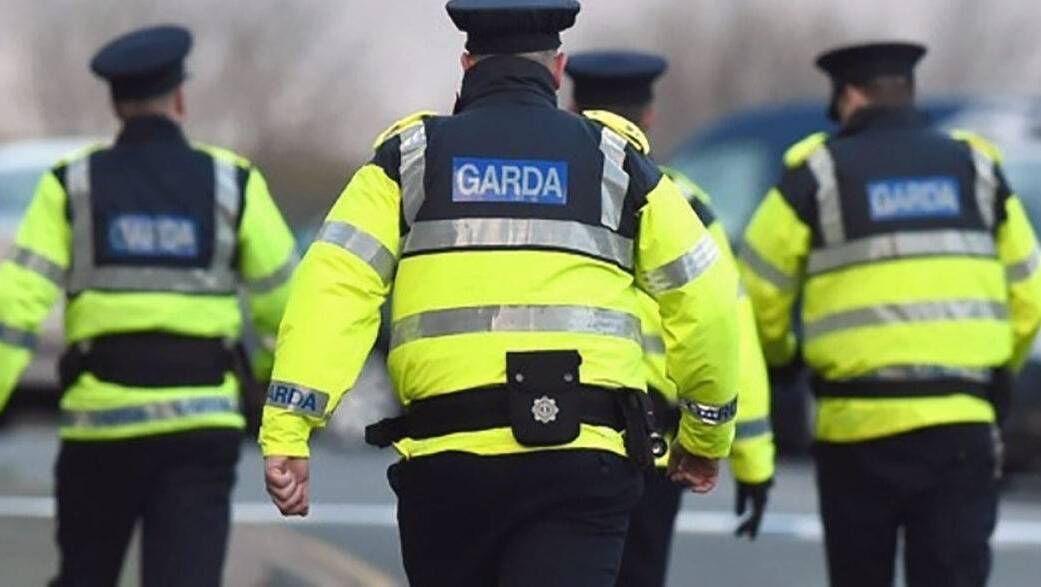
The policy which merged Douglas and Carrigaline areas, and separately Bishopstown and Ballincollig, is to be unwound by the end of this month. Stock picture
The amalgamation of local garda areas in Cork City, introduced controversially last year, is to be unwound by the end of this month.
Where previously garda units had worked separately across four areas of the greater Cork metropolitan area, under the amalgamation, units were merged into two large sections.
Now, that policy is being reversed, and from October units will again be assigned to individual areas.
However, the Garda Representative Association (GRA) has warned that resourcing remains a critical issue, saying the city needs an additional 75 gardaí.

Under the amalgamation, gardaí worked across neighbouring areas which had, until then, their own dedicated officers.
The policy merged the Douglas and Carrigaline areas, and separately Bishopstown and Ballincollig.
Those areas are run from the Cork City south community engagement headquarters in Togher.
In June, in his first interview since taking over as head of policing in the Cork City garda division, Chief Superintendent Colm Noonan said he intended to undo the amalgamation.
Read More
Chief Supt Noonan said he had discussed the matter with Superintendent Gary McPollin, who has responsibility for community engagement in the Cork City South garda area.
“I’ve asked him to put a focus back on getting visible gardaí back into places like Carrigaline, Douglas, Crosshaven, because people deserve to be able to call to garda stations when they’re open, be able to see gardaí, to be able to have gardaí in their communities that know their communities,” he said.
Pádraig Harrington, Cork City delegate with the Garda Representative Association (GRA), which represents rank-and-file gardaí, said that while de-amalgamation was welcome, resourcing remained a serious issue.
“The decision to reverse the amalgamation of units will not solve the problems that have been created by the lack of resources in the south side of Cork City,” he said.
“The only way to have stations open, guards on the beat, and guards patrolling is to adequately resource an area.

“While the move is well-intentioned by Supt McPollin, his hands are tied by the lack of resources available to him. The old saying ‘you can’t make a silk purse out of a sow’s ear’ comes to mind.
“Cork City is still short about 75 gardaí to across all areas to properly police the city.”
The Garda Press Office was asked for comment.

CONNECT WITH US TODAY



Be the first to know the latest news and updates