CUH consultants warn of risks to children's services amid delays and staffing shortages
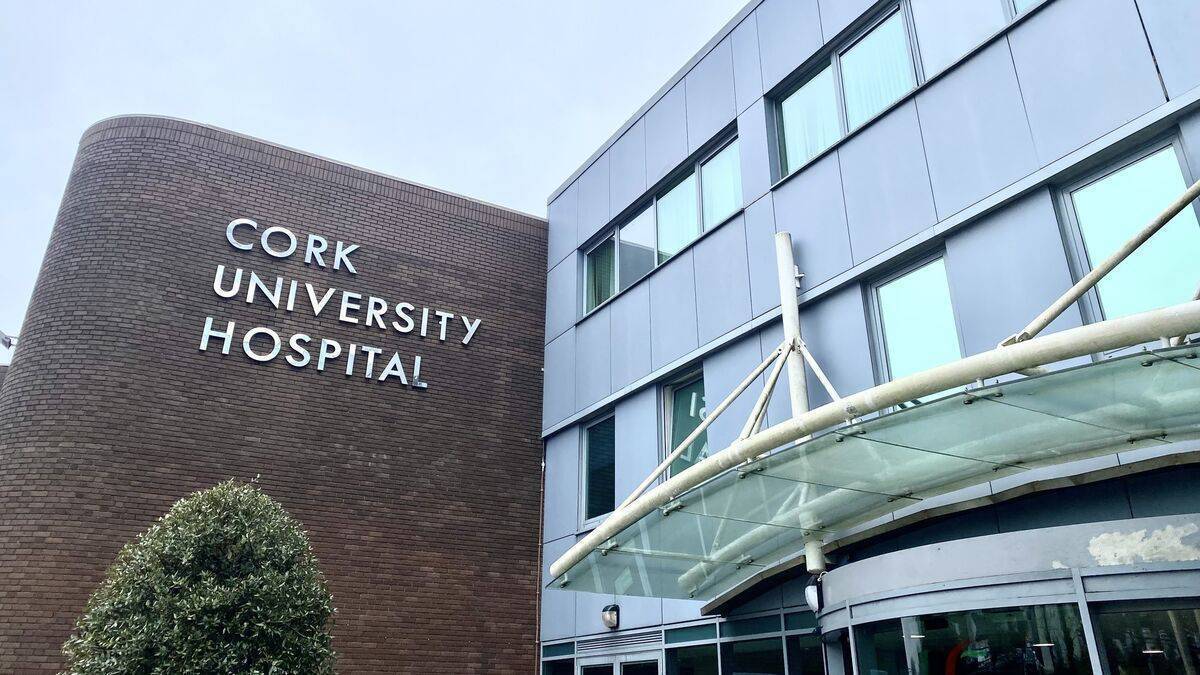
The letter shows internal Cork University Hospital frustrations that requests first made in January 2025 to build interim infrastructure were only approved in March this year.
Delays in building new units for children’s care in Cork, when “immediate action” is needed to reduce potential risks, are among issues raised by eight senior consultants in a stark letter to the head of the HSE.
A four-year wait for children's MRIs under general anaesthetic is one example shared by eight Cork University Hospital (CUH) clinical directors.
Fallout from a decision last year to stop hiring external firms to insource treatment for patients is also raised.
The doctors said extra staff were not hired to fill that gap.
Read More
They also called for revised staffing plans for an outpatient unit set to open in Curraheen, saying that of expensive medical equipment, “without the staff to operate it, neither machine can be used”.
The letter was also sent to senior officials in HSE South West, the new managerial structure over Cork and Kerry with the authority for funding CUH.
The hospital has planning permission since 2022 for a new paediatric unit but work is only to begin early next year, according to HSE South West.
The letter shows internal hospital frustrations that requests first made in January 2025 to build interim infrastructure were only approved in March this year.
The consultants wrote that in July, regional management was warned “immediate action was required to mitigate the risk of preventable paediatric deaths”.
Work is now progressing on interim units, it is understood.
Much of the letter focuses on what the consultants call “a sustained pattern of decisions” at the regional management level.
It says this has “prevented the hospital from implementing solutions its management has already identified, costed, and formally submitted”.
This region is now under tight budgetary constraints as part of a national effort to cut HSE costs, especially on staff and agency staff.
A budget deficit of €37.7m was identified in this region by March.
The letter calls however for additional staff, including specialist cancer nurses, to replace the use of insourcing.
Public and political shock at spiralling multi-million euro costs last summer led to HSE plans to phase out this approved process everywhere.
This letter was sent in late April, and it is understood that meetings between the doctors and regional management have not fully resolved frustrations.
A spokeswoman for HSE South West said: “Clear, robust management and governance structures are in place in HSE South West. All HSE South West staff and management prioritise patient safety, at all times.”
A spokeswoman for HSE chief executive Anne O’Connor acknowledged receipt of the letter.

CONNECT WITH US TODAY



Be the first to know the latest news and updates