Cork City is now Ireland's second-most expensive place to study
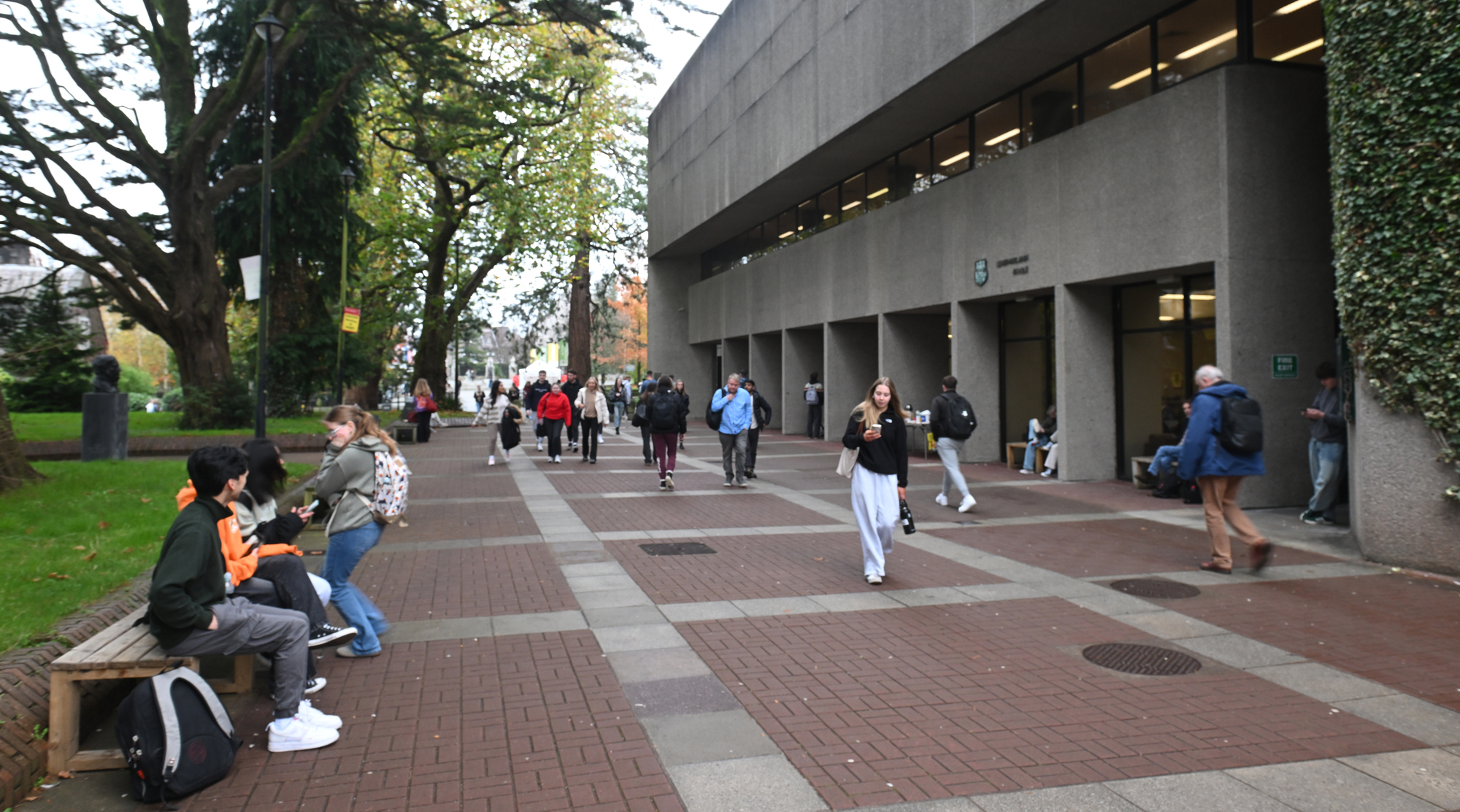
In Cork, international students could pay more than €33,000 a year if fees are €18,886. The total could rise further for non-EU students paying higher course fees. File picture: Dan Linehan
Cork City is now the second-most expensive place in Ireland to live as a university student, with the average annual cost rising to more than €17,500, according to new estimates.
Compared with last year, this represents a €634 increase in the cost of living for students, and a €1,533 jump from 2023.
This year’s Student Cost of Living Index from Switcher.ie shows Dublin remains the most expensive city for college, with students spending almost €20,000 a year. Cork takes second place, with students spending an average of €1,667 a month on groceries, rent, utilities and entertainment.
The €17,503 figure includes the €2,500 student contribution fee. For the nine-month academic year, Switcher.ie estimates students in Cork will spend €725 a month on accommodation, €95 on electricity, gas and internet bills, €270 on groceries, €146 on transport, €383 on going out and entertainment, and €48 on the gym.
Switcher.ie said 2023 expenses were used to show how costs have changed over a typical four-year degree, as many students who began college that year would now be entering their final year.
In Dublin, students are expected to spend €1,943 a month on rent (€989), utilities (€95), groceries (€248), transport (€146), going out and entertainment (€409), and the gym (€58), bringing annual costs to €19,990.
This is a 2% increase on last year and €1,420 more than in 2023.
Maynooth follows in third place, with students expected to spend more than €17,100 over the academic year.
At the lower end of the index, Letterkenny in Donegal is the cheapest student town, with students spending around €1,285 a month. It is followed by Sligo and Dundalk. However, students in these towns are still paying more than €14,000 per academic year.
International students could spend an average of €28,515 a year, according to Switcher.ie. That is €644 more than in 2025 and €2,878 more than in 2023.
Fees are around €20,129 a year for non-EU students attending universities, while those attending technological institutions could pay around €11,741 a year.
In Cork, international students could pay more than €33,000 a year if fees are €18,886. The total could rise further for non-EU students paying higher course fees.
For example, people studying dentistry would pay €55,214 in tuition fees, bringing the total cost for one academic year to more than €70,000.
Switcher.ie commercial director Eoin Clarke said rent and everyday expenses have added almost €500 to the average cost of college since last year.
“Even in towns traditionally viewed as affordable, higher bills are making it harder for students and families to stretch their budgets,” he said.
“Accommodation continues to take one of the biggest bites out of student budgets. Some of the highest rent increases were recorded in Tralee, Cork, Dundalk and Sligo, where rising private student accommodation prices pushed up the average student accommodation cost in each town.
“The location of study now has an even bigger impact on student pockets, with a gap of almost €6,000 over the academic year between Dublin and Letterkenny,” Mr Clarke added.
He added that while lower accommodation costs give students in Donegal and Sligo a “valuable head start”, those studying in Dublin “face much greater pressure before books, course materials or unexpected expenses are considered”.
CONNECT WITH US TODAY



Be the first to know the latest news and updates